
Getting a customer to visit your marketplace is great. Getting them to come back again and again is where the magic happens. Retention is not about tricks. It is about making people feel, “Yes, this place gets me.”
TLDR: Customer retention in marketplaces grows when buyers and sellers both feel safe, valued, and excited to return. Make the first experience smooth, build trust, reward repeat actions, and keep communication useful. A marketplace that feels easy, fair, and alive becomes a habit.
Why retention matters so much
A marketplace has two sides. Buyers come to find something. Sellers come to make money. If either side leaves, the party gets quiet fast.
Retention helps your marketplace grow without always spending more on ads. It also creates better data, stronger trust, and more word of mouth. Happy customers bring friends. Happy sellers bring better products. Everyone wins.
Think of your marketplace like a favorite local market. People return because they know the stalls, trust the quality, and enjoy the vibe. Your digital marketplace needs the same feeling.
1. Make the first visit feel effortless
The first visit is a handshake. Do not make it weird.
If users feel confused, they leave. If checkout is messy, they leave. If seller signup feels like homework, they leave. Simple beats fancy almost every time.
Improve the first experience with:
- Clear search that gives useful results.
- Good filters like price, location, rating, category, or delivery time.
- Fast loading pages because patience is rare.
- Simple checkout with fewer steps.
- Easy seller onboarding with helpful prompts.
Do not hide the important stuff. Show prices, fees, delivery times, return rules, and seller details clearly. Surprises are fun at birthdays. They are not fun at checkout.
2. Build trust like your marketplace depends on it
Because it does.
Trust is the glue in a marketplace. Buyers need to trust sellers. Sellers need to trust buyers. Both need to trust the platform.
Add trust signals everywhere:
- Verified profiles.
- Real reviews.
- Clear ratings.
- Secure payments.
- Buyer protection.
- Seller protection.
- Fair dispute handling.
Reviews should be honest and easy to understand. Do not bury bad reviews. A mix of reviews can actually feel more real. If every seller has five stars and zero complaints, people get suspicious.
Also, handle problems fast. When orders go wrong, customers remember how you respond. A quick, kind support reply can save the relationship.
3. Help buyers find the right thing faster
People return to marketplaces that save time. They do not want to dig through 900 random results. They want a smooth path to “That one!”
Personalization helps. But keep it helpful, not creepy.
You can personalize through:
- Recommended products or services.
- Recently viewed items.
- Saved searches.
- Favorite sellers.
- Price drop alerts.
- Location based suggestions.
If someone buys running shoes, show socks, workout gear, or local training services. Do not show vintage lamps unless there is a very brave story behind it.
The goal is simple: make the next visit better than the last one.
4. Keep sellers happy too
Many marketplaces focus on buyers and forget sellers. That is risky. Great sellers bring great inventory. Great inventory brings more buyers. More buyers bring more sellers. That is the flywheel.
Give sellers tools that help them succeed.
- Clear dashboards.
- Simple listing tools.
- Sales tips.
- Performance insights.
- Fast payout options.
- Fair commission rules.
Celebrate sellers when they do well. Feature top sellers. Send milestone messages. Offer training. Make them feel like partners, not just users who pay fees.
5. Create rewards that feel worth it
Rewards make people smile. But weak rewards feel like confetti made of dust. Give users something they actually want.
For buyers, rewards can include:
- Points for purchases.
- Free delivery after a number of orders.
- Early access to deals.
- Member only discounts.
- Referral bonuses.
For sellers, rewards can include:
- Lower fees after strong performance.
- Featured placement.
- Badges for great service.
- Access to premium tools.
Keep rewards simple. If users need a calculator and a cup of coffee to understand your loyalty program, it is too complex.
6. Use email and notifications wisely
Messages can bring people back. They can also annoy them into leaving forever. Walk carefully.
Send messages that are timely and useful. A saved item is back in stock. A favorite seller has new listings. A booking is coming up. A review is needed. These are helpful.
Avoid shouting every day. “HEY BUY THIS THING” is not a retention strategy. It is digital door banging.
Good messages are:
- Personal.
- Short.
- Relevant.
- Easy to act on.
- Respectful of user preferences.
Let users choose what they want to receive. Give them control. People like control. Even over tiny things.
7. Make support fast, human, and kind
Support is where retention is often won or lost. A customer may forgive a late delivery. They may not forgive being ignored.
Offer clear ways to get help. Use chat, email, help centers, and order support pages. If you use bots, make them useful. Also make it easy to reach a human when needed.
Train your support team to use simple language. No robotic phrases. No blame games. Say what happened. Say what happens next. Then follow through.
A great support reply feels like: “We see the issue. We are fixing it. You are not alone.”
8. Build community, not just transactions
A strong marketplace feels alive. People do not only come to buy. They come to discover, learn, compare, and connect.
Community can be simple. You do not need fireworks.
- Create buyer guides.
- Share seller stories.
- Highlight trends.
- Run seasonal campaigns.
- Invite users to share photos or tips.
- Encourage Q and A between buyers and sellers.
When users feel part of something, they return more often. A plain marketplace sells products. A memorable marketplace creates belonging.
9. Measure what keeps people coming back
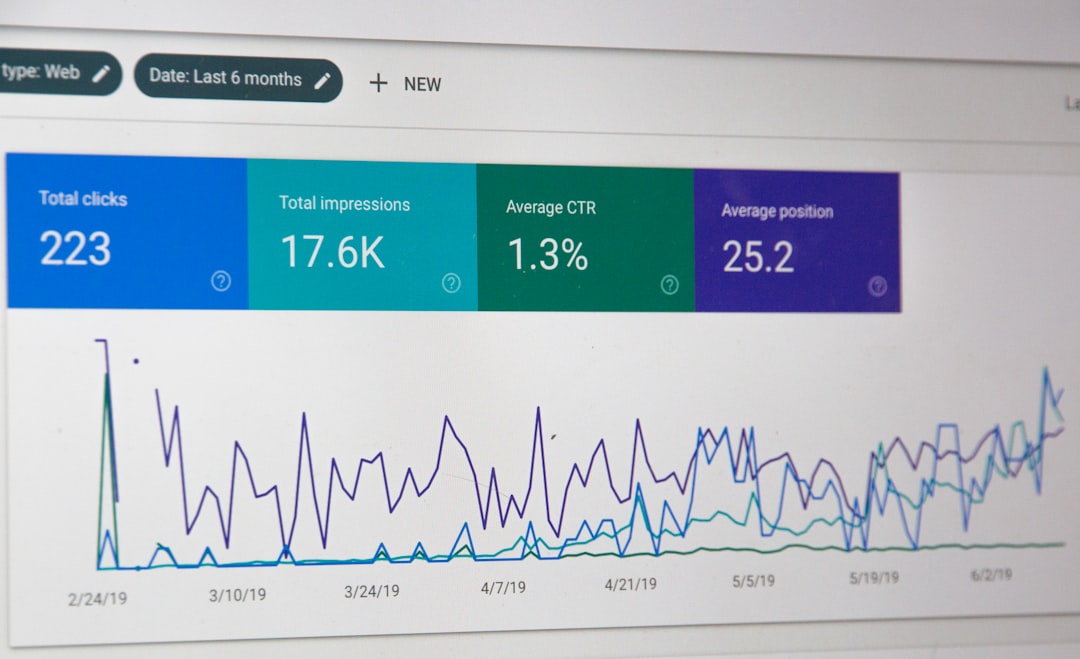
You cannot improve what you do not measure. Track retention with simple numbers.
Useful metrics include:
- Repeat purchase rate: how many buyers order again.
- Time between purchases: how long it takes users to return.
- Churn rate: how many users stop coming back.
- Seller retention: how many sellers stay active.
- Customer lifetime value: how much a user brings over time.
- Net promoter score: how likely users are to recommend you.
Look for patterns. Do users leave after their first order? Do sellers leave after their first month? Do buyers return only during discounts? Each clue points to a fix.
10. Keep improving the marketplace loop
Retention is not one big button. It is a loop.
Users visit. They search. They compare. They buy or sell. They get support. They review. They return. Every step matters.
Find the weak spots. Fix them one by one. Small changes can stack up fast. A clearer checkout can boost repeat orders. Better seller tools can improve product quality. Faster support can rebuild trust.
Retention grows when the whole experience feels easier each time.
Final thoughts
To increase customer retention in a marketplace, focus on people first. Buyers want ease, trust, and value. Sellers want tools, fairness, and income. Both want respect.
Make your marketplace simple to use. Help users find what they need. Reward loyalty. Solve problems quickly. Build a place that feels safe and lively.
Do that, and customers will not just come back. They will bring snacks, invite friends, and make themselves at home.
Leave a Reply