Buying the iPhone 17 Pro outright may be convenient, but it is not always the most financially efficient choice. With premium iPhones often costing well over $1,000, the right financing plan can spread the cost, preserve cash flow, and sometimes reduce the total price through trade-in credits or carrier promotions.
TLDR: The best iPhone 17 Pro financing option depends on whether you value low monthly payments, upgrade flexibility, or total savings. For example, a buyer trading in a recent Pro model could see monthly costs drop by 40% to 70% through carrier bill credits, while someone who wants flexibility may prefer Apple financing or a buy now pay later plan. Always compare the total paid over the full term, not just the advertised monthly price.
1. Apple iPhone Payments
Best for: buyers who want a simple, direct financing experience without being tied to a carrier deal.
Apple’s own monthly payment option is often one of the cleanest ways to finance an iPhone 17 Pro. You typically choose the device, select a monthly installment plan, and pay over a fixed period. The main advantage is transparency: you are financing the phone itself rather than bundling it with a complicated service contract.
This option is especially attractive if you use a prepaid carrier, switch networks often, or want to avoid promotional bill credits that take years to fully receive. However, approval may depend on creditworthiness, and promotional interest terms can vary, so review the agreement carefully before checkout.
2. Apple Card Monthly Installments
Best for: Apple ecosystem users who qualify for Apple Card and want predictable payments.
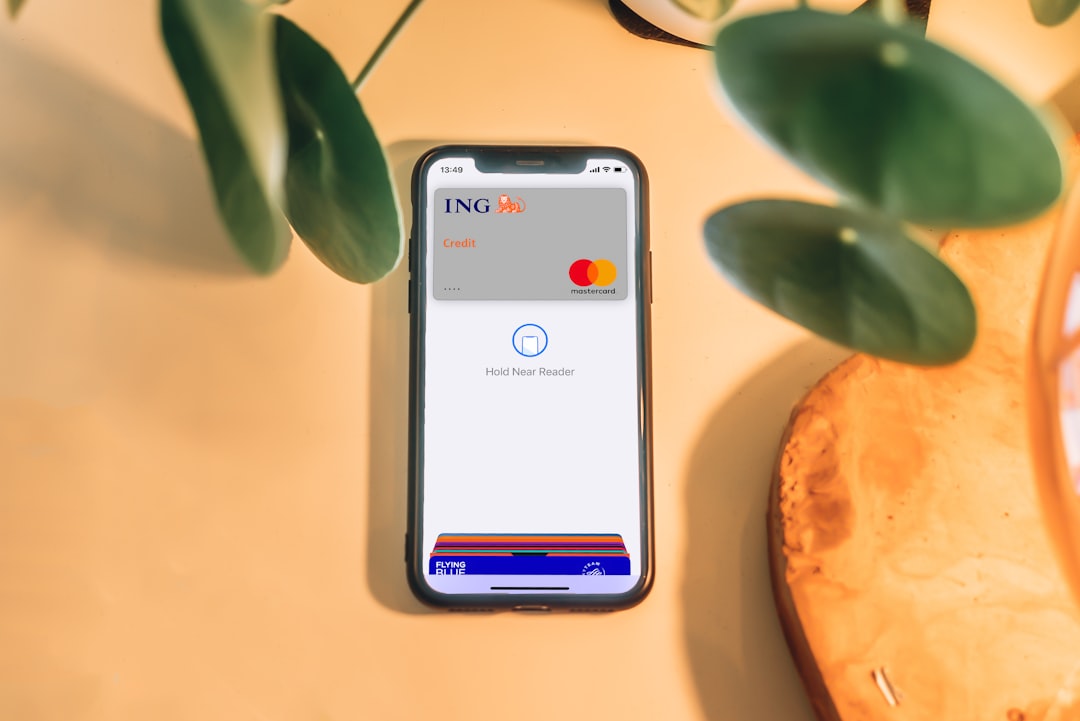
Apple Card Monthly Installments have historically been popular because they may offer 0% APR on eligible Apple purchases. If available for the iPhone 17 Pro, this can be one of the most straightforward financing options: you split the cost into equal monthly payments and see the balance in the Wallet app.
The key benefit is cost control. If the phone costs $1,199 and the term is 24 months at 0% APR, the payment would be about $49.96 per month before taxes and fees. The downside is that this option is limited to approved Apple Card users and may require activation with eligible carriers depending on Apple’s current policy.

3. iPhone Upgrade Program
Best for: users who upgrade every year and want AppleCare included.
The iPhone Upgrade Program is designed for people who prefer having the latest iPhone without keeping a device for three or four years. It generally includes the phone plus AppleCare+, with the option to upgrade after making a required number of payments.
This can be a practical fit for professionals, creators, or enthusiasts who rely on the newest camera, processor, and display improvements. The monthly cost is usually higher than basic financing because protection coverage is included, but that may be worthwhile if you would buy AppleCare anyway.
The biggest consideration is ownership. If you upgrade regularly, you may never fully own the device before moving to the next one. That is not necessarily bad, but it should match your long-term buying habits.
4. Verizon Device Payment Plans
Best for: Verizon customers with strong trade-in devices and long-term service plans.
Carrier financing can produce some of the lowest advertised iPhone 17 Pro prices, especially when paired with trade-in promotions. Verizon often structures deals through monthly bill credits over a multi-year term. A promotion might advertise a large discount, but that savings is usually spread over 24 to 36 months.
The advantage is obvious: if you stay with Verizon and qualify for the full promotion, your effective device cost can be significantly reduced. The risk is also clear: if you cancel service, downgrade your plan, or pay off the phone early, you may lose remaining credits.
This route is strongest for households already committed to Verizon, particularly families with multiple lines who can maximize plan-level discounts.
5. AT&T Installment Plan and Trade-In Offers
Best for: customers who want large trade-in credits and do not mind a longer financing term.
AT&T frequently uses installment agreements combined with promotional credits. For an iPhone 17 Pro buyer, the headline deal may look excellent: trade in an eligible device and receive substantial credits over the agreement period.
Before accepting, confirm three points: the required unlimited plan, the condition and model of the trade-in phone, and the credit schedule. A $1,000 promotional credit over 36 months equals about $27.78 per month in credits. If your device payment is $33.31 per month, your net monthly device cost may be just a few dollars, excluding taxes and service charges.
This can be a strong deal, but only if you are comfortable staying with AT&T for the full term.
6. T-Mobile Equipment Installment Plan
Best for: T-Mobile customers looking for aggressive promotions and flexible upgrade features.
T-Mobile commonly offers equipment installment plans, sometimes paired with trade-in credits or premium plan incentives. Depending on the promotion, buyers may receive strong value when adding a line, switching from another carrier, or trading in a recent iPhone.
The main strength is promotional competitiveness. T-Mobile often targets switchers and families, which can make the total package attractive if you are moving multiple lines. As with other carriers, however, the phone deal should not be evaluated separately from the wireless plan. A lower device payment can be offset by a higher monthly service cost.

7. Retailer Financing Through Best Buy, Amazon, or Similar Stores
Best for: shoppers who want promotional financing, store rewards, or carrier activation deals in one place.
Major electronics retailers may offer iPhone 17 Pro financing through store credit cards, third-party lenders, or carrier installment activation. Best Buy, for example, often combines phone sales with carrier promotions and its own financing options. Amazon may offer installment options or credit card financing depending on eligibility and seller terms.
The benefit is comparison shopping. You may be able to evaluate multiple carriers, trade-in offers, and financing terms at once. Retailers may also provide limited-time gift cards or instant discounts.
The caution is that store financing can differ greatly from Apple or carrier plans. Deferred interest offers are especially important to understand: if the balance is not paid in full by the promotional deadline, interest may be charged retroactively.
8. Buy Now Pay Later Options: Affirm, Klarna, PayPal, and Afterpay
Best for: buyers who want short-term flexibility and do not want a carrier commitment.
Buy now pay later services can be useful when purchasing an unlocked iPhone 17 Pro from a retailer that supports them. Providers such as Affirm, Klarna, PayPal Pay Later, and Afterpay may offer short-term installment plans, sometimes with no interest if paid on schedule.
This option is most suitable for disciplined buyers who can handle payments without stretching their budget. BNPL plans can be convenient, but missed payments may lead to fees, account restrictions, or credit reporting consequences depending on the provider.
For example, splitting a $1,199 phone into four payments would require nearly $300 per payment, which is very different from a 24-month carrier installment. BNPL is flexible, but it is not always the lowest-pressure option.
How to Choose the Right iPhone 17 Pro Financing Plan
- Lowest monthly payment: carrier trade-in deals usually win, but require long-term service commitment.
- Lowest total cost: 0% APR financing or a strong trade-in credit may be best.
- Most flexibility: Apple financing, unlocked purchase financing, or BNPL options are usually better than carrier contracts.
- Best for frequent upgrades: the iPhone Upgrade Program is worth considering.
- Best for poor cash flow: avoid short BNPL plans unless the payments are clearly affordable.
Important Fine Print to Review
Before signing any iPhone 17 Pro financing agreement, read the details carefully. Pay attention to APR, term length, taxes, early payoff rules, trade-in valuation, activation fees, and whether credits disappear if you change plans. A deal that looks like “free iPhone” advertising may still require sales tax upfront, a premium unlimited plan, and three years of service.
Also compare the phone deal against your total wireless bill. Saving $25 per month on the device does not help if the required plan costs $35 more than your current service.
Final Recommendation
For most buyers, the best iPhone 17 Pro financing choice falls into one of three categories. If you want maximum savings and are loyal to a carrier, compare Verizon, AT&T, and T-Mobile trade-in offers. If you want simplicity and control, Apple financing or Apple Card installments are usually cleaner. If you want short-term flexibility, BNPL can work, but only if the payment schedule fits your budget.
The smartest approach is to calculate the total cost over the full term, including service requirements and lost credits. A trustworthy financing decision is not about the lowest advertised monthly payment; it is about choosing a plan you can comfortably complete.
Leave a Reply