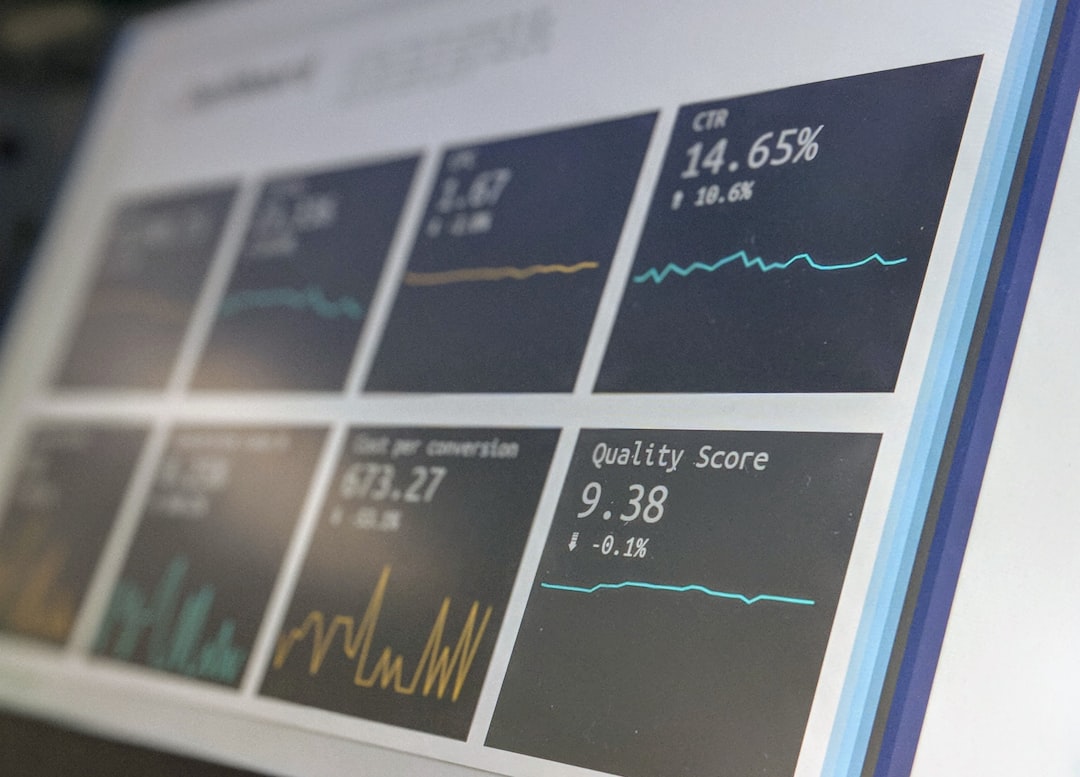
NetPark Tampa Bay is widely recognized as a large mixed-use business and technology campus where daily access, tenant convenience, and visitor flow depend heavily on organized parking operations. For companies, employees, clients, vendors, and event attendees, a well-managed parking environment can reduce delays, improve security, and make the overall property experience more predictable.
TLDR: NetPark Tampa Bay combines a large campus setting with structured parking management practices designed to support tenants, visitors, and operations teams. Its parking approach may include permit control, visitor validation, access monitoring, reporting, and clear wayfinding. For example, a tenant with 120 employees could reduce morning parking confusion by assigning permit groups and reserving a small percentage of spaces for guests. If analytics show that 18% of spaces remain unused after 10:00 a.m., management can adjust allocation rules without expanding the parking footprint.
Overview of NetPark Tampa Bay
NetPark Tampa Bay functions as more than a traditional office location; it is a campus-style environment that supports daily commuters, business visitors, service providers, and occasional high-traffic events. Because the property may serve multiple tenants at once, parking must be handled as a shared resource rather than a simple open lot. This makes planning, monitoring, and communication essential parts of the parking experience.
The campus setting gives users convenient access to buildings, meeting spaces, and business services, but it also requires a parking system that can distinguish between long-term employee use, short-term visitor parking, loading needs, accessibility spaces, and special event demand. A strong parking management framework helps keep the property efficient during peak arrival and departure periods.
Image not found in postmetaKey Features of NetPark Tampa Bay Parking
The parking environment at NetPark Tampa Bay is typically centered on accessibility, visibility, and operational control. The most useful features are those that make parking easier for regular users while giving managers the information needed to prevent congestion and misuse.
- Tenant parking areas: Designated zones may be used to help employees park near their assigned buildings or workspaces.
- Visitor parking: Guest spaces can be positioned near main entrances, reception points, or security desks to reduce confusion.
- Accessible parking: ADA-compliant spaces should be clearly marked and located near accessible entrances.
- Directional signage: Signs, pavement markings, and entry instructions help guide drivers through the campus.
- Permit or credential control: Employees and long-term users may rely on physical permits, digital passes, access cards, or license plate recognition.
- Security visibility: Lighting, patrol routes, cameras, and controlled access points can improve confidence and reduce unauthorized use.
For tenants, these features can support employee satisfaction and client professionalism. For property managers, they create a foundation for consistent enforcement and better space allocation.
Parking Management Capabilities
A modern parking operation at a campus like NetPark Tampa Bay benefits from management tools that track permits, occupancy, violations, and visitor activity. Even when the parking areas appear simple, the underlying system may support complex decisions about who parks where, when spaces are used, and how exceptions are handled.
Permit management is one of the most important capabilities. Property teams can assign parking privileges to employees, executives, visitors, vendors, or reserved-space users. This helps prevent oversubscription and allows management to match available spaces with real demand.
Visitor validation is another valuable function. A tenant may pre-register a client before a meeting, allowing the guest to receive instructions, a temporary pass, or a QR-based credential. This reduces time at entry points and makes the arrival process feel more professional.
Occupancy reporting helps administrators understand parking patterns. If a certain lot reaches 95% occupancy between 8:30 and 9:15 a.m., while another remains only 60% occupied, signage or permit rules can be updated to distribute demand more evenly. These insights are especially useful when tenants grow, host events, or change work schedules.

Enforcement tools may include citation tracking, frequent-violation logs, restricted-area monitoring, and alerts for expired permits. These tools are not only punitive; they also help protect reserved spaces, loading zones, accessible areas, and emergency access routes.
Communication capabilities are equally important. Notices about construction closures, event parking, new entry routes, or temporary restrictions can be shared with tenants and users. Clear communication reduces frustration and limits calls to property management.
User Guide: How Parking Typically Works
A new tenant, employee, or visitor should follow a simple process to use parking efficiently at NetPark Tampa Bay. The exact steps may vary depending on property policies, but the general workflow is straightforward.
- Confirm parking eligibility: The user should check whether parking is included through an employer, lease agreement, visitor arrangement, or event registration.
- Register the vehicle: Employees may need to provide a license plate number, vehicle make and model, contact information, and company affiliation.
- Receive a permit or credential: The user may receive a hangtag, sticker, access card, digital pass, QR code, or license-plate-based authorization.
- Review assigned areas: The user should identify which lots or zones are permitted and whether any spaces are reserved, visitor-only, or time-limited.
- Follow posted signage: On arrival, the driver should pay attention to entry lanes, arrows, reserved markers, speed limits, and pedestrian crossings.
- Update vehicle changes: If the user changes cars or license plates, the parking profile should be updated to prevent warnings or citations.
For visitors, the process is usually shorter. A host may send parking instructions before the appointment, including the correct entrance, building destination, and whether validation is required. If a visitor arrives without pre-registration, the person may need to check in at reception or follow posted visitor parking instructions.
Best Practices for Tenants and Administrators
Tenants can improve parking outcomes by keeping employee lists current, communicating visitor instructions, and reporting recurring problems early. A company that hires new staff, adopts hybrid schedules, or hosts weekly meetings should coordinate with property management before parking demand changes significantly.
Administrators should regularly review parking data and compare it with real-world observations. If enforcement records show repeated unauthorized parking in guest areas, the issue may be caused by unclear signage rather than intentional misuse. If evening occupancy increases, lighting and security patrol schedules may need to be adjusted.

Good parking management also supports safety. Clear pedestrian paths, visible crosswalks, well-lit areas, and properly maintained surfaces help reduce risk. In a campus environment, the goal is not simply to fit as many vehicles as possible; it is to create a system that is safe, fair, understandable, and scalable.
FAQ
- What is NetPark Tampa Bay?
NetPark Tampa Bay is a large business campus environment in Tampa Bay that supports offices, tenants, visitors, and daily parking activity. - Does NetPark Tampa Bay offer visitor parking?
Visitor parking is generally expected in a campus setting, but guests should follow the instructions provided by the tenant, host, or property management team. - How does an employee get a parking permit?
An employee usually registers through the employer or property management office and provides vehicle details before receiving a permit, credential, or authorization. - Can parking areas be reserved for specific tenants?
Yes, designated or reserved areas may be used when the property’s parking policy and tenant agreements allow it. - What happens if a vehicle is parked in the wrong area?
The vehicle may receive a warning, citation, or other enforcement action depending on posted rules and management policies. - Why are parking analytics useful?
Analytics help property teams understand space usage, peak hours, visitor demand, and underused areas, making it easier to improve parking allocation. - What should visitors do before arriving?
Visitors should confirm the correct entrance, parking area, building location, and any validation requirements with their host before traveling to the campus.
Leave a Reply