Brands should treat every newsletter as a short story with a purpose, not a dump of links and updates. A subscriber opens email for progress, surprise, help, or proof that the brand understands a real problem. When the message has a beginning, middle, and payoff, it feels less like promotion and more like a useful moment in the inbox.
TLDR: Newsletter storytelling turns routine email updates into subscriber experiences by giving each message a clear character, conflict, and result. For example, a skincare brand could replace “new serum available” with a 3 email story about a customer dealing with winter dryness, testing the product, and seeing smoother skin after 14 days. In one common campaign setup, a brand might see open rates rise from 28% to 36% and click rates move from 2.1% to 4.4% after shifting from product lists to narrative emails. The key is simple: every update should answer, “Why should this matter right now?”
Why Standard Brand Emails Feel So Easy to Ignore
Many newsletters fail because they sound like internal memos. A product shipped. A blog post went live. A sale starts Friday. None of that is bad, but it often lacks tension or meaning.
Subscribers do not wake up hoping to read company news. They want something that fits their life. A founder’s note can work if it explains a hard decision. A product update can work if it shows a customer problem being solved. A discount can work if it feels tied to a moment, not tossed into an inbox because revenue is down this week.
The catch is that many email tools make bland sending easier than good storytelling. Dragging blocks into a template can be quick, yet shaping a message around a reader’s concern still takes thought. Some campaign builders also bury preview text or audience notes behind extra clicks. It is annoying when a team spends 20 more seconds hunting for a basic field that affects whether thousands of people open the email.
The Story Elements Every Newsletter Needs
A strong newsletter does not need a novel-length plot. It needs structure. Brands can use four simple story parts:
- Character: The customer, founder, employee, community member, or product user at the center of the message.
- Problem: The question, frustration, wish, or obstacle that creates interest.
- Shift: The action, insight, product, event, or lesson that changes the situation.
- Payoff: The useful takeaway, invitation, result, or next step.
For a fitness brand, the character could be a busy parent training before work. The problem could be low energy and missed workouts. The shift could be a 20 minute routine sent every Monday. The payoff could be a clearer weekly plan and a link to save the routine.
This format works because it gives subscribers a reason to keep reading. It turns “Here is a new plan” into “Here is how someone made exercise fit into a messy schedule.” That feels human.
Turning Email Updates Into Mini Chapters
Brands often think storytelling means longer emails. It does not. A story can be short. The goal is flow.
A product launch newsletter might follow this pattern:
- Open with friction: “Customers kept asking why setup took so long.”
- Show the effort: “The product team tested six shortcuts and removed three steps.”
- Reveal the result: “Setup now takes under four minutes for most accounts.”
- Invite action: “Subscribers can try the faster setup here.”
That is more engaging than “We are excited to announce a new setup flow.” The reader sees the reason behind the update. They understand the benefit without guessing.
For recurring newsletters, brands can create story arcs. A food brand might run “The Weeknight Rescue Series.” Each email follows one household, one dinner problem, and one practical recipe. A B2B software company might run “Before the Fix,” showing how teams handled messy workflows before changing one process. The format stays familiar, but each issue has a fresh angle.
Using Data Without Making the Email Feel Cold
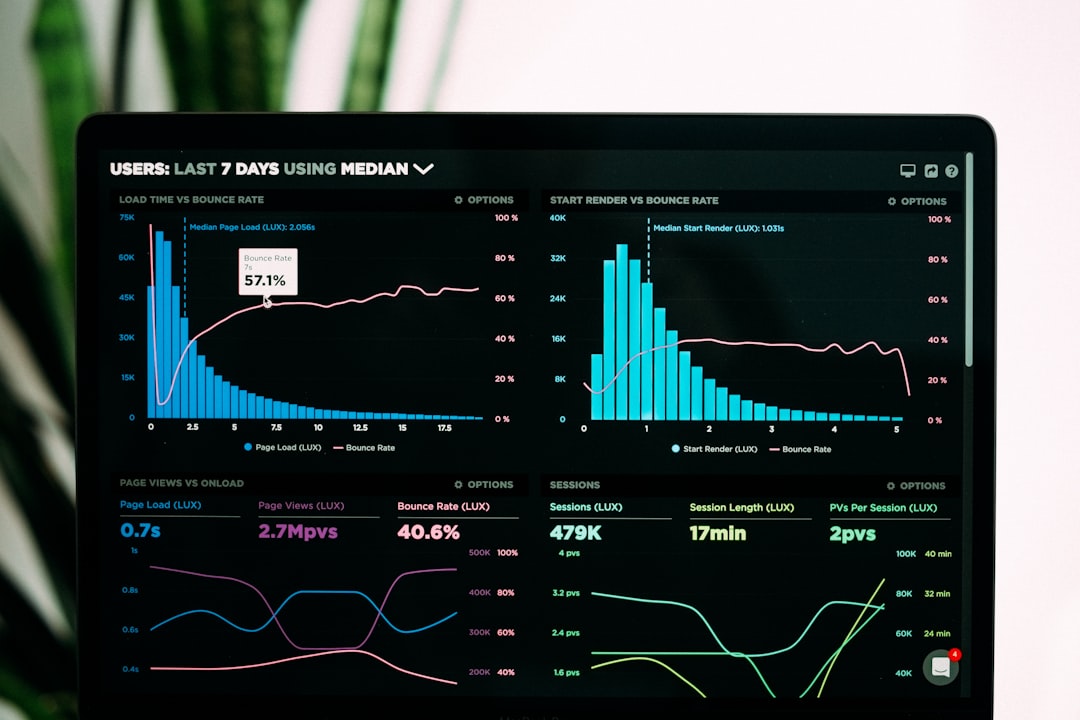
Analytics can sharpen storytelling. They should not flatten it. Open rates, clicks, replies, and scroll depth help brands see which stories earn attention. Still, numbers need interpretation.
If a customer story gets a 41% open rate while a product roundup gets 24%, the lesson is not only “send more customer stories.” The better lesson might be that the audience responds to proof, real names, and concrete outcomes.
Brands can watch metrics such as:
- Open rate: Indicates whether the subject line and sender promise enough value.
- Click rate: Shows whether the story created desire to act.
- Reply rate: Signals trust and emotional response.
- Unsubscribe rate: Warns when the content feels irrelevant or too frequent.
- Conversion rate: Links the story to business outcomes.
Honestly, it feels like some reporting dashboards punish curiosity. A marketer may need to export data just to compare two segments cleanly. That slows learning. Still, even basic numbers can guide better choices when the brand reviews them after every send.

Personalization Should Support the Story
Personalization is not just adding a first name. It means sending a story that matches a subscriber’s stage, interest, or past behavior.
A new subscriber needs orientation. A loyal customer may want insider details. A dormant subscriber may need a reason to care again. These groups should not always receive the same message.
For example, an outdoor gear brand could send three versions of the same newsletter:
- Beginners: A story about a first overnight hike and what almost went wrong.
- Frequent buyers: A behind the scenes note about testing a new pack in rain.
- Inactive subscribers: A short “what changed since the last visit” story with one clear offer.
The brand does not need to rewrite everything. It can change the opening, example, and call to action. Small edits can make the email feel chosen rather than blasted.
Subject Lines Need Story Tension
The subject line is the first scene. It should raise a question, name a benefit, or hint at a result. Vague excitement rarely works.
Weak subject lines often sound like this:
- “Our June Newsletter”
- “Big Updates Inside”
- “New Products Are Here”
Stronger lines create curiosity:
- “The mistake that made this launch better”
- “How Mia cut her morning routine by 12 minutes”
- “Why this recipe sold out twice”
The best subject lines stay honest. If the email promises a story, the body must deliver one. Clickbait breaks trust fast.
Design Should Make the Story Easier to Read
Good email design supports the narrative. It does not fight for attention. Short paragraphs, bold section cues, and clear buttons help subscribers move through the message.
Brands can improve readability with:
- A strong first sentence that states the main value.
- One primary call to action instead of five competing buttons.
- Visual breaks between setup, proof, and action.
- Alt text for images so the story still makes sense when images are blocked.
- Mobile first spacing because many subscribers read with one thumb.

How Brands Can Build a Story Driven Newsletter Process
A repeatable process keeps storytelling from becoming random. Before drafting, the team should answer five questions:
- Who is this email about?
- What problem or desire starts the story?
- What changed?
- What should the subscriber feel or learn?
- What is the one next step?
This keeps the email focused. It also helps writers, designers, and campaign managers work from the same plan.
A simple editorial calendar can map stories by audience need. One week may feature customer proof. Another may share a founder lesson. A third may explain a product improvement through a real use case. Over time, subscribers start to recognize the brand’s voice and rhythm.
FAQ
What is newsletter storytelling?
Newsletter storytelling is the practice of structuring email updates around a character, problem, change, and outcome. It makes messages feel useful, human, and easier to remember.
Do storytelling newsletters need to be long?
No. Many strong story based emails are under 300 words. The structure matters more than length.
What types of brands can use email storytelling?
Retail, SaaS, nonprofits, media brands, service firms, and local businesses can all use it. Any brand with customers, problems, results, or lessons has story material.
How often should brands send story driven newsletters?
The best schedule depends on audience interest and content quality. Weekly or biweekly often works well if each send has a clear purpose.
How can a brand measure success?
Teams should track open rate, click rate, replies, conversions, and unsubscribes. They should also compare story formats to see which themes create the strongest response.
Leave a Reply