Syntactically is best used as a syntax-first assistant, while Grammarly is better for polished prose, tone, and everyday writing clarity. If your work mixes code, documentation, emails, markdown, and product notes, you should not treat one checker as enough. Use a writing checker for language, a linter for code, and a formatter for consistency. That combination catches more errors and saves you from the tiny mistakes that somehow take 30 minutes to find.
TLDR: Syntactically fits users who care about structure, syntax, and rule-based checking across technical text, while Grammarly shines when the goal is readable, corrected, professional writing. For example, a developer writing 10 pull request descriptions and 5 documentation pages per week may use Grammarly to cut wording edits by about 25%, then use ESLint or Ruff to catch code syntax issues before review. Syntactically works best as part of a stack, not as a total replacement for code linters or grammar editors. The smart setup is simple: Grammarly for prose, code tools for code, Syntactically for syntax-aware review where language and structure meet.
What “Syntactically” Really Means in This Comparison
The name suggests a focus on syntax: the structure of sentences, code, markup, and written patterns. That matters because syntax is not the same as style. A sentence can be grammatically acceptable and still be clunky. A JavaScript file can look neat and still fail because of a missing bracket. A markdown document can read well and still break a table.
That is where Syntactically-style checking earns attention. It sits closer to the structure layer. It asks: Is this built correctly? Grammarly asks a different question: Does this sound correct and clear? Code tools ask an even stricter question: Will this run, compile, or pass the rules?
Syntactically vs Grammarly: The Clear Difference
Grammarly is built for human writing. It checks spelling, grammar, punctuation, tone, wordiness, and clarity. It is useful for emails, essays, proposals, blog posts, help articles, and social posts. It can rewrite sentences and suggest more confident phrasing.
Syntactically, by contrast, is more useful when structure is the issue. Think pattern checks, syntax rules, formatting awareness, and mixed content. That may include written syntax, command examples, snippets, tags, or technical documentation. It is less about making a paragraph sound warm and more about making sure the material is arranged correctly.
Honestly, it feels annoying when Grammarly flags a code variable as a spelling mistake, then suggests changing it into normal English. That is not helpful. If you are writing documentation with JSON examples, CLI commands, and markdown tables, you need a tool that does not panic every time it sees curly braces.
Where Grammarly Wins
Grammarly is still one of the strongest options for general writing. It is popular for a reason. It catches common mistakes quickly and gives suggestions that non-editors can understand.
- Best for: articles, emails, reports, resumes, academic writing, and business copy.
- Strong points: tone detection, rewrite suggestions, punctuation, clarity edits, and browser support.
- Weak points: code awareness, technical formatting, false positives in product names, and occasional over-editing.
Grammarly can make writing cleaner, but it may also smooth out useful personality. Its premium suggestions sometimes push every sentence toward safe corporate wording. That can drain the voice from a technical guide or opinion piece.
Where Syntactically Wins
Syntactically is the better fit when syntax is the main risk. This may include mixed documents where prose sits beside code. It may also help teams keep consistent rules across structured text.
- Best for: technical docs, developer notes, structured content, syntax review, and mixed writing with code examples.
- Strong points: rule awareness, structural checking, fewer irrelevant style edits, and better focus on correctness.
- Weak points: less useful for tone, brand voice, persuasive writing, and human-sounding rewrites.
The catch is that syntax tools can feel dry. They often tell you what is wrong without helping you make the line sound better. That is fine for code. It is less fine when you are trying to write a friendly onboarding email.
How Code Syntax Tools Compare
For real code, dedicated tools still win. A writing checker should never replace a compiler, linter, type checker, or formatter. These tools understand programming languages in ways general writing assistants do not.
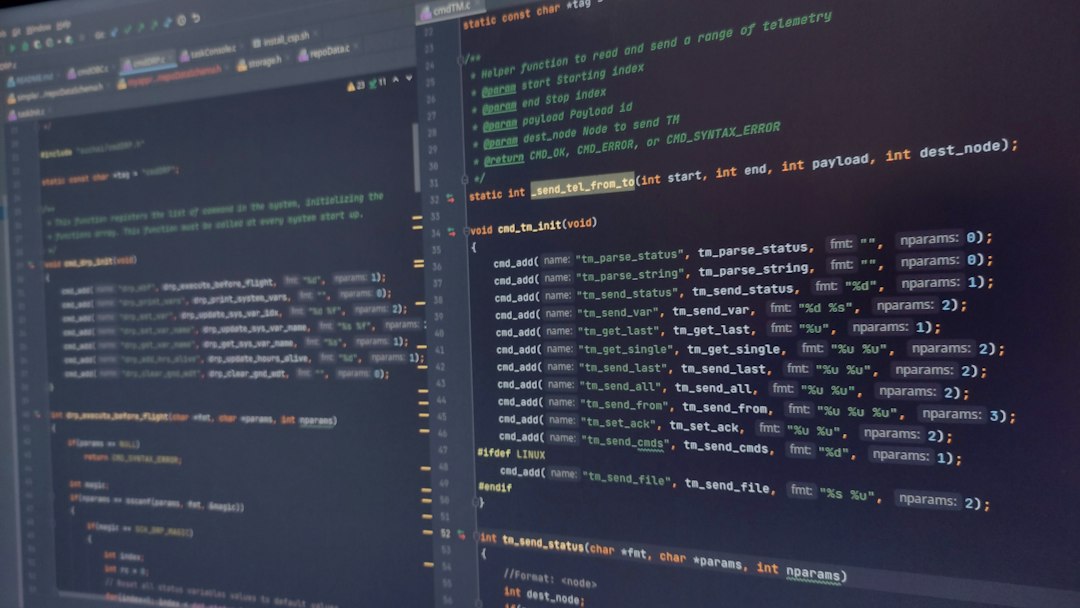
- ESLint: Great for JavaScript and TypeScript rules. It catches bad patterns, unused variables, and risky code.
- Prettier: A formatter, not a grammar checker. It makes code look consistent with almost no debate.
- TypeScript: Adds type checking, which catches errors before runtime.
- Ruff: Fast Python linting. It often replaces several older Python tools in one setup.
- Pylint: Detailed Python analysis, though it can be noisy.
- Black: Opinionated Python formatting. It removes many team arguments about style.
- Stylelint: Useful for CSS and related style rules.
Expect to waste time on false positives if you use the wrong tool for the wrong job. A grammar tool does not know your app architecture. A linter does not care if your release note sounds stiff. Each tool sees only part of the problem.
What About LanguageTool, Hemingway, and ProWritingAid?
Grammarly is not the only writing checker worth comparing. LanguageTool is a strong alternative, especially for multilingual writing. It supports many languages and can be a good pick for international teams.
Hemingway Editor is different. It does not act like a deep grammar system. It highlights hard-to-read sentences, passive voice, adverbs, and long phrasing. It is useful when your writing feels heavy.
ProWritingAid offers deeper reports. It is popular with authors, editors, and long-form writers. It can analyze repetition, pacing, readability, and structure. It is more detailed than many users need, but powerful for serious drafts.
Compared with these, Syntactically belongs closer to the technical end. It is less about making text elegant and more about checking whether the pieces are arranged correctly.
Best Tool Setup by User Type
- Developer: Use ESLint, Prettier, TypeScript, Ruff, or similar tools first. Add Grammarly or LanguageTool for pull request notes and documentation.
- Technical writer: Use Grammarly for clarity, Syntactically for structure, and a markdown checker for broken tables or links.
- Student: Use Grammarly or LanguageTool for essays. Use code-specific tools for programming assignments.
- Content marketer: Use Grammarly, Hemingway, or ProWritingAid. Syntactically is useful only if your content includes technical snippets or strict templates.
- Engineering manager: Standardize the team stack. Use automated checks in pull requests so style debates do not eat the meeting.
Accuracy, Speed, and Annoyance Factor
The best checker is not always the one with the most suggestions. Too many suggestions can slow people down. A tool that adds five irrelevant comments to every paragraph becomes background noise.
In a practical workflow, a good checker should do three things:
- Catch real mistakes early. Missing punctuation, broken syntax, invalid formatting, or unclear wording should appear before review.
- Respect context. Product names, code variables, file paths, and commands should not be treated like ordinary typos.
- Stay out of the way. If a tool takes 8 extra seconds to load on every document, people will turn it off.
This is why Syntactically and Grammarly should not be framed as enemies. They solve different headaches. Grammarly improves the reading experience. Syntactically improves structural confidence. Linters and formatters protect the code itself.
Final Recommendation
Choose Grammarly if your main work is writing for people. Choose Syntactically if your main concern is syntax, structure, or technical correctness in mixed content. Choose code linters and formatters if the content must compile, run, or pass engineering standards.
The strongest workflow uses all three layers. First, let code tools catch programming errors. Next, use Syntactically to check structure in technical material. Last, use Grammarly or another writing assistant to make the final text clear and readable. That order keeps the work accurate without turning every sentence into bland office paste.
Leave a Reply