A polypectomy means removing a polyp before it can cause trouble. Most people hear the word during a colonoscopy, but polyps can also be removed during an upper endoscopy. Same basic idea. Different body area. Different prep. Different “ugh, do I really have to do this?” moments.
TLDR: A colonoscopy polypectomy removes polyps from the colon or rectum. An upper endoscopy polypectomy removes polyps from the esophagus, stomach, or first part of the small intestine. For example, a 52-year-old getting a routine colonoscopy might have two tiny colon polyps removed in 10 minutes, often without feeling a thing. Since many colon cancers start as polyps, removing them early can cut future risk in a big way.
What Is a Polypectomy?
A polyp is a small growth. Think of it like a tiny mushroom on the lining of the digestive tract. Some are harmless. Some are precancerous. A few may already contain cancer cells.
A polypectomy is the removal of that growth. The doctor uses a thin, flexible tube with a camera. Small tools pass through the tube. Snip. Grab. Remove. Done.
No giant surgery scene. No dramatic hospital music. Most polypectomies happen during a planned exam.
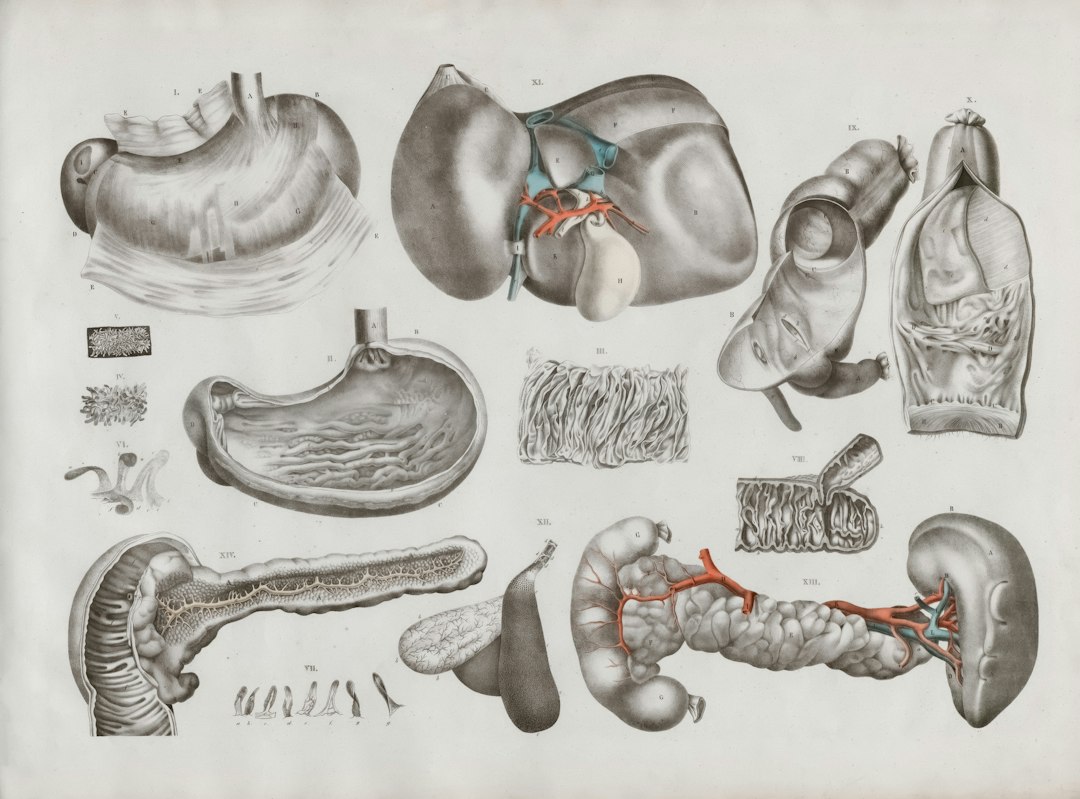
Colonoscopy vs Endoscopy: Wait, Aren’t They the Same?
Here is the annoying bit. Colonoscopy is actually a type of endoscopy. The word “endoscopy” means looking inside the body with a camera. But in everyday talk, people often use “endoscopy” to mean upper endoscopy.
So, in plain English:
- Colonoscopy: Camera goes through the anus into the colon.
- Upper endoscopy: Camera goes through the mouth into the upper digestive tract.
Both can find polyps. Both can remove them. But they check different zones.
Colonoscopy Polypectomy: The Colon Cleanup Crew
A colonoscopy checks the large intestine. That includes the colon and rectum. This is where doctors commonly find colon polyps.
Colon polyps are a big deal because some can turn into colorectal cancer over time. Not overnight. Usually over years. That is why screening matters.
During the test, the doctor looks for bumps, flat spots, and odd-looking tissue. If a polyp appears, they may remove it right away.
Common tools include:
- Cold snare: A tiny wire loop cuts off small polyps without heat.
- Hot snare: A wire loop uses heat to cut and seal tissue.
- Forceps: Tiny pinchers remove very small polyps.
- EMR: Endoscopic mucosal resection removes larger or flatter polyps.
Most people are sedated. You may sleep through it. You may wake up asking the same question three times. Very normal. Slightly funny for everyone else.
Upper Endoscopy Polypectomy: The Upstairs Version
An upper endoscopy checks the esophagus, stomach, and duodenum. The duodenum is the first part of the small intestine. It sounds fancy. It is basically the next stop after the stomach.
Polyps in this area are less common than colon polyps. Still, they happen. They may show up in the stomach. Some are linked to irritation, medicines, infection, or inherited conditions.
During an upper endoscopy, a slim scope enters through the mouth. Do not panic. Your throat is numbed. Sedation is often used. The doctor then looks around and removes polyps if needed.

The tools are similar. Tiny loops. Tiny pinchers. Tiny snares. Medicine has a whole toolbox of small gadgets that sound like they belong in a spy movie.
Main Differences at a Glance
- Entry point: Colonoscopy goes from below. Upper endoscopy goes from the mouth.
- Area checked: Colonoscopy checks the colon. Upper endoscopy checks the upper digestive tract.
- Prep: Colonoscopy needs bowel prep. Upper endoscopy usually needs fasting.
- Common reason: Colonoscopy often screens for colon cancer. Upper endoscopy often checks pain, bleeding, reflux, anemia, or swallowing issues.
- Polyp risk: Colon polyps are more strongly tied to colon cancer screening.
Let’s Talk About Prep, Because Yes, It’s a Thing
Honestly, the prep is the part people grumble about most.
For a colonoscopy, the colon must be clean. Very clean. Cleaner than your kitchen before guests arrive. You drink a laxative solution. You use the bathroom a lot. That is the deal.
If the colon is not clean, the doctor may miss small polyps. Worse, you may need to repeat the test. Nobody wants that. Expect to spend quality time near a bathroom the day before.
For an upper endoscopy, prep is usually easier. Most people stop eating and drinking for several hours. The stomach needs to be empty. That helps the doctor see clearly. It also lowers the chance of vomiting during sedation.
Does Polypectomy Hurt?
Usually, no. The lining of the colon does not feel cutting in the way skin does. With sedation, many people remember little or nothing.
Afterward, you may feel:
- Gassy
- Bloated
- Sleepy
- Mild cramping
- A little throat soreness after upper endoscopy
Gas is common because air or carbon dioxide may be used to open the area. Yes, you may fart after. This is not a social failure. It is basically recovery.
What Happens to the Polyp?
The removed polyp usually goes to a lab. A specialist called a pathologist checks it under a microscope.
The report may say the polyp is:
- Hyperplastic: Often low risk, especially when small.
- Adenoma: Can become cancer over time.
- Serrated: Some types can raise cancer risk.
- Inflammatory: Linked to irritation or inflammation.
Your doctor uses the result to plan follow-up. You may need another colonoscopy in 3 years, 5 years, 7 years, or 10 years. It depends on the number, size, and type of polyps.
Risks: Small, But Real
Polypectomy is common and generally safe. Still, every procedure has risks.
Possible risks include:
- Bleeding: Sometimes right away. Sometimes days later.
- Perforation: A small tear in the digestive wall. Rare, but serious.
- Reaction to sedation: Breathing, heart rate, or blood pressure changes.
- Infection: Uncommon.
Call your doctor fast if you have heavy bleeding, severe belly pain, fever, chest pain, trouble breathing, or black stools after the procedure.
Image not found in postmetaWhich One Do You Need?
You do not pick colonoscopy or upper endoscopy like choosing pizza toppings. Your symptoms and risk factors guide the choice.
A colonoscopy may be used for:
- Colon cancer screening
- Blood in stool
- Change in bowel habits
- Unexplained anemia
- Family history of colon cancer
An upper endoscopy may be used for:
- Trouble swallowing
- Long-lasting reflux
- Upper belly pain
- Vomiting blood
- Unexplained nausea
- Possible stomach bleeding
The Simple Takeaway
Colonoscopy polypectomy removes polyps from the colon. It is a key tool for preventing colorectal cancer. The prep is not fun. The payoff can be huge.
Upper endoscopy polypectomy removes polyps from the upper digestive tract. It is less tied to routine cancer screening, but it can still find and treat problems early.
Both procedures use tiny tools, careful cameras, and trained hands. The goal is simple. Find the weird little growth. Remove it. Test it. Keep you safer.
If your doctor recommends a polypectomy, ask what type of polyp they suspect, how it will be removed, and when results will come back. Clear answers make the whole thing less scary. And yes, you can ask about the prep. Everyone does.
Leave a Reply