Modern organizations have no shortage of data, tools, and ambitious ideas. The challenge is turning all of that activity into something organized, measurable, and useful. SEDGA is best understood as a structured digital solution for teams that need better visibility, cleaner workflows, and more consistent decision-making across projects, operations, or strategic initiatives. In this review, we’ll look at what SEDGA offers, where it can be valuable, and which types of users are most likely to benefit from it.
TLDR: SEDGA is a practical platform for organizing information, managing workflows, and supporting data-informed decisions. Its biggest strengths are structure, collaboration, visibility, and repeatable processes. It is especially useful for teams dealing with complex projects, reporting requirements, operational planning, or cross-functional coordination. While it may require some setup and process alignment, the long-term value can be significant for organizations that want more control over their work.
What Is SEDGA?
SEDGA can be described as a platform or framework designed to help users collect, manage, analyze, and act on information in a more systematic way. Rather than leaving teams to juggle scattered spreadsheets, email threads, manual checklists, and disconnected dashboards, SEDGA aims to centralize key information and create a more reliable operating environment.
At its core, SEDGA is useful because it focuses on structure. Many teams do not necessarily lack talent or effort; they lack a unified way to track progress, define responsibilities, compare results, and make decisions based on accurate information. SEDGA helps address that gap by giving users a clearer view of what is happening, what needs attention, and what actions should come next.
This makes it relevant across a wide range of environments, including business operations, project management, data governance, sustainability initiatives, public sector programs, education administration, nonprofit management, and enterprise reporting.
Key Features of SEDGA
While the exact feature set may vary depending on how SEDGA is implemented, the platform is generally associated with several core capabilities that make it appealing for organized, data-driven work.
1. Centralized Data Management
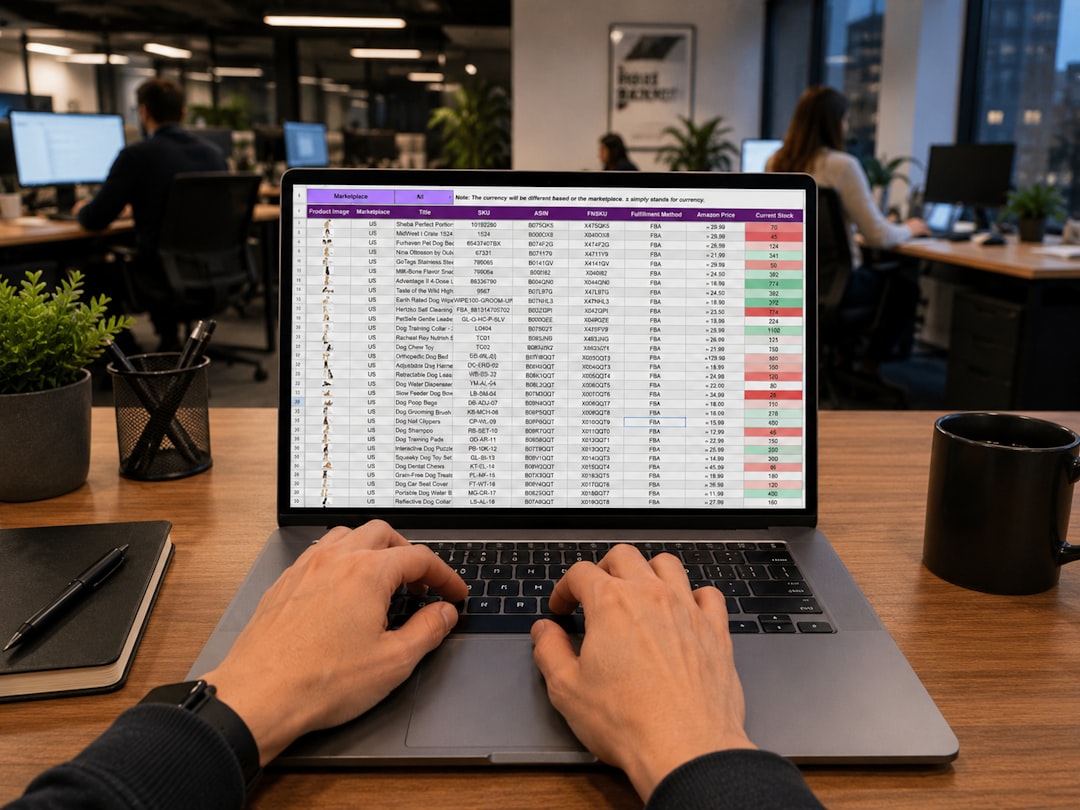
One of SEDGA’s most important features is its ability to bring information together in one place. Instead of storing critical details across multiple files and systems, users can maintain a more unified source of truth.
This is especially valuable when teams need to track ongoing activities, performance indicators, compliance records, financial details, operational milestones, or stakeholder updates. A centralized approach reduces confusion and lowers the chance of duplicated work or outdated information being used in decision-making.
2. Workflow Organization
SEDGA is also useful for designing and managing workflows. Teams can define tasks, assign responsibilities, monitor progress, and standardize recurring processes. This is particularly helpful for organizations where work moves through multiple departments or approval stages.
Rather than relying on informal follow-ups, SEDGA supports a more transparent process. Users can see who is responsible for each step, what deadlines are approaching, and where bottlenecks are forming.
3. Reporting and Analytics
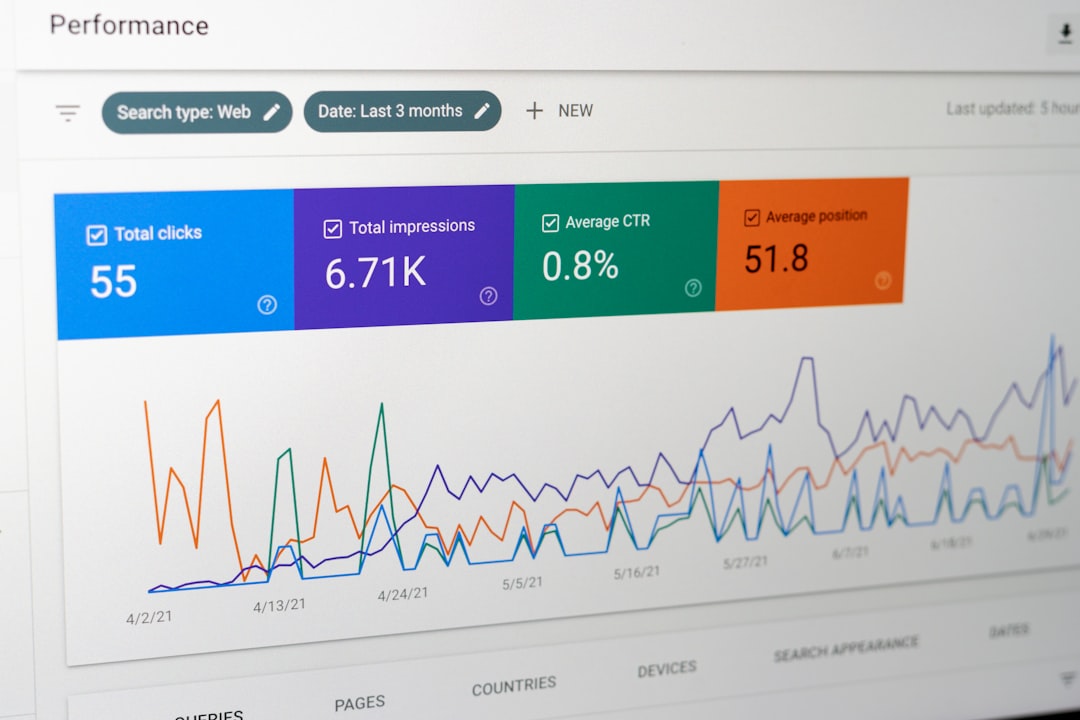
A strong review of SEDGA would not be complete without discussing its reporting value. The platform can help transform raw information into more understandable insights. Dashboards, summaries, visual reports, and performance indicators can give leaders a faster way to evaluate progress.
Good reporting does more than display numbers. It tells a story about what is working, what is delayed, where risks are increasing, and where resources may be needed. SEDGA’s emphasis on structured reporting makes it useful for teams that need to communicate results to executives, boards, partners, clients, or regulators.
4. Collaboration Tools
Many operational problems are really communication problems. SEDGA can help by giving teams a shared environment where updates, documents, notes, and decisions are easier to find. This reduces the dependency on long email chains and helps prevent important context from being lost.
Collaboration features may include shared workspaces, comments, task updates, document attachments, notifications, role-based access, and approval flows. These tools help ensure that the right people are involved at the right time.
5. Customizable Processes
Different organizations operate in different ways, so flexibility matters. SEDGA’s value increases when users can customize fields, workflows, templates, categories, and views to match their real-world processes.
For example, a nonprofit might configure SEDGA around programs, grant cycles, beneficiaries, and impact metrics. A manufacturing company might use it to track suppliers, production issues, safety checks, and operational performance. A consulting team might use it to manage client deliverables, timelines, risks, and reporting packs.
Major Benefits of Using SEDGA
SEDGA’s benefits are not limited to convenience. When implemented thoughtfully, it can improve how an organization thinks, plans, and executes.
- Better visibility: Teams gain a clearer understanding of project status, performance trends, and outstanding tasks.
- Improved accountability: Assigned responsibilities and transparent workflows make it easier to see who owns each action.
- Reduced manual effort: Standardized templates and automated processes can reduce repetitive administrative work.
- Stronger decision-making: Leaders can rely on more consistent information instead of fragmented updates.
- Greater consistency: Repeatable workflows help teams follow the same process every time.
- Faster reporting: Structured data makes it easier to generate reports without starting from scratch.
- Scalability: As teams grow, SEDGA can help preserve order and reduce operational complexity.
These benefits create a compounding effect. The more consistently teams use the platform, the more valuable the data becomes. Over time, SEDGA can become not just a place to store information, but a system that helps shape better organizational habits.

Use Cases for SEDGA
SEDGA is most compelling when used in environments where information, people, and processes need to stay aligned. Below are some common and practical use cases.
Project and Program Management
Organizations managing multiple projects can use SEDGA to track timelines, budgets, risks, objectives, tasks, and deliverables. This is particularly useful when projects involve multiple stakeholders or when leadership needs regular progress updates.
Instead of asking each project manager for separate status reports, decision-makers can review standardized information in one place. This creates a more consistent and less stressful reporting rhythm.
Operational Performance Tracking
SEDGA can support teams that need to monitor daily, weekly, or monthly performance. This may include service levels, production metrics, customer response times, case volumes, resource utilization, or quality indicators.
By making performance easier to see, SEDGA helps teams respond sooner. If a metric begins to move in the wrong direction, managers can investigate before a small issue becomes a larger problem.
Compliance and Governance
For organizations operating in regulated environments, documentation and accountability are essential. SEDGA can help track policies, approvals, audits, compliance status, corrective actions, and required evidence.
This makes it easier to demonstrate that the organization is following required processes. It also helps reduce the risk of missing deadlines, losing documentation, or failing to follow up on required actions.
Sustainability and Impact Reporting
SEDGA can also be useful for environmental, social, and governance initiatives. Teams can track goals, indicators, activities, stakeholder engagement, and impact outcomes. For organizations producing sustainability or social impact reports, having structured records can make the reporting process much more efficient.
This use case is particularly interesting because impact work often involves both numbers and narratives. SEDGA can help connect quantitative metrics with qualitative updates, giving a more complete picture of progress.
Strategic Planning
Leadership teams can use SEDGA to translate strategy into action. Objectives can be connected to initiatives, owners, deadlines, risks, and performance measures. This helps prevent strategic plans from becoming static documents that are reviewed once and forgotten.
With a structured system, strategy becomes something teams can monitor and adjust. Leaders can see whether initiatives are moving forward and whether outcomes are aligned with the organization’s broader goals.
Who Should Consider SEDGA?
SEDGA is a strong fit for organizations that have outgrown informal systems but are not satisfied with fragmented tools. It is especially suitable for teams that need better reporting, clearer accountability, and more disciplined processes.
Potential users include:
- Operations managers who need visibility into workflows and performance.
- Project managers handling multiple deadlines, resources, and deliverables.
- Executives who want reliable dashboards and strategic oversight.
- Compliance teams responsible for documentation and audit readiness.
- Nonprofits and public agencies managing programs, funding, and impact reporting.
- Consultants coordinating client work and structured deliverables.
However, SEDGA may be less suitable for very small teams with simple needs. If a group only needs a basic checklist or a single spreadsheet, SEDGA could feel more powerful than necessary. Its greatest value appears when complexity increases.
Things to Consider Before Using SEDGA
Like any structured platform, SEDGA requires thoughtful implementation. The tool itself can help organize work, but it cannot automatically fix unclear processes or inconsistent team habits. Before adopting it, organizations should consider a few important questions.
- What information needs to be tracked?
- Who will be responsible for keeping data updated?
- Which workflows should be standardized first?
- What reports or dashboards are most valuable?
- How will users be trained and encouraged to adopt the system?
The best results usually come from starting with a focused use case, proving value, and then expanding gradually. Trying to digitize every process at once can create unnecessary complexity. A phased approach helps users build confidence and allows administrators to refine the setup based on real feedback.

Final Verdict
SEDGA stands out as a useful solution for teams that want to bring more order, visibility, and intelligence to their work. Its strengths lie in centralizing information, standardizing workflows, supporting collaboration, and turning data into practical insight. For organizations dealing with complex projects, compliance demands, reporting pressure, or strategic initiatives, those strengths can translate into meaningful operational improvements.
The platform’s success depends on how well it is implemented. Clear goals, committed users, and well-designed workflows are essential. When those elements are in place, SEDGA can become much more than a management tool; it can become a foundation for better decisions, smoother execution, and stronger organizational learning.
Overall, SEDGA is worth considering for any team that feels its work has become too important to manage through scattered files and informal updates. It offers a more disciplined way to connect people, processes, and information, which is exactly what many modern organizations need.
Leave a Reply