
Assessment systems play an important role in helping schools understand student progress, identify learning gaps, and make instructional decisions based on reliable evidence rather than assumptions. Star360, commonly associated with Renaissance Star Assessments, is designed to support this work by providing short, computer-adaptive assessments, actionable reports, and data tools that educators can use throughout the school year.
TLDR: Star360 is an assessment platform that helps schools measure student performance in areas such as reading, math, and early literacy. Its strongest value lies in frequent, adaptive testing combined with reports that translate results into instructional insights. Educators can use the platform to screen students, monitor growth, guide interventions, and communicate progress to families and stakeholders.
Understanding the Purpose of Star360
Star360 is built around the idea that assessment should be efficient, consistent, and instructionally useful. Instead of relying only on end-of-year testing or occasional benchmark exams, the platform supports ongoing assessment during the school year. This allows teachers and administrators to see whether students are progressing as expected and whether instructional strategies are producing measurable results.
The platform is often used for universal screening, progress monitoring, benchmarking, and instructional planning. Because the assessments are typically brief and computer-adaptive, students can complete them without losing excessive instructional time. For schools with limited schedules and increasing accountability demands, this balance of speed and meaningful data is a significant advantage.
Star360 is not intended to replace teacher judgment. Rather, it provides another source of structured evidence. When used responsibly, the data can help educators ask better questions: Which students need additional support? Which concepts should be retaught? Are intervention groups working? Are advanced learners being challenged appropriately?

Core Features of the Platform
One of the central features of Star360 is its computer-adaptive assessment design. In an adaptive test, the difficulty of questions changes based on the student’s responses. If a student answers correctly, the system may present a more challenging item. If the student struggles, the next question may be less difficult. This approach helps identify a student’s performance level more efficiently than a fixed-form test.
The platform typically includes assessments in key academic areas such as:
- Star Reading: Measures reading comprehension, vocabulary, and related literacy skills.
- Star Math: Evaluates mathematical understanding, problem solving, and key grade-level skills.
- Star Early Literacy: Assesses foundational literacy and numeracy skills for younger learners.
- Spanish assessment options: In some implementations, schools may use Spanish-language assessments to better support multilingual learners.
Another important feature is the platform’s ability to produce results quickly. Teachers do not need to wait days or weeks for scoring. After a student completes an assessment, results are generally available soon, making it possible to respond while the information is still relevant.
Star360 also supports benchmark assessment windows. Schools may test students at the beginning, middle, and end of the year to measure growth over time. In addition, students receiving interventions can be assessed more frequently to determine whether support is effective.
Data That Supports Instructional Decisions
The value of any assessment platform depends not only on the test itself, but also on how the results are interpreted and used. Star360 emphasizes data that can be connected to classroom instruction. Rather than providing only a raw score, the platform includes several measures that can help educators understand student performance from different angles.
Common data points may include scaled scores, percentile ranks, grade equivalent indicators, instructional reading levels, and growth measures. Each metric has a specific purpose, and schools should train staff to understand what each score does and does not mean. For example, a percentile rank can show how a student performed compared with a national sample, while growth data can help determine whether a student is improving over time.
Used carefully, this information can help teachers group students, select instructional materials, set goals, and evaluate interventions. It can also support conversations among grade-level teams, specialists, and administrators. The strongest use of Star360 data occurs when educators combine the assessment results with classroom observations, student work, curriculum-based measures, and professional expertise.
Reports Available in Star360
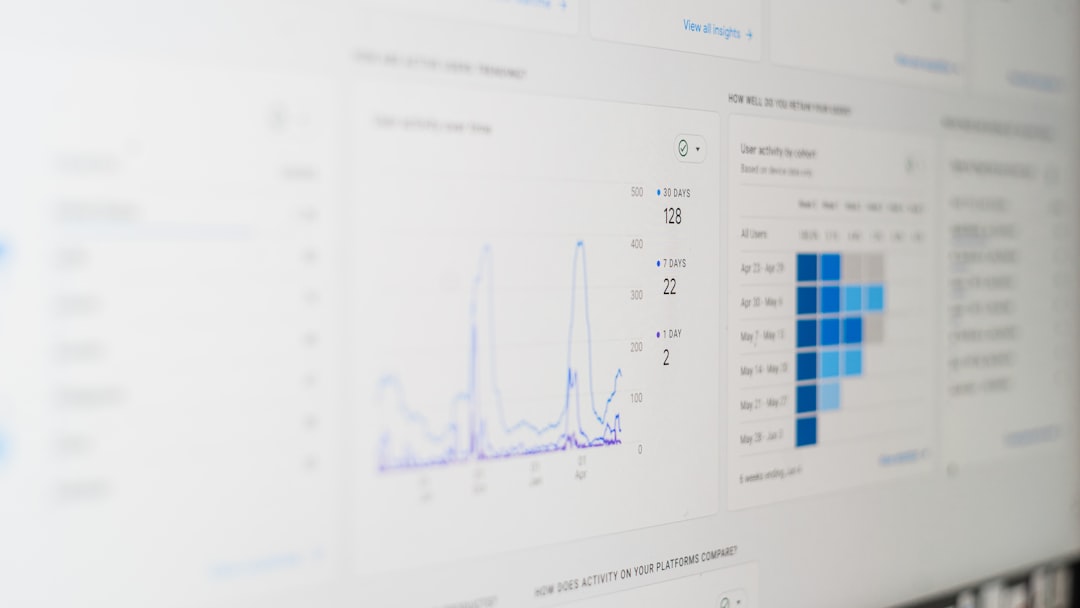
Reporting is one of the most important aspects of the Star360 platform. The reports are designed for different audiences, including classroom teachers, interventionists, school leaders, district administrators, and families. Each report serves a different purpose, from identifying students at risk to evaluating schoolwide trends.
Common types of reports include:
- Screening reports: These reports help schools identify students who may need additional academic support or further evaluation.
- Growth reports: These show how student performance changes over time and whether students are making expected progress.
- Diagnostic or instructional planning reports: These help teachers understand skill areas where students may need targeted instruction.
- Class reports: These provide a classroom-level view of performance, allowing teachers to identify patterns and plan group instruction.
- Student reports: These summarize an individual student’s performance and can be useful for conferences, intervention meetings, and progress reviews.
- Administrator reports: These offer broader views across grades, schools, or programs to support strategic planning.
Effective reporting should make data understandable without oversimplifying it. Star360 reports are generally intended to move educators from information to action. A report is most useful when it leads to a practical next step, such as adjusting instruction, reviewing curriculum alignment, forming intervention groups, or monitoring a student more closely.
Insights for Teachers and Instructional Teams
For teachers, the most immediate benefit of Star360 is the ability to see where students are performing and what they may need next. A classroom teacher can use assessment data to identify students who are ready for enrichment, students who are near grade-level expectations but need reinforcement, and students who may require intensive support.
This is especially valuable in classrooms with wide ranges of ability. Instead of planning instruction based only on the average performance of the class, teachers can make more precise decisions. For example, a reading teacher may use Star360 results to form small groups focused on vocabulary development, comprehension strategies, or fluency support. A math teacher may use the data to determine whether students need additional practice with number sense, operations, algebraic thinking, or problem solving.
Instructional teams can also use Star360 data during professional learning communities. When teachers meet to discuss student progress, shared assessment data can create a common language. Teams can compare results across classrooms, identify standards that may need reteaching, and look for differences in instructional outcomes. This supports a more collaborative and evidence-based school culture.
Support for Intervention and Progress Monitoring
Star360 is frequently used within multi-tiered systems of support, often referred to as MTSS or RTI frameworks. In these systems, students receive different levels of academic support based on need. Universal screening helps identify students who may be at risk, while progress monitoring helps determine whether interventions are working.
For students receiving targeted intervention, periodic reassessment can show whether performance is improving at an appropriate rate. If a student is not making progress, the school may need to adjust the intervention, increase instructional intensity, or conduct a deeper review of the student’s needs. If the student is progressing well, the team may decide to continue the current support or gradually reduce intervention frequency.
This process is most effective when schools establish clear procedures. Staff should know how often students will be assessed, which reports will be reviewed, who will participate in decision-making meetings, and what criteria will guide intervention changes. The platform provides data, but the school must create the system for using that data consistently and fairly.
Administrative and District-Level Insights
For school and district leaders, Star360 can provide a broader view of academic performance. Administrators can examine trends by grade level, school, subgroup, or program. This helps leaders identify strengths and challenges across the system.
District-level data may reveal curriculum gaps, inconsistent implementation, or areas where professional development is needed. For example, if multiple grade levels show weaker performance in a specific math domain, leaders may review curriculum pacing, instructional materials, or teacher training. If reading growth is stronger in one school than another, administrators may investigate instructional practices that could be shared across the district.
These insights can support more responsible resource allocation. Instead of distributing support evenly regardless of need, leaders can target coaching, intervention staff, instructional materials, and professional development where the data indicates the greatest need.
Communicating Results to Families
Assessment data should also help families understand student progress. Star360 reports can support parent-teacher conferences and academic planning conversations. However, educators should explain results in clear, nontechnical language. Families need to understand what the scores mean, how their child is progressing, and what steps the school is taking to support learning.
It is also important to avoid presenting assessment results as fixed labels. A score represents performance at a point in time, not a complete definition of a student’s ability or potential. Trustworthy communication should be balanced, respectful, and focused on growth. When families receive clear explanations and practical recommendations, they are more likely to become effective partners in the learning process.

Best Practices for Using Star360 Effectively
To get the most value from Star360, schools should treat it as part of a broader assessment and instructional system. The platform is powerful, but its impact depends on implementation quality. Educators need training, consistent procedures, and time to analyze results.
Recommended best practices include:
- Establish a clear assessment calendar so teachers know when benchmark and progress monitoring assessments will occur.
- Train staff on score interpretation to prevent confusion or misuse of data.
- Use multiple sources of evidence rather than making important decisions from one assessment alone.
- Review data collaboratively through grade-level meetings, intervention teams, or leadership teams.
- Connect reports to action by identifying specific instructional changes after reviewing results.
- Monitor equity by examining whether all student groups have access to appropriate support and opportunities.
Schools should also be thoughtful about assessment frequency. While frequent data can be helpful, overtesting can reduce instructional time and create unnecessary stress. A responsible approach balances the need for information with the need for meaningful teaching and learning time.
Limitations and Considerations
No assessment platform is perfect, and Star360 should be used with professional judgment. Short adaptive assessments can provide useful estimates of performance, but they may not capture every aspect of student learning. Writing ability, classroom discussion, creativity, persistence, and deeper reasoning often require additional forms of assessment.
Educators should also consider testing conditions. Student motivation, device issues, language proficiency, fatigue, and distractions can affect results. If a score seems inconsistent with classroom performance, teachers should review the situation carefully rather than making immediate conclusions.
Data privacy is another important consideration. Schools using assessment platforms must follow applicable privacy laws and local policies. Student data should be accessed only by authorized personnel and used for legitimate educational purposes. A trustworthy assessment system depends not only on accurate measurement, but also on responsible data governance.
Conclusion
Star360 can be a valuable assessment platform for schools seeking timely, practical, and structured academic data. Its adaptive assessments, reporting tools, and progress monitoring features can help educators identify needs, measure growth, and make better instructional decisions. The platform is especially useful when it is embedded within a thoughtful system of instruction, intervention, and collaboration.
Ultimately, the promise of Star360 is not simply in the reports it generates, but in the decisions educators make after reviewing them. When schools combine reliable assessment data with skilled teaching, careful analysis, and a commitment to student growth, the platform can contribute meaningfully to stronger academic outcomes.
Leave a Reply