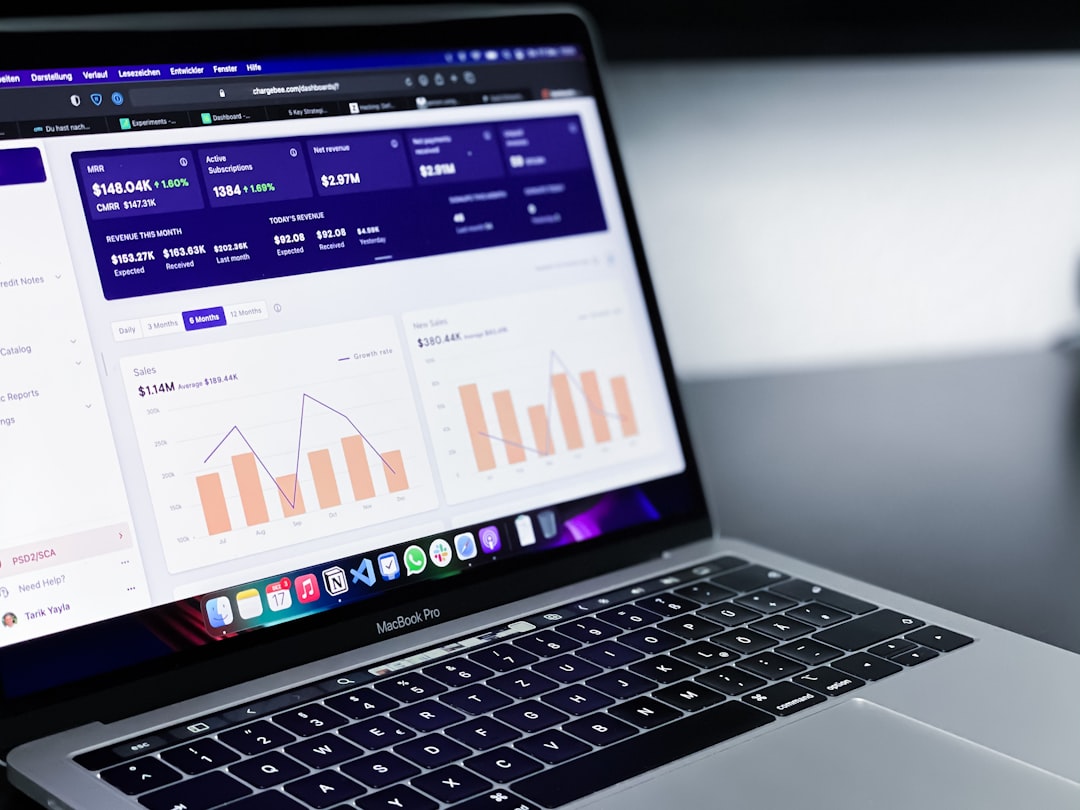
In a business environment where every marketing dollar is scrutinized, companies increasingly need partners that can connect advertising activity to measurable commercial outcomes. A performance marketing agency helps organizations plan, execute, measure, and improve campaigns with a clear focus on results such as leads, sales, subscriptions, app installs, or qualified traffic.
TLDR: A performance marketing agency is a specialized marketing partner that uses data, paid media, testing, and analytics to drive measurable business results. Unlike traditional marketing providers that may focus mainly on visibility or brand awareness, performance agencies are judged by concrete outcomes and return on investment. Their services commonly include paid search, paid social, affiliate marketing, conversion rate optimization, analytics, and campaign strategy. For businesses seeking accountable growth, such agencies can provide expertise, efficiency, and clearer insight into what is working.
What Is a Performance Marketing Agency?
A performance marketing agency is a company that manages digital marketing campaigns with the primary objective of achieving measurable results. These results may vary depending on the client’s business model, but they usually include revenue growth, lead generation, customer acquisition, app downloads, or return on ad spend.
The defining characteristic of performance marketing is accountability. Campaigns are not assessed only by impressions or reach; they are evaluated by how effectively they contribute to business goals. This requires a disciplined approach to tracking, testing, reporting, and optimization.
In many cases, performance marketing operates across channels where outcomes can be closely monitored. These include search engines, social media platforms, affiliate networks, programmatic advertising, email campaigns, and landing pages. A serious agency will not simply “run ads”; it will build a system for continuous improvement.
How Performance Marketing Differs from Traditional Marketing
Traditional marketing often emphasizes broad exposure, reputation, and long-term brand building. These goals are important, but they can be difficult to measure precisely. Performance marketing, by contrast, is more directly tied to quantifiable actions.
For example, a traditional campaign may aim to increase awareness through a print ad, billboard, or brand video. A performance campaign may aim to generate 1,000 qualified leads at a target cost per lead, or achieve a specific return on ad spend from an ecommerce campaign. Both approaches can be valuable, but they serve different purposes.
The strongest marketing strategies often combine both. Brand building creates trust and recognition, while performance marketing converts attention into measurable business value. A capable agency understands this balance and avoids treating short-term conversion metrics as the only indicator of success.
Core Services Offered by a Performance Marketing Agency
Performance marketing agencies typically provide a range of services designed to attract, convert, and retain customers. While the exact scope differs by agency, the following services are among the most common.
- Paid Search Advertising: Managing campaigns on search engines to capture users who are actively looking for products or services. This includes keyword research, ad copywriting, bidding strategy, and conversion tracking.
- Paid Social Advertising: Creating and optimizing campaigns on social platforms to reach specific audiences based on demographics, interests, behaviors, or remarketing lists.
- Display and Programmatic Advertising: Using visual ads across websites, apps, and networks to drive traffic, retarget users, or support acquisition campaigns.
- Affiliate and Partner Marketing: Building relationships with publishers, influencers, or partners who promote a product or service in exchange for performance based compensation.
- Conversion Rate Optimization: Improving landing pages, forms, checkout flows, and calls to action so that more visitors become leads or customers.
- Analytics and Tracking Setup: Implementing measurement tools, pixels, conversion events, dashboards, and attribution frameworks to ensure decisions are based on reliable data.
- Creative Testing: Developing and testing different ad visuals, messages, headlines, and offers to identify what resonates with the target audience.
- Reporting and Strategic Insights: Providing clear reports that explain campaign performance, budget allocation, opportunities, and recommended next steps.
Why Data Is Central to Performance Marketing
Data is the foundation of any credible performance marketing program. Without accurate tracking, an agency cannot determine which campaigns are profitable, which audiences are converting, or which messages should be scaled.
A trustworthy agency will pay close attention to data quality. This includes setting up conversion tracking correctly, excluding misleading metrics, reviewing attribution limitations, and ensuring reports connect marketing activity to business outcomes. Vanity metrics such as clicks and impressions may still be useful, but they should not distract from the metrics that matter most.
Important performance indicators may include:
- Cost per acquisition, which measures how much it costs to gain a new customer.
- Cost per lead, which helps evaluate lead generation efficiency.
- Return on ad spend, which compares revenue generated to media spend.
- Conversion rate, which shows how effectively traffic turns into action.
- Customer lifetime value, which estimates the long-term value of acquired customers.

Benefits of Working with a Performance Marketing Agency
One of the main benefits of hiring a performance marketing agency is access to specialized expertise. Digital advertising platforms change frequently, and effective campaign management requires technical skill, strategic judgment, and ongoing attention. An experienced agency brings knowledge from multiple industries, campaigns, and testing environments.
Another major benefit is budget efficiency. Because performance marketing is measured closely, underperforming campaigns can be corrected or stopped quickly. Budgets can then be shifted toward the channels, audiences, and creatives that produce stronger returns.
Performance agencies also offer scalability. A business may begin with a limited campaign budget and expand once results become predictable. This is especially valuable for companies that need to grow while managing risk.
In addition, agencies can provide an objective perspective. Internal teams may be close to the product, but external specialists can evaluate campaigns based on evidence rather than assumptions. This can lead to better testing, clearer prioritization, and more disciplined decision-making.
What to Look for in a Reliable Agency
Choosing the right partner is critical. Not every agency that uses performance terminology operates with the same level of rigor. A reliable agency should be transparent about its methods, realistic about expected results, and willing to explain how success will be measured.
When evaluating potential agencies, consider the following:
- Clear Measurement Framework: The agency should define goals, key performance indicators, tracking requirements, and reporting standards before launching campaigns.
- Relevant Experience: Look for experience with similar business models, whether ecommerce, B2B lead generation, software subscriptions, local services, or mobile apps.
- Transparent Reporting: Reports should be understandable, consistent, and connected to commercial outcomes rather than filled with unnecessary jargon.
- Testing Discipline: The agency should have a structured approach to testing audiences, creative assets, landing pages, bids, and offers.
- Strategic Honesty: A serious agency will not guarantee unrealistic results. It will identify risks, assumptions, and the time needed to gather useful data.
Common Mistakes Businesses Should Avoid
A frequent mistake is treating performance marketing as a quick fix. While paid campaigns can generate faster feedback than many other marketing channels, sustainable performance still requires planning, testing, and refinement. Results may improve significantly over time, but only if campaigns are managed carefully.
Another mistake is focusing only on the lowest possible cost per lead or sale. Cheap conversions are not always valuable conversions. A campaign that generates fewer but better qualified customers may be more profitable than one that produces high volume with poor quality.
Businesses should also avoid neglecting the post-click experience. Even the best ad campaign can fail if the landing page is confusing, the offer is weak, or the sales follow-up process is slow. Performance marketing works best when advertising, website experience, analytics, and sales operations are aligned.

Conclusion
A performance marketing agency helps businesses turn digital advertising into a measurable growth engine. Its value lies not only in campaign execution, but also in strategy, analytics, optimization, and accountability. By focusing on outcomes such as leads, sales, and return on investment, these agencies provide a practical framework for making marketing decisions with greater confidence.
For organizations that want serious, data informed growth, working with the right performance marketing agency can be a strong investment. The best results come from choosing a partner that combines technical skill with strategic judgment, transparent communication, and a disciplined commitment to continuous improvement.
Leave a Reply