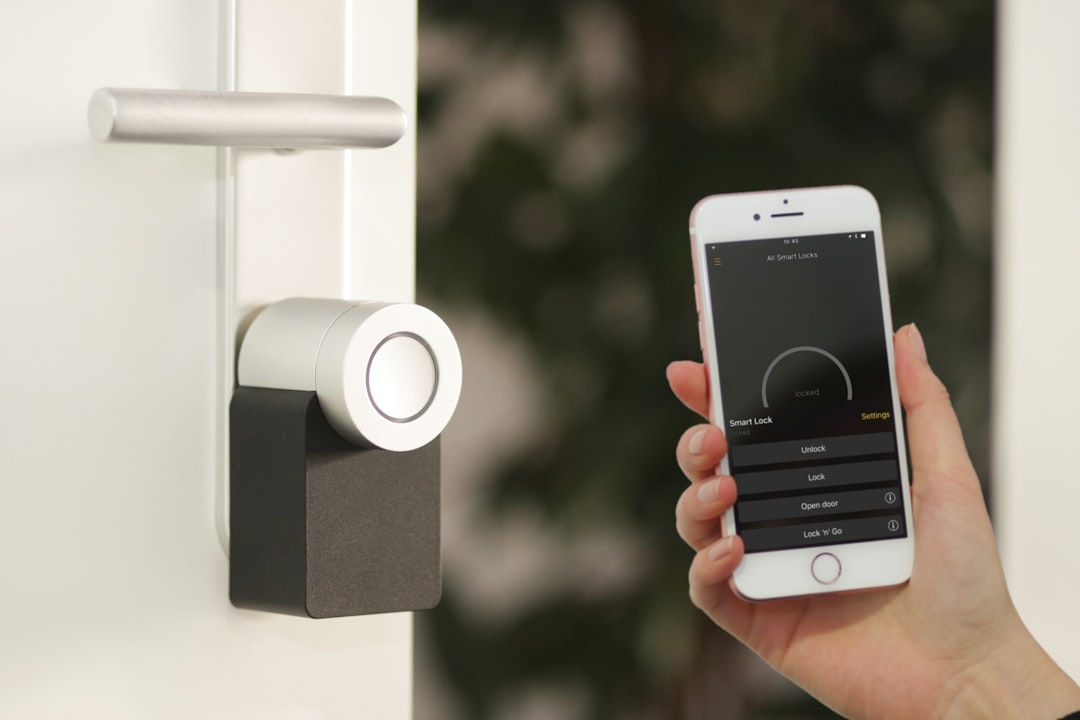
Connected devices are no longer a futuristic idea; they are part of daily life, business operations, and critical infrastructure. From smart thermostats that learn your routines to factory sensors that predict machine failures, connected technology is changing how people and organizations collect data, automate tasks, and make decisions. Two terms often appear in this space: IoT and IIoT. They sound similar, but they serve different purposes and operate in very different environments.
TLDR: IoT, or the Internet of Things, generally refers to connected devices used in homes, offices, consumer products, and everyday services. IIoT, or the Industrial Internet of Things, is a specialized branch of IoT focused on industrial environments such as manufacturing, energy, transportation, and utilities. The biggest differences are scale, reliability, security requirements, data complexity, and the consequences of failure. In simple terms, IoT makes life more convenient, while IIoT helps make industrial systems safer, smarter, and more efficient.
What Is IoT?
IoT stands for the Internet of Things. It describes a network of physical devices connected to the internet or to each other, allowing them to collect, send, and sometimes act on data. These devices can include sensors, appliances, wearables, cameras, vehicles, and many other objects that were once “offline.”
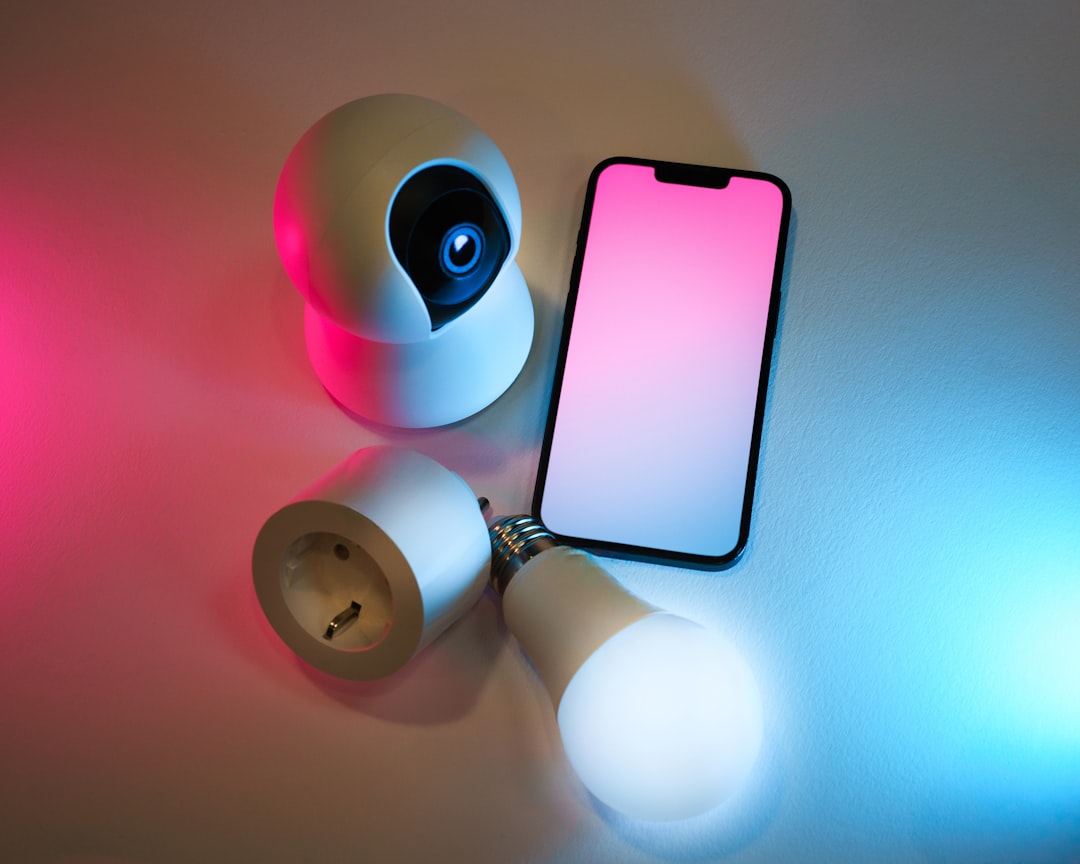
In everyday life, IoT is easy to recognize. A smartwatch tracks your heart rate, a smart speaker responds to voice commands, and a home security camera sends alerts to your phone. These devices are designed to be convenient, user-friendly, and relatively affordable.
- Smart home devices: thermostats, lights, locks, speakers, and appliances
- Wearables: fitness trackers, smartwatches, health monitors
- Connected vehicles: navigation systems, diagnostics, entertainment features
- Retail and office tools: inventory sensors, smart printers, occupancy monitors
The main purpose of IoT is to improve comfort, convenience, personalization, and efficiency. It helps users save time, reduce energy use, monitor activity, and control devices remotely.
What Is IIoT?
IIoT stands for the Industrial Internet of Things. It is part of the broader IoT category, but it focuses specifically on industrial operations. IIoT connects machines, sensors, control systems, production lines, and enterprise software to improve performance in demanding environments.
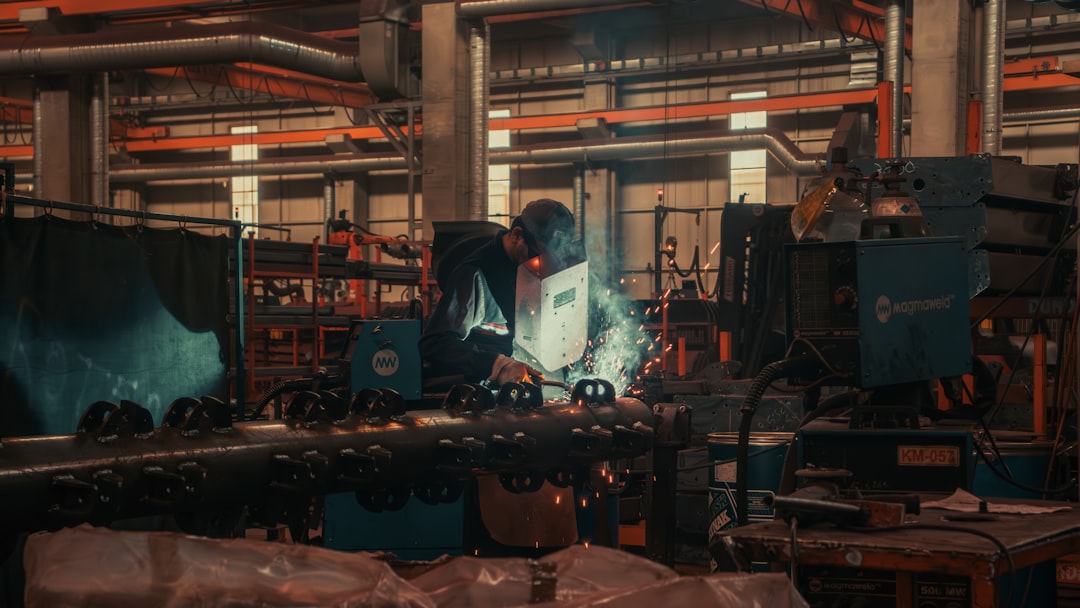
You will find IIoT in factories, power plants, oil refineries, mines, ports, warehouses, rail networks, and water treatment facilities. Instead of helping someone turn off a light from a smartphone, IIoT may help a manufacturer identify a failing motor before it stops an entire production line.
- Manufacturing: machine monitoring, robotics, quality control, predictive maintenance
- Energy: smart grids, wind turbine monitoring, power plant optimization
- Transportation: fleet tracking, railway signaling, port automation
- Utilities: water systems, wastewater treatment, pipeline monitoring
IIoT systems often combine connected sensors, industrial control systems, cloud platforms, edge computing, artificial intelligence, and advanced analytics. The goal is not just convenience; it is operational excellence, safety, uptime, and cost reduction.
The Core Difference: Consumer Convenience vs Industrial Performance
The simplest way to understand the difference is this: IoT is usually people-centered, while IIoT is process-centered. IoT often focuses on improving personal experiences or simplifying routine tasks. IIoT focuses on improving industrial systems, where every second of downtime can be expensive and every error can have serious consequences.
For example, if a smart light bulb fails, the result is usually minor inconvenience. If an IIoT sensor fails in a chemical plant, the impact could involve lost production, equipment damage, environmental risk, or worker safety concerns. This difference changes everything about how the technology is designed, deployed, secured, and maintained.
Key Differences Between IoT and IIoT
1. Purpose and Use Case
IoT is built around convenience, automation, and personalization. It helps individuals and businesses manage connected devices more easily.
IIoT is built around productivity, reliability, and safety. It helps industrial organizations monitor assets, optimize processes, prevent failures, and improve decision-making.
2. Reliability Requirements
Consumer IoT devices are useful, but they are not always mission-critical. A smart speaker going offline is frustrating, but not catastrophic. In IIoT, reliability is essential. Systems may need to operate continuously for years in harsh conditions involving heat, dust, vibration, moisture, or electromagnetic interference.
This is why IIoT hardware is often more rugged and expensive. It must support industrial standards and perform consistently in environments where ordinary consumer devices would quickly fail.
3. Data Volume and Complexity
IoT devices often collect relatively simple data: temperature, location, motion, usage, or health metrics. IIoT systems can collect enormous amounts of high-frequency data from thousands of sensors, machines, and control systems.
Industrial data may include vibration patterns, pressure readings, flow rates, acoustic signals, electrical loads, production speeds, and machine vision outputs. This data is often analyzed in real time to identify anomalies and trigger automated responses.
4. Security Concerns
Security matters in both IoT and IIoT, but the stakes are usually higher in IIoT. A hacked smart camera can compromise privacy; a hacked industrial control system can interrupt production, damage equipment, or threaten public safety.
IIoT security often requires layered protection, including network segmentation, identity management, encryption, continuous monitoring, access controls, secure firmware updates, and compliance with industry standards. Many industrial systems also include older equipment that was never designed to be connected, making security even more challenging.
5. Latency and Real-Time Response
Latency refers to the delay between data being collected and action being taken. In consumer IoT, a short delay may not matter much. In IIoT, milliseconds can be important. A robotic arm, emergency shutdown system, or automated production line may need immediate responses.
That is why IIoT often uses edge computing, where data is processed close to the machine instead of being sent only to the cloud. This reduces delay, saves bandwidth, and keeps essential operations running even if internet connectivity is interrupted.
6. Integration with Existing Systems
IoT products usually work through apps, cloud platforms, and consumer ecosystems. IIoT must integrate with older industrial systems such as programmable logic controllers, supervisory control and data acquisition systems, manufacturing execution systems, and enterprise resource planning software.
This integration can be complex because industrial facilities often use equipment from different vendors and different eras. Successful IIoT projects require careful planning, interoperability, and a strong understanding of operational technology.
Where IoT and IIoT Overlap
Although they differ in purpose and complexity, IoT and IIoT share important similarities. Both rely on connected devices, sensors, networks, data platforms, and analytics. Both can use cloud computing, mobile interfaces, automation, and artificial intelligence. In many cases, the boundary between them is not perfectly clear.
For example, a smart building system used in an office may look like IoT when it controls lighting and temperature for comfort. But if the same system manages energy consumption across a large industrial campus, monitors equipment health, and supports compliance reporting, it begins to resemble IIoT.
Why IIoT Is Transforming Industry
IIoT is a major driver of what is often called Industry 4.0, a shift toward intelligent, connected, and automated industrial operations. By combining real-time data with analytics, companies can move from reactive maintenance to predictive maintenance. Instead of repairing equipment after it breaks, they can service it before failure occurs.
The benefits can be substantial:
- Reduced downtime through early fault detection
- Lower maintenance costs with predictive servicing
- Improved safety through continuous monitoring
- Better quality control using real-time production data
- Greater energy efficiency across facilities and equipment
- Smarter supply chains with asset tracking and demand visibility

Which One Matters More?
It is not really a question of which is more important. IoT and IIoT solve different problems. IoT improves daily experiences and helps people interact with technology more naturally. IIoT improves industrial performance and helps organizations operate complex systems more safely and efficiently.
For consumers, IoT may be more visible because it appears in homes, cars, and personal devices. For economies and infrastructure, IIoT may have a deeper impact because it supports manufacturing, logistics, energy, agriculture, and utilities.
Final Thoughts
IoT and IIoT are closely related, but they are not interchangeable. IoT connects everyday devices to make life easier, while IIoT connects industrial assets to make operations smarter, safer, and more reliable. The difference lies not only in the devices themselves, but in the expectations placed on them: IIoT must handle higher stakes, harsher environments, stricter security, and more complex data.
As connected technology continues to evolve, both IoT and IIoT will become more common and more powerful. Whether it is a thermostat learning your schedule or a turbine predicting its own maintenance needs, the real value comes from turning data into better decisions.
Leave a Reply