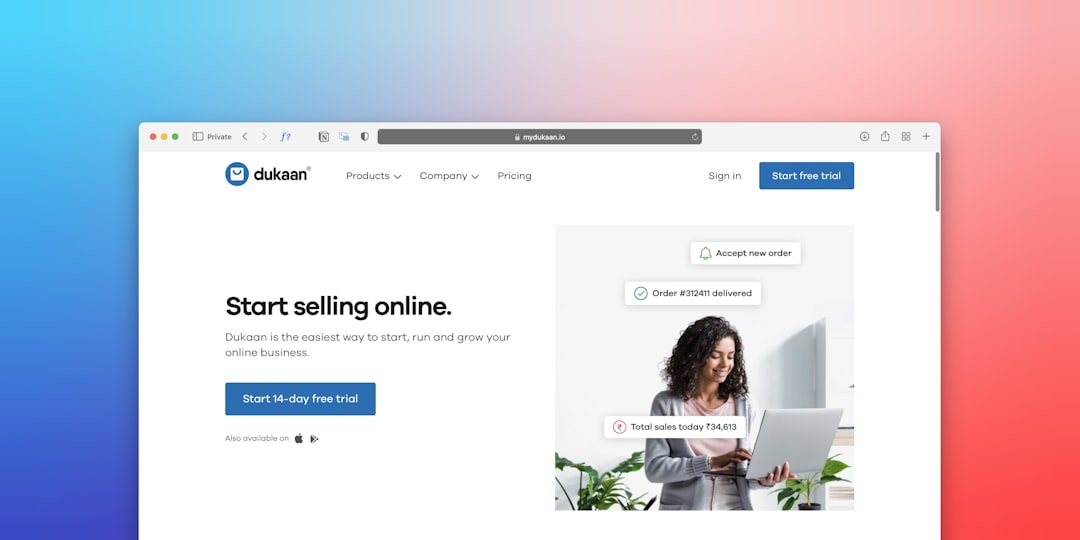
Great copy does more than sound clever; it guides a reader toward a clear action. For a beginner, copywriting can feel like a mix of psychology, sales, creativity, and structure. In practice, it is the art of understanding what an audience wants, explaining an offer clearly, and making the next step feel easy and worthwhile.
TLDR: Copywriting that converts begins with knowing the audience, identifying a strong benefit, and writing in a clear, persuasive way. A beginner should focus on headlines, customer pain points, proof, calls to action, and simple language. The best copy is not about sounding impressive; it is about helping a reader understand why an offer matters and what to do next.
What Is Copywriting?
Copywriting is writing designed to persuade. It appears in ads, landing pages, emails, product descriptions, social media captions, sales pages, brochures, and website buttons. Unlike general content writing, which may educate or entertain, copywriting has a specific goal: to encourage action.
That action might be buying a product, booking a consultation, joining an email list, downloading a guide, or clicking a link. Successful copy gives the reader enough confidence, interest, and motivation to move forward.

The Foundation: Know the Audience
Before a single line is written, the copywriter needs to understand the target audience. A message that converts one group may fail with another. Strong copy begins with research into the reader’s desires, fears, objections, habits, and level of awareness.
A beginner should ask questions such as:
- Who is the ideal customer?
- What problem is this person trying to solve?
- What has this person already tried?
- What outcome does this person truly want?
- What doubts might prevent action?
The more specific the audience, the easier it becomes to write copy that feels personal. Instead of saying, “This software helps businesses save time,” stronger copy might say, “This scheduling tool helps busy salon owners reduce missed appointments and spend less time managing bookings.”
Lead With Benefits, Not Just Features
A common beginner mistake is focusing only on features. Features describe what a product or service has. Benefits explain why those features matter.
For example:
- Feature: The backpack has waterproof fabric.
- Benefit: The customer’s laptop and documents stay dry during rainy commutes.
Features are useful, but benefits create desire. Good copy connects the two. It shows the reader how the offer improves life, saves time, reduces stress, increases confidence, or solves a pressing problem.
Write a Strong Headline
The headline is often the most important piece of copy because it decides whether the reader continues. A strong headline should be clear, relevant, and benefit-focused. It does not need to be flashy; it needs to communicate value quickly.
Effective headline formulas include:
- How to + achieve a result: How to Write Emails That Get More Replies
- Number + outcome: 7 Simple Ways to Improve Website Conversions
- Problem + solution: Struggling With Low Sales? Build a Landing Page That Works
- Promise + audience: Fast Meal Plans for Busy Parents
A beginner should avoid vague headlines such as “Welcome to Better Solutions”. Specificity usually wins because readers want to know what is in it for them.
Use Simple, Direct Language
Copywriting is not about showing off vocabulary. In most cases, simple language converts better because it reduces friction. The reader should not have to decode the message.
Sentences should be concise. Paragraphs should be short. Important points should be easy to scan. When copy is clear, the offer feels easier to understand and trust.
Instead of writing, “Our advanced, multidimensional productivity framework facilitates enhanced operational efficiency,” stronger copy might say, “The system helps teams finish more work in less time.”
Address Pain Points and Desires
People take action when they recognize that a message speaks to their situation. This is why effective copy often reflects both pain points and desired outcomes.
Pain points may include wasted time, lost money, confusion, frustration, embarrassment, risk, or missed opportunities. Desired outcomes may include comfort, status, freedom, security, growth, convenience, or confidence.

However, ethical copywriting does not manipulate fear. It acknowledges real problems and presents a relevant solution. The goal is to make the reader feel understood, not pressured.
Add Proof and Credibility
Readers are naturally skeptical. They may wonder if a product really works, if a service is worth the price, or if a company can be trusted. Proof helps reduce doubt.
Useful forms of proof include:
- Testimonials from satisfied customers
- Case studies showing measurable results
- Statistics that support a claim
- Reviews or ratings
- Guarantees that reduce risk
- Credentials, certifications, or years of experience
Claims should be specific whenever possible. “Customers love this course” is weaker than “More than 2,000 students have used this course to build their first portfolio.”
Create a Clear Call to Action
A call to action, often called a CTA, tells the reader what to do next. Without a clear CTA, even interested readers may leave without acting.
Common CTAs include:
- Buy Now
- Book a Free Call
- Download the Guide
- Start the Free Trial
- Join the Newsletter
A strong CTA should be visible, action-oriented, and connected to the reader’s benefit. For example, “Start Saving Time Today” may feel more persuasive than “Submit.”
Follow a Proven Copywriting Formula
Beginners often write better copy when they use a structure. One of the most popular formulas is AIDA:
- Attention: Start with a headline or opening that grabs interest.
- Interest: Explain the problem, opportunity, or key idea.
- Desire: Show benefits, proof, and emotional relevance.
- Action: Tell the reader exactly what to do next.
Another useful formula is PAS:
- Problem: Identify the reader’s challenge.
- Agitate: Explain why the problem matters.
- Solution: Present the offer as the way forward.
These formulas are not rigid rules, but they help a beginner avoid disorganized copy.
Edit for Clarity and Conversion
The first draft is rarely the strongest version. Editing turns ordinary copy into persuasive copy. During revision, the writer should remove unnecessary words, sharpen benefits, strengthen the CTA, and make the message easier to scan.
A useful editing checklist includes:
- Is the main benefit clear within the first few lines?
- Does the copy speak to a specific audience?
- Are the claims believable and supported?
- Is there one obvious next step?
- Can any sentence be shorter or clearer?

Test and Improve
Conversion-focused copywriting improves through testing. A headline, CTA, email subject line, or landing page section can often be refined based on real performance. Small changes sometimes create significant results.
A beginner should pay attention to metrics such as click-through rates, sign-ups, purchases, bounce rates, and email replies. Data shows what the audience actually does, not just what the writer believes will work.
Conclusion
Copywriting that converts is built on clarity, empathy, structure, and trust. A beginner does not need complicated tricks to write effective copy. By understanding the audience, emphasizing benefits, using proof, and giving a clear call to action, the writer can create messages that guide readers naturally toward a decision.
FAQ
What is the main goal of copywriting?
The main goal of copywriting is to persuade a reader to take a specific action, such as buying, subscribing, clicking, booking, or downloading.
What is the difference between copywriting and content writing?
Copywriting is focused on persuasion and conversion, while content writing is usually focused on education, engagement, or information. Both can support marketing, but their immediate goals are different.
Can a beginner learn copywriting without experience?
Yes. A beginner can learn by studying examples, practicing headlines, rewriting ads, understanding customer psychology, and testing different messages.
What makes copy convert better?
Copy usually converts better when it is clear, audience-specific, benefit-driven, credible, easy to scan, and supported by a strong call to action.
How long should marketing copy be?
Marketing copy should be as long as needed to answer the reader’s questions and overcome objections, but no longer. Simple offers may need short copy, while complex or expensive offers often need more detail.
Leave a Reply