
Every few months, someone claims to have found a shortcut for “beating” the Facebook algorithm. In reality, there is no reliable cheat code, and attempts to manipulate reach often backfire. Facebook’s ranking system is designed to predict what people are most likely to find meaningful, useful, or entertaining. The brands and creators that grow consistently are not tricking the algorithm; they are aligning their content with the signals it already rewards.
TLDR: You cannot safely “cheat” the Facebook algorithm, but you can improve organic reach by making your content more relevant, engaging, and trustworthy. Ethical strategies include understanding audience behavior, encouraging meaningful interactions, publishing consistently, and using formats Facebook users naturally engage with. The goal is not to game the system, but to create content people genuinely want to see, share, and discuss.
What the Facebook Algorithm Actually Rewards
Facebook’s algorithm ranks posts based on many signals, including who posted the content, how users have interacted with that account before, the type of content being shared, and the likelihood that a person will engage with it. It also evaluates content quality, originality, engagement patterns, and user feedback.
This means that organic reach is not random. It is influenced by the relationship between your page and your audience. If people regularly pause, comment, share, click, watch, or react to your posts, Facebook receives signals that your content may be worth showing to more people.
However, not all engagement is equal. Meaningful comments, shares with context, and longer viewing time are generally more valuable than shallow reactions or forced interaction tactics.
1. Create Content for Conversations, Not Just Reactions
One of the most effective ethical ways to increase reach is to publish content that encourages real discussion. Facebook has repeatedly emphasized the importance of meaningful interactions, especially between people who know each other.
Instead of posting generic prompts like “Comment YES if you agree,” ask questions that invite thoughtful responses. For example:
- Instead of: “Do you like this product?”
- Try: “What is the biggest problem you face when choosing a product like this?”
- Instead of: “Tag a friend!”
- Try: “Who would benefit most from this advice, and why?”
The difference matters. Engagement bait may temporarily increase activity, but platforms are better at detecting low-quality tactics. Authentic discussion builds trust and creates stronger long-term signals.
2. Post When Your Audience Is Most Likely to Engage
Timing alone will not rescue weak content, but it can help strong content get early traction. When a post receives engagement soon after publishing, it may be shown to more people. That makes your posting schedule important.
Use Facebook Insights or Meta Business Suite to identify when your followers are most active. Look for patterns by day and time, but also consider context. A business audience may engage during weekday mornings, while a lifestyle community may be more active during evenings or weekends.
Do not rely on universal “best time to post” advice. Your best time depends on your audience, location, industry, and content type. Test different posting windows, review results regularly, and adjust based on actual data.
3. Prioritize Original, Useful Content
Facebook has become increasingly focused on originality. Reposting the same memes, recycled videos, or generic stock content rarely builds strong reach over time. Original content gives users a reason to follow your page specifically instead of seeing the same material elsewhere.
Useful content often performs well because people save it, share it, or return to it. This might include:
- Practical tips or tutorials
- Behind-the-scenes explanations
- Industry insights or expert commentary
- Case studies and lessons learned
- Checklists, comparisons, or simple guides
The goal is to become a reliable source. If users consistently feel that your posts help them make better decisions, solve problems, or understand something more clearly, they are more likely to engage in ways the algorithm recognizes.

4. Use Video and Reels Strategically
Video remains an important format on Facebook, especially short-form video. Reels can expose your content to people who do not already follow your page, while longer videos may build stronger watch-time signals when the content is compelling.
To use video ethically and effectively, focus on clarity and retention:
- Start with a strong opening in the first few seconds.
- Make the topic clear immediately.
- Use captions, since many people watch without sound.
- Keep the video focused on one main idea.
- Avoid misleading hooks that do not match the content.
A serious content strategy does not chase views at any cost. Misleading thumbnails, exaggerated claims, or clickbait introductions may produce short-term attention, but they can damage credibility and reduce trust over time.
5. Build Community, Not Just an Audience
Pages that treat Facebook as a broadcast channel often struggle with organic reach. The platform is social by design, so community behavior matters. Responding to comments, asking follow-up questions, and acknowledging useful contributions can increase the depth of engagement on your posts.
Consider creating recurring content formats that people recognize and look forward to, such as:
- Weekly Q&A posts where followers can ask practical questions
- Customer spotlight posts that highlight real stories
- Behind-the-scenes updates that make your brand more human
- Discussion threads around relevant industry changes
This approach encourages followers to return. The more often people intentionally interact with your page, the more likely Facebook is to understand that the relationship is meaningful.
6. Avoid Engagement Bait and Manipulative Tactics
If the question is “Can you cheat the Facebook algorithm?” the most responsible answer is: not in a way that is sustainable or safe. Tactics such as buying followers, joining engagement pods, repeatedly asking for likes and shares, or using misleading headlines can harm performance.
These methods create low-quality signals. Purchased followers usually do not care about your content. Engagement pods produce artificial interaction that rarely leads to meaningful audience growth. Clickbait may trigger negative feedback if users feel misled.
Facebook’s systems are designed to reduce the visibility of content that appears spammy, manipulative, or low quality. Even when shortcuts seem to work briefly, they often weaken the health of the page in the long term.
7. Measure the Right Metrics and Improve Continuously
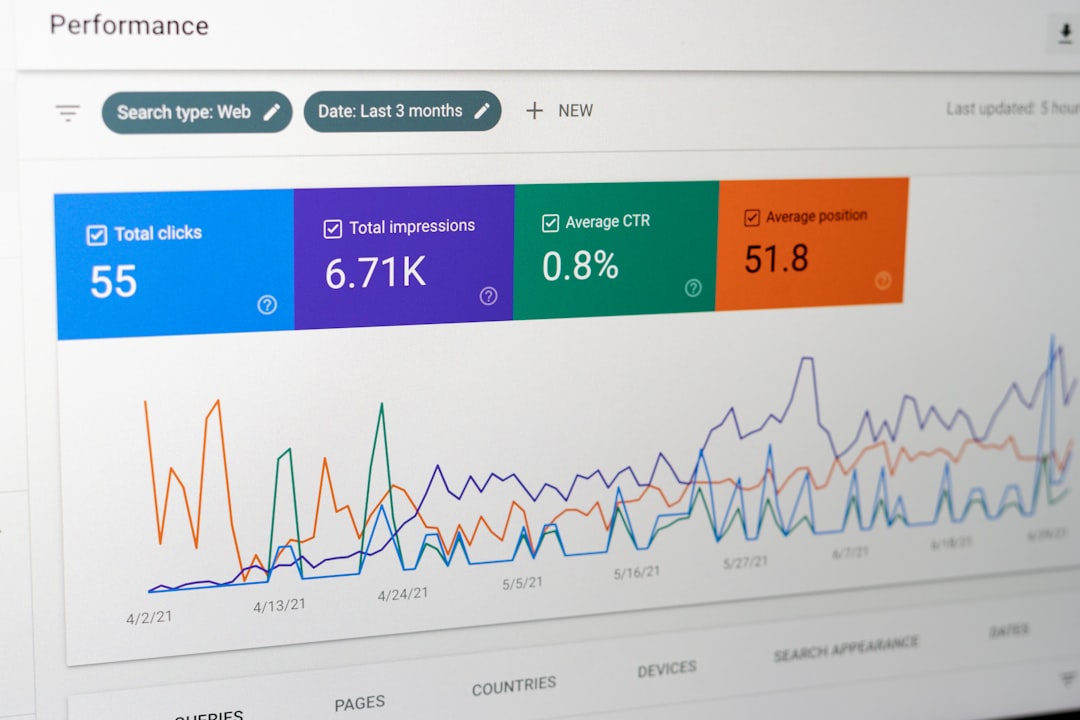
Organic reach is important, but it should not be the only metric you track. A post that reaches fewer people but generates qualified comments, clicks, saves, or leads may be more valuable than a viral post that attracts the wrong audience.
Review your performance with a balanced set of metrics:
- Reach: How many people saw the post?
- Engagement rate: What percentage interacted?
- Comments quality: Are people having real conversations?
- Shares: Are users willing to pass it along?
- Click-throughs: Did the post inspire action?
- Watch time: Did viewers stay with your video?
Look for patterns rather than isolated successes. If educational posts consistently outperform promotional posts, publish more education. If short videos generate reach but carousels generate deeper discussion, use each format for the right purpose.
The Ethical “Algorithm Advantage”
The closest thing to cheating the Facebook algorithm is understanding what it is built to do: connect people with content they are likely to value. Ethical reach strategies work because they respect that purpose. They do not rely on deception, automation, or hollow engagement. They rely on relevance, consistency, quality, and community.
For businesses and creators, this requires patience. Organic growth is rarely instant, especially in a competitive feed. But a trustworthy strategy compounds over time. Each useful post, thoughtful reply, and meaningful conversation gives your audience another reason to pay attention.
So, can you cheat the Facebook algorithm? Not responsibly. But you can work with it. Create content that earns attention honestly, study how your audience responds, and refine your approach with discipline. That is not a loophole; it is the most reliable path to lasting organic reach.
Leave a Reply