
Slack is more than a place for project updates and meeting reminders. When used intentionally, it can become a lightweight culture platform where employees connect, share wins, and build trust across departments. The key is to create channels that feel welcoming, purposeful, and easy to participate in without becoming distracting.
TLDR: Fun Slack channels can improve employee engagement when they encourage connection, recognition, learning, and informal conversation. The best channels are simple, inclusive, and aligned with your company culture. Start with a few well-defined ideas, set light guidelines, and review participation regularly to keep them useful rather than noisy.
Why Fun Slack Channels Matter
Employee engagement is not built only through formal initiatives, annual surveys, or company-wide meetings. It is often shaped by small daily interactions: a thoughtful comment, a shared photo, a public thank-you, or a quick laugh during a busy week. Fun Slack channels help create those moments in a structured but low-pressure way.
For remote and hybrid teams, these channels are especially valuable. They give employees who may rarely meet in person a way to build familiarity and psychological safety. For office-based teams, they can strengthen cross-functional connections that might not happen naturally. The goal is not to force “fun,” but to create spaces where people can choose to participate comfortably.

1. #wins-and-kudos
A dedicated recognition channel is one of the most effective ways to boost morale. In #wins-and-kudos, employees can celebrate completed projects, helpful colleagues, positive customer feedback, or personal milestones related to work. Recognition becomes visible, timely, and part of the everyday rhythm of the company.
To make this channel meaningful, encourage specificity. Instead of “Great job, Alex,” a better post would be, “Thank you, Alex, for staying late to fix the reporting issue before the client meeting. Your attention to detail helped the whole team.” Specific praise reinforces the behaviors your organization values.
- Best for: Recognition, morale, values reinforcement
- Tip: Leaders should participate regularly, but not dominate the channel
2. #watercooler
The classic #watercooler channel gives employees a place for casual conversation that does not fit into work-specific channels. People can discuss weekend plans, interesting articles, local events, light humor, or everyday observations. It acts as a digital version of the informal conversations that happen in hallways or break rooms.
This channel works best when expectations are clear. Keep it friendly, inclusive, and respectful. Avoid controversial topics unless your organization has a strong culture of facilitated discussion. The channel should help people relax and connect, not create tension or overwhelm.
- Best for: Informal bonding, casual conversation, team familiarity
- Tip: Pin a short etiquette note so employees understand the tone
3. #pet-corner
Few channels generate engagement as naturally as a pet channel. Employees can share photos of dogs, cats, birds, rabbits, or any other animal companions. Even team members without pets often enjoy reacting to posts and joining the conversation.
#pet-corner is effective because it gives people a safe, personal topic to discuss. It allows employees to reveal a small part of their life outside work without requiring a deep level of vulnerability. Over time, these small personal connections can make collaboration feel warmer and more human.

- Best for: Light engagement, personal connection, remote team bonding
- Tip: Create weekly prompts such as “sleepiest pet photo” or “pet work buddy of the week”
4. #recommendations
A #recommendations channel invites employees to share books, podcasts, restaurants, productivity tools, films, articles, recipes, and local activities. This type of channel creates value because it combines personal interests with practical discovery. It can also reveal unexpected common ground among team members.
To keep it organized, consider using simple tags within posts, such as [Book], [Podcast], [Food], or [Travel]. This makes it easier for people to scan the channel and find what interests them. Over time, the channel can become a useful internal library of trusted suggestions.
- Best for: Knowledge sharing, lifestyle interests, cross-team connection
- Tip: Ask employees to include one sentence explaining why they recommend something
5. #wellbeing-checkin
Workplace fun should not be limited to jokes and memes. A healthy culture also gives space for wellbeing, balance, and sustainable performance. A #wellbeing-checkin channel can include short wellness prompts, mindfulness resources, walking challenges, hydration reminders, or discussions about healthy work habits.
This channel should be supportive rather than prescriptive. Avoid making employees feel pressured to disclose personal health information or participate in wellness trends. Instead, keep the focus on practical encouragement: taking breaks, managing energy, sharing helpful routines, and respecting boundaries.
- Best for: Sustainable engagement, burnout prevention, supportive culture
- Tip: Use optional prompts such as “What is one small reset you are taking today?”
6. #learning-lab
A #learning-lab channel brings professional development into the daily workflow. Employees can share short lessons, industry updates, course recommendations, conference notes, or useful templates. While it is still engaging and informal, it supports a serious business goal: continuous learning.
This channel is particularly valuable for teams that want to encourage knowledge sharing without scheduling more meetings. A designer might share a usability insight, a salesperson might share a customer trend, and an engineer might explain a useful shortcut. The result is a culture where learning is visible and collaborative.
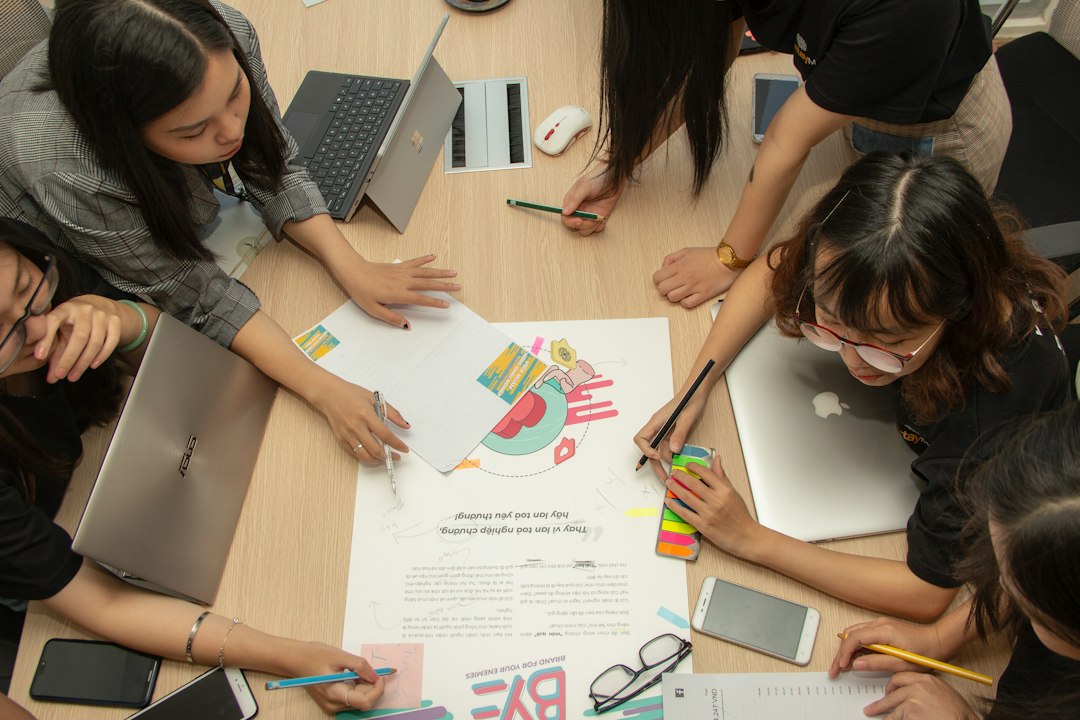
- Best for: Professional development, internal knowledge sharing, innovation
- Tip: Introduce “Friday five-minute lessons” where employees share one quick takeaway
7. #random-acts-of-kindness
A #random-acts-of-kindness channel encourages employees to notice and share positive actions. These might include helping a new hire, covering a task for a colleague, sharing useful notes after a meeting, or simply making someone’s day easier. Unlike a formal recognition channel, this space focuses on everyday kindness and teamwork.
This channel can have a subtle but powerful effect on culture. It teaches people to look for helpful behavior and reinforces the idea that small actions matter. Over time, it can improve trust, cooperation, and empathy across the organization.
- Best for: Empathy, team support, positive culture habits
- Tip: Keep the tone genuine and avoid turning kindness into a competition
How to Keep Fun Slack Channels Effective
Even the best channel ideas can lose value if they become too noisy, unclear, or disconnected from employee needs. Start with a small number of channels and expand only when there is real demand. Too many channels can fragment attention and make Slack harder to navigate.
It is also important to set light guidelines. Employees should understand what each channel is for, what kind of content is welcome, and how to participate respectfully. Guidelines do not need to be rigid, but they should protect inclusivity and professionalism.
Leaders and managers play an important role. Their participation signals that culture-building is valued, not just tolerated. However, they should avoid over-managing these spaces. The most successful fun channels feel employee-led, authentic, and voluntary.
Practical Setup Tips
- Use clear names: Channel names should be easy to understand at a glance.
- Add descriptions: A one-sentence purpose helps employees know what to post.
- Pin guidelines: Keep expectations visible, especially for larger teams.
- Encourage opt-in participation: Not everyone will enjoy every channel, and that is fine.
- Review activity: Archive channels that are inactive or no longer useful.
Final Thoughts
Fun Slack channels are not a replacement for strong leadership, fair policies, or meaningful work. However, they can support a healthier team culture by making recognition, connection, and informal communication easier. When thoughtfully designed, these channels help employees feel seen as people, not only as job titles.
The best approach is to choose ideas that match your team’s personality and business environment. Begin with one or two channels, invite feedback, and let participation grow naturally. A well-run Slack community can make daily work feel more connected, more supportive, and more engaging for everyone.
Leave a Reply