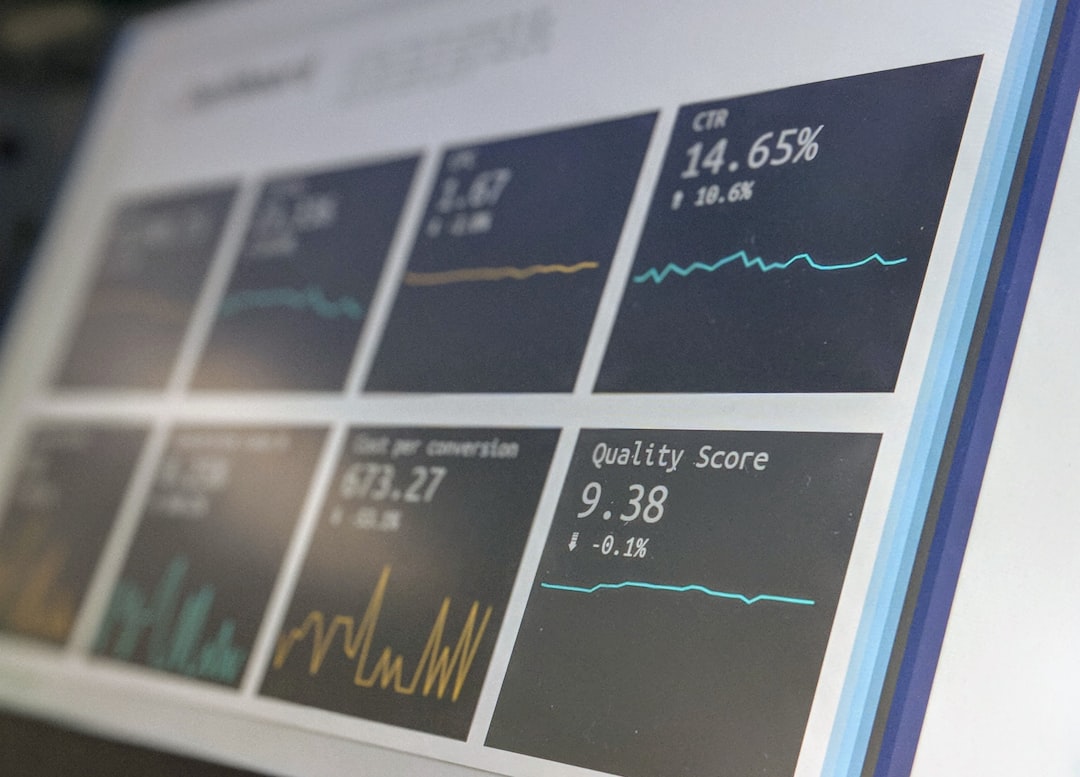
Competitor keyword research is like peeking at the other team’s playbook. Not to copy. To learn. In SEO and PPC, the right keywords can save money, win traffic, and stop guesswork. In 2026, the best tools do more than show keywords. They show ads, rankings, content gaps, costs, and intent.
TLDR: The best competitor keyword research tools for 2026 are Semrush, Ahrefs, SpyFu, Similarweb, SE Ranking, Serpstat, and iSpionage. Use Semrush or Ahrefs if you want deep SEO data. Use SpyFu or iSpionage if PPC is your main game. Pick the tool that matches your budget, team size, and campaign goals.
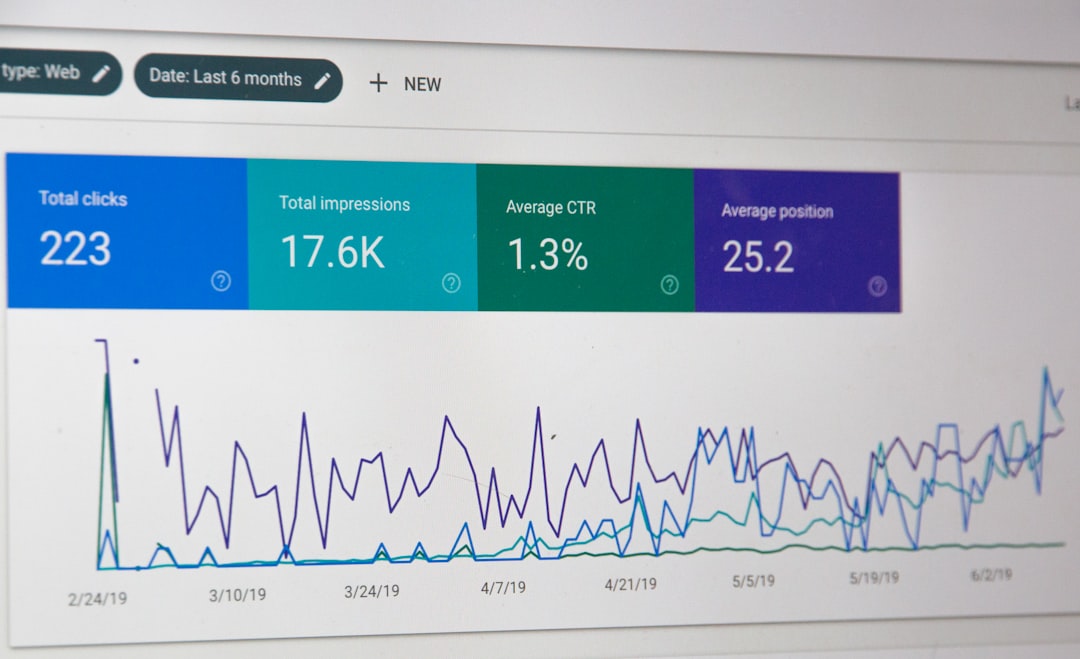
Why Competitor Keyword Research Matters
Your competitors are already testing keywords. Some work. Some burn cash like a tiny bonfire. A good keyword tool helps you spot the winners faster.
For SEO, you can find keywords your rivals rank for. Then you can build better pages. For PPC, you can see which paid terms they target. Then you can plan smarter bids and ads.
Think of it as market research with a cape. Less guessing. More winning.
1. Semrush
Best for: teams that want one big toolbox for SEO and PPC.
Semrush is a giant in keyword research. It lets you enter a competitor’s domain and see their organic keywords, paid keywords, top pages, ads, and traffic trends. It also has a strong Keyword Gap tool. This shows what your competitors rank for that you do not.
For PPC, Semrush can show ad copy, estimated spending, and paid search rivals. This is great when you want to know who is bidding on your dream keywords.
- Pros: huge database, great reports, strong SEO and PPC features.
- Cons: can feel busy for beginners.
- Use it when: you want a full command center.
2. Ahrefs
Best for: SEO pros who love clean data and backlink power.
Ahrefs is famous for backlinks. But it is also a beast for competitor keyword research. Its Site Explorer shows which keywords send traffic to any competing site. You can also see top pages, ranking history, and content gaps.
For PPC, Ahrefs has paid keyword data in many markets. It is not as PPC-focused as SpyFu or iSpionage. Still, it helps you understand where paid and organic strategies overlap.
- Pros: excellent SEO data, strong content gap research, simple interface.
- Cons: PPC data is not its main superpower.
- Use it when: SEO is your biggest traffic channel.
3. SpyFu
Best for: PPC competitor spying without a scary learning curve.
SpyFu has the perfect name. It is made for finding what competitors do in Google Ads and organic search. Type in a domain. SpyFu shows keywords they buy, keywords they rank for, ad history, and estimated spend.
The best part is its historic PPC data. You can see if a competitor has advertised on a term for months or years. If they keep paying for it, there may be money there. Or at least a very stubborn marketing manager.
- Pros: great PPC history, easy to use, useful competitor reports.
- Cons: less deep for technical SEO.
- Use it when: you want fast paid search insights.

4. Similarweb
Best for: seeing the bigger traffic picture.
Similarweb is not just a keyword tool. It is a market intelligence tool. That means it helps you see where competitor traffic comes from. Search, social, display ads, referrals, and more.
For keyword research, Similarweb can show which organic and paid search terms drive visits to rival sites. It is useful when you want to compare entire brands, not just single pages.
It is also handy for PPC planning. You can spot high-traffic paid terms and learn which competitors dominate a category.
- Pros: great for market trends, traffic sources, and competitor benchmarking.
- Cons: advanced plans can be pricey.
- Use it when: you need boardroom-friendly data.
5. SE Ranking
Best for: small teams that want value and clear reports.
SE Ranking has grown into a strong SEO platform. It offers competitor keyword research, rank tracking, keyword suggestions, backlink checks, and website audits.
Its competitor analysis tool shows organic and paid keywords. You can compare domains and find gaps. The interface is friendly. It does not feel like you need a pilot license.
For agencies, SE Ranking also has nice reports. That means fewer messy spreadsheets. Your clients may even smile. Maybe.
- Pros: affordable, easy to learn, good SEO and PPC views.
- Cons: database depth can vary by country.
- Use it when: you want solid features without huge cost.
6. Serpstat
Best for: flexible keyword research on a sensible budget.
Serpstat is a practical tool for SEO and PPC research. You can enter a competitor domain and view organic keywords, paid keywords, keyword difficulty, traffic estimates, and ranking changes.
Its keyword clustering and batch analysis tools are useful for content planning. You can group related keywords and build topic maps. This helps you avoid writing ten almost identical blog posts. Your readers will thank you.
For PPC, Serpstat shows ads and paid search competitors. It is useful for seeing which brands fight over the same terms.
- Pros: good value, useful keyword grouping, broad feature set.
- Cons: interface can take time to master.
- Use it when: you want many tools in one place.
7. iSpionage
Best for: PPC teams that want ad and landing page clues.
iSpionage is built for competitive PPC research. It helps you discover competitor keywords, ad copy, landing pages, and campaign history. If paid search is your battlefield, this tool brings binoculars.
One nice feature is competitor campaign tracking. You can see what ads appear again and again. Repeated ads often mean the message is working. You can learn from the angle, offer, and call to action.
iSpionage can also support SEO research, but PPC is where it shines brightest.
- Pros: strong ad intelligence, landing page insights, PPC focus.
- Cons: not as complete for SEO as all-in-one platforms.
- Use it when: Google Ads performance matters most.
How to Choose the Right Tool
Do not pick the fanciest tool. Pick the one you will actually use. Shiny dashboards are fun. Results are better.
- If you need everything: choose Semrush.
- If SEO is the main goal: choose Ahrefs.
- If PPC research is key: choose SpyFu or iSpionage.
- If you need market data: choose Similarweb.
- If budget matters: choose SE Ranking or Serpstat.
Quick Tips for Better Research
- Check at least three competitors. One rival can mislead you.
- Look for keywords with clear intent. Intent beats volume.
- Study ads that run for a long time. They may be profitable.
- Find keyword gaps. Then build better pages or ads.
- Do not copy blindly. Improve the idea.
Final Thoughts
Competitor keyword research is not about stealing. It is about learning faster. The best tools show where rivals win, where they waste money, and where you can sneak in with a better answer.
In 2026, Semrush and Ahrefs are still top picks for deep SEO work. SpyFu and iSpionage are great for PPC. Similarweb, SE Ranking, and Serpstat fill important gaps for market data, value, and flexible research.
Choose your tool. Study the clues. Build smarter campaigns. Then let your competitors wonder how you got so clever.
Leave a Reply