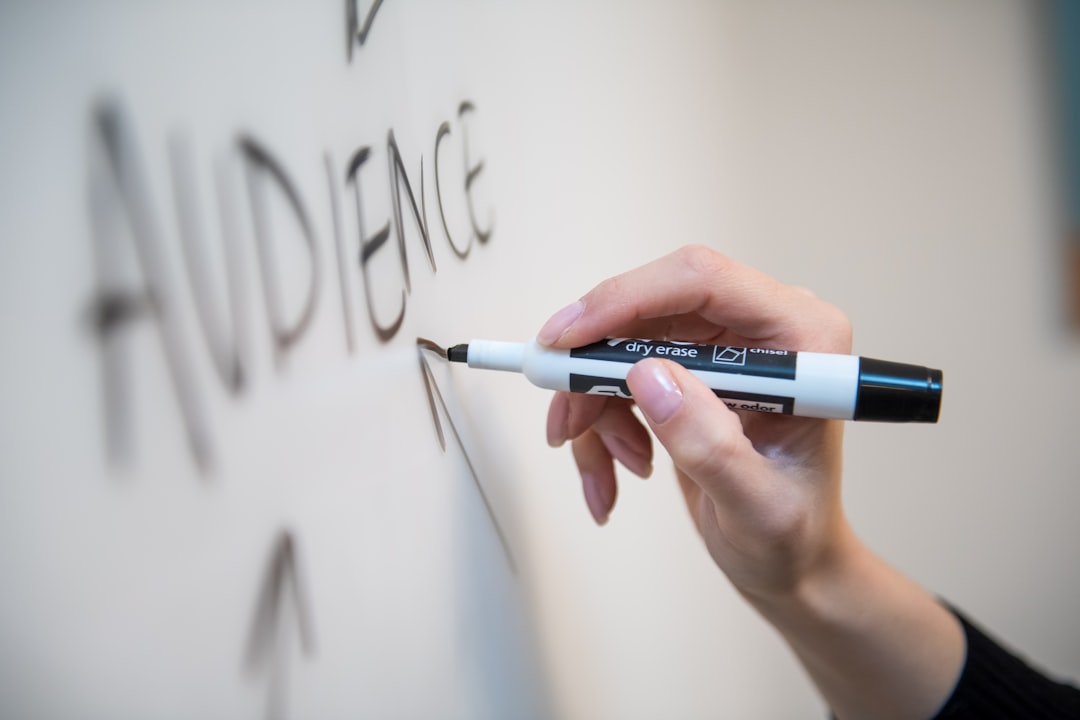
Whiteboards are magical. One second they are clean and shiny. The next second, they say “banana math” in bright blue marker because someone grabbed the wrong pen during a meeting. Mistakes happen. The good news is that most whiteboard marks can be fixed without leaving ghostly smudges behind.
TLDR: Fix whiteboard mistakes fast by using a clean eraser, a dry erase marker, or a little rubbing alcohol. Never scrub with rough tools, because they can scratch the board. Clean small marks quickly, and deep clean the board when it starts to look cloudy. Treat your whiteboard gently, and it will stay bright and happy.
First, Know What Kind of Mistake You Made
Not all whiteboard mistakes are the same. Some are tiny. Some are dramatic. Some look like a marker crime scene.
Before you clean, ask one simple question: What caused the mark?
- Fresh dry erase marker: Easy. Just erase it.
- Old dry erase marker: It may need a little help.
- Permanent marker: Do not panic. Really.
- Sticky tape marks: These need gentle cleaning.
- Ghost marks: These are faded stains left behind after erasing.
Once you know the enemy, you can choose the right tool. This is how whiteboard heroes are made.
Start With the Gentle Method
Always begin with the easiest fix. A whiteboard is not a kitchen pan. It does not want a wrestling match.
Use a clean, soft eraser. Wipe in smooth circles. Do not press too hard. If the mark is fresh, it should disappear like it owed you money.
If the eraser is dirty, it may spread ink instead of removing it. That is not cleaning. That is redecorating. Tap the eraser outside, or wipe it with a damp cloth. Let it dry before using it again.
The Magic Marker Trick
This trick feels fake. But it works.
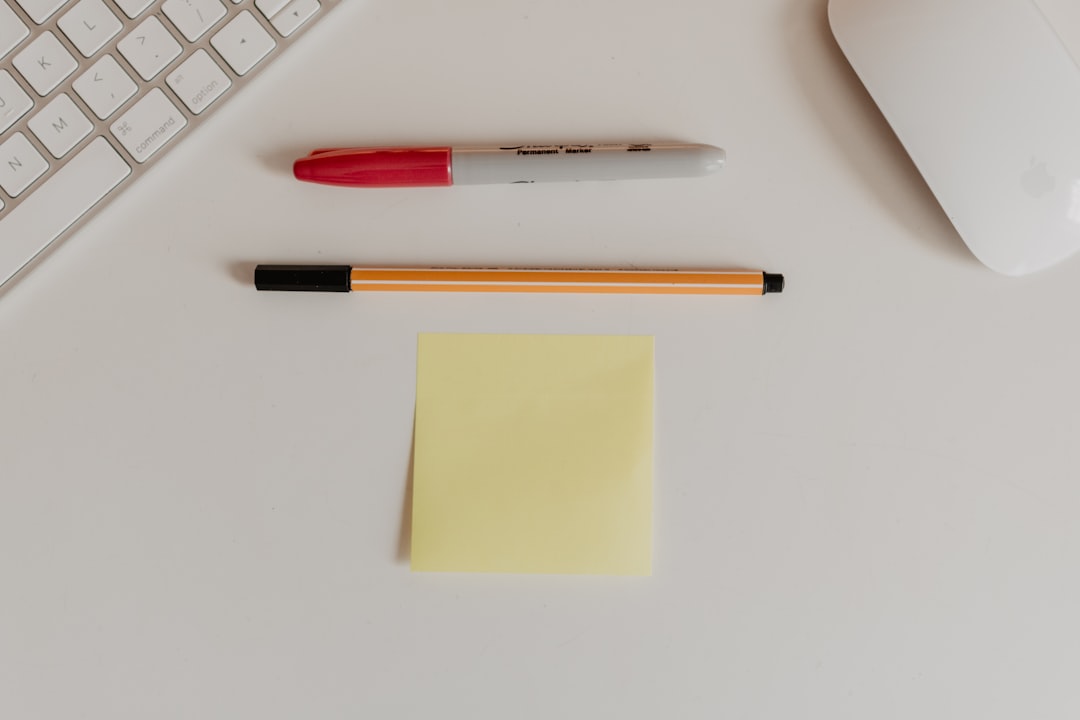
If you used a permanent marker by mistake, grab a dry erase marker. Draw directly over the permanent marker line. Cover it fully. Then wait a few seconds. Now erase both layers together.
Why does this work? The dry erase ink has a solvent in it. That solvent helps loosen the permanent ink. Science saves the day.
This method is best for:
- Permanent marker words.
- Small doodles.
- Accidental labels.
- Wrong numbers in a chart.
If a little shadow remains, repeat the trick. Be patient. The board is trying its best.
Use Rubbing Alcohol for Stubborn Marks
Some marks do not want to leave. They act like they pay rent. This is when rubbing alcohol helps.
Use isopropyl alcohol. A 70% solution is usually enough. Put a little on a soft cloth. Wipe the mark gently. Then dry the board with another clean cloth.
Do not pour alcohol directly onto the board. That can drip into the frame. It can also make a mess. A little goes a long way.
Rubbing alcohol works well on:
- Old dry erase stains.
- Permanent marker shadows.
- Fingerprints.
- Greasy smudges.
Important: Test a tiny corner first. Most whiteboards are fine with alcohol. But some cheap or damaged boards can be sensitive.
Try Whiteboard Cleaner
Whiteboard cleaner is made for this job. It is like bubble bath for your board, but less silly.
Spray the cleaner onto a cloth. Wipe the board. Then buff it dry with a clean towel. The dry step matters. If cleaner dries on the surface, it may leave streaks.
Use whiteboard cleaner when the whole board looks dull. It also helps after a busy week of notes, arrows, circles, and one mysterious drawing of a cat.
Remove Tape and Sticky Stuff
Tape can leave sticky patches on a whiteboard. Magnets are better, but tape happens.
To remove sticky marks, use a soft cloth with a tiny bit of rubbing alcohol. Rub slowly. Do not use your fingernail if it feels sharp. Do not use a knife. Do not use scissors. Your whiteboard is not a potato.
If the sticker is still attached, peel it slowly. Pull it back at a low angle. Then clean the leftover glue.

Fight Ghost Marks
Ghost marks are faint leftovers. They make your board look haunted. Very rude.
Ghosting happens when ink sits too long. It can also happen when the board is dirty. The marker ink sticks to dust, grease, or old cleaner.
To fix ghost marks:
- Wipe the board with a dry eraser.
- Clean it with rubbing alcohol or whiteboard cleaner.
- Dry it with a soft cloth.
- Repeat if needed.
If ghosting keeps coming back, clean the board more often. Also check your markers. Old markers can leave messy ink.
Do Not Use These Cleaning Tools
Some cleaning ideas sound clever. They are not. They are tiny disasters wearing party hats.
Avoid these items:
- Paper towels: They can be rough and leave lint.
- Abrasive sponges: They can scratch the surface.
- Magic erasers: They may remove the board coating.
- Bleach: Too harsh. Too smelly. Too dramatic.
- Window cleaner with ammonia: It can damage some boards over time.
- Sharp tools: Scratches are forever.
Once a board is scratched, ink can settle into the grooves. Then marks become harder to remove. So be gentle. Think “spa day,” not “dragon battle.”
Clean the Whole Board the Right Way
Sometimes fixing one mistake is not enough. The board needs a full reset.
Here is a simple cleaning routine:
- Erase everything with a clean eraser.
- Spray cleaner onto a soft cloth.
- Wipe from top to bottom.
- Use another cloth to dry the surface.
- Wait a minute before writing again.
Clean from top to bottom so dust and cleaner do not drip onto areas you already finished. This is fancy. But easy.
Prevent Marks Before They Happen
The best fix is prevention. Boring? Maybe. Useful? Very.
Use only dry erase markers. Keep permanent markers far away. Put them in a different drawer. Add a label if needed. A big label. Maybe even a dramatic one that says, “Not for the whiteboard!”
Erase writing at the end of the day. Do not let ink sit for weeks. Old ink gets clingy.
Clean the board once a week if you use it often. Clean it once a month if you use it lightly. Also wash your hands before using the board. Finger grease is sneaky.
What If the Mark Still Will Not Go Away?
If a mark refuses to leave, try the steps again. Use the dry erase marker trick. Then use rubbing alcohol. Then use whiteboard cleaner.
If the stain is still there, the board coating may be damaged. This happens with age, scratches, harsh cleaners, or years of heavy use. You can keep using the board, but it may stain more easily.
For an old board, consider a whiteboard resurfacing film. Or replace the board if it is badly stained. Every whiteboard deserves a peaceful retirement someday.
Quick Rescue Guide
Here is the super simple version:
- Fresh mistake: Use a clean eraser.
- Old dry erase mark: Use rubbing alcohol.
- Permanent marker: Trace with dry erase marker, then erase.
- Sticky residue: Use alcohol on a soft cloth.
- Ghost marks: Deep clean and dry well.
Whiteboard mistakes are not the end of the world. They are just little plot twists. With the right tools and a gentle touch, your board can look clean again. No scratches. No smears. No spooky marker ghosts. Just a fresh white space ready for your next big idea, shopping list, lesson, plan, or suspiciously detailed drawing of a taco.
Leave a Reply