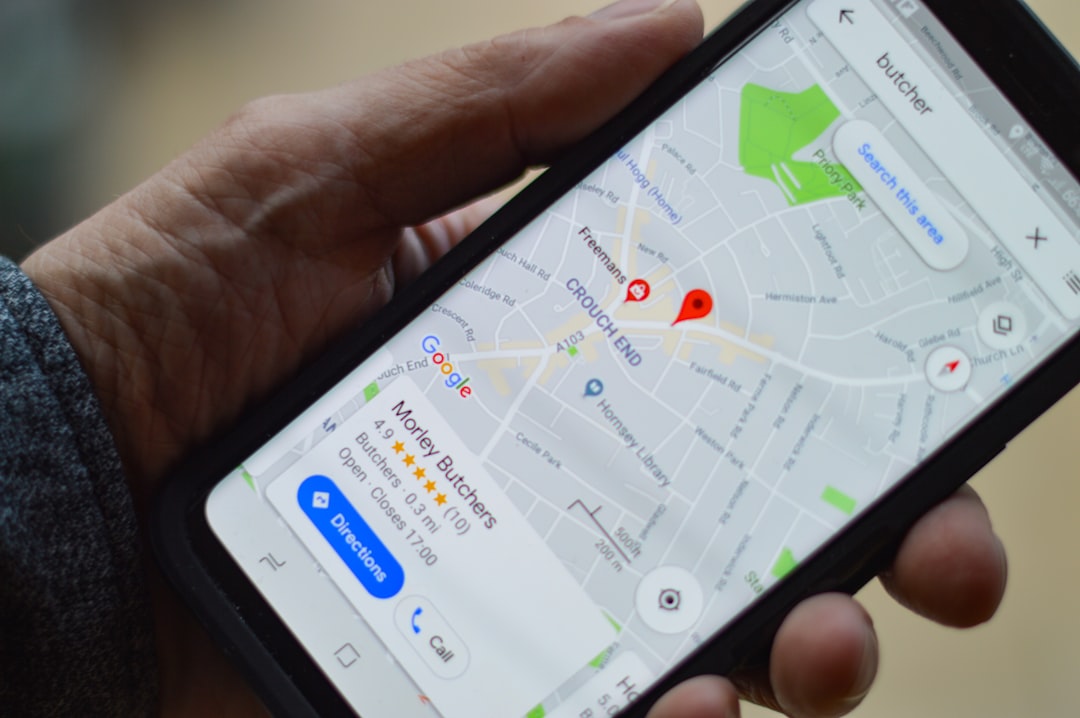
For many local businesses, Google Business Profile is the most visible digital asset they own. It influences how customers find directions, call, read reviews, compare services, and decide whether to visit or buy. A structured audit helps identify gaps that may be limiting visibility in Google Search and Maps, while also improving customer trust and conversion.
TLDR: A Google Business Profile audit is a systematic review of your listing’s accuracy, completeness, engagement, and local SEO signals. Focus on core details such as business name, categories, location, hours, photos, reviews, services, and website alignment. Regular audits help improve local rankings, reduce customer confusion, and make your profile more competitive in Google Maps results.
Why Google Business Profile audits matter
Local search results are shaped by three major factors: relevance, distance, and prominence. While you cannot control every ranking factor, you can improve how clearly Google understands your business and how confidently customers interact with your listing. A neglected profile may contain outdated hours, weak categories, missing services, poor photos, or unanswered reviews. Each issue can reduce trust and weaken performance.
A proper audit is not simply a quick glance at the profile. It should compare the listing against Google’s guidelines, competitors, website content, customer expectations, and local search behavior. The goal is to make the profile accurate, persuasive, and aligned with the terms people use when searching for your products or services.
1. Verify business information accuracy
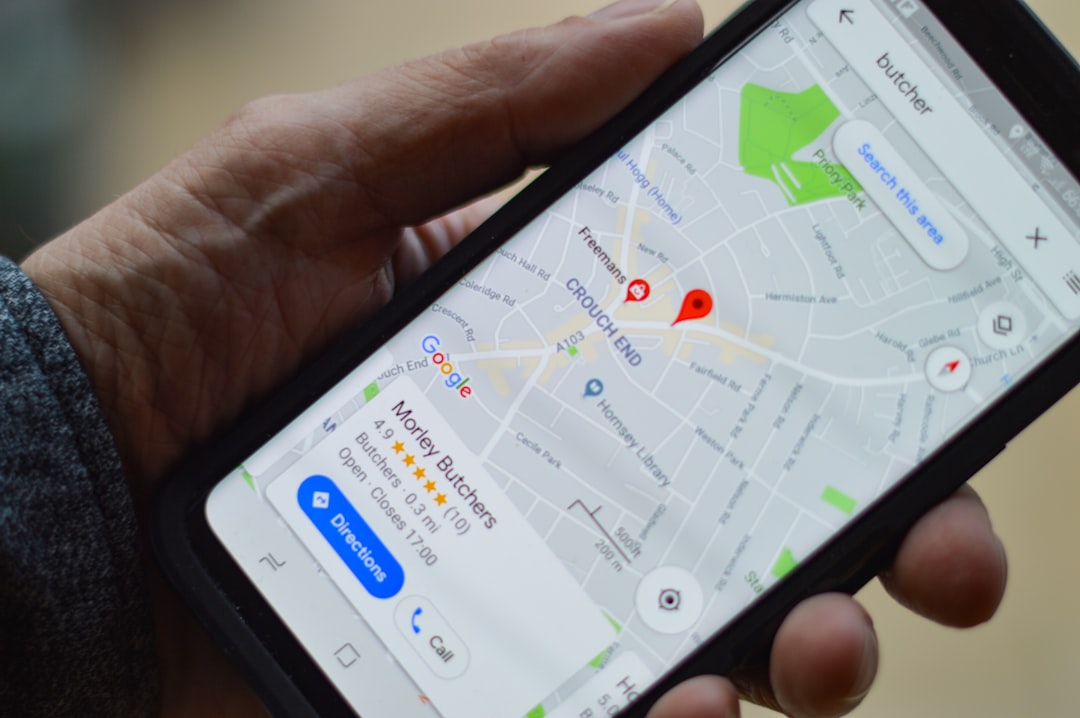
Start with the fundamentals. Your business name, address, phone number, website, and hours must be accurate and consistent. Even small inconsistencies can create customer frustration and may reduce confidence in your listing.
- Business name: Use the real-world name of the business. Avoid adding extra keywords unless they are part of the official name.
- Address: Confirm that the address matches your website, signage, and major citation sources.
- Phone number: Use a local number when possible, and make sure calls are routed correctly.
- Website URL: Link to the most relevant page, such as the homepage or a location-specific landing page.
- Hours: Update regular hours, holiday hours, and temporary closures promptly.
Accuracy is the foundation of local SEO. If customers arrive when you are closed or call a disconnected number, rankings become less important than the trust you have already lost.
2. Review primary and secondary categories
Categories are among the strongest relevance signals in Google Business Profile. The primary category should describe your main business activity as precisely as possible. For example, “Italian Restaurant” is usually more useful than simply “Restaurant” if it accurately reflects your business.
Secondary categories should support important services without stretching the truth. Overloading categories or selecting unrelated options can confuse Google and customers. During the audit, compare your categories with top-ranking competitors in your local area. If several strong competitors use a category that fits your business, it may be worth testing.
3. Assess services, products, and descriptions
Your services and products help Google connect your profile with specific customer searches. A dental clinic, for example, should not rely only on a broad category. It should list services such as cleanings, whitening, emergency dentistry, implants, or orthodontics if they are genuinely offered.
The business description should be clear, factual, and customer-focused. It should explain who you serve, what you offer, and what makes the business credible. Avoid promotional exaggeration, keyword stuffing, or claims that cannot be verified. A strong description supports local SEO, but it also helps potential customers decide whether you are the right choice.
4. Audit photos and visual content
High-quality images can improve engagement and trust. Customers want to know what to expect before they visit, especially for restaurants, clinics, salons, hotels, fitness studios, repair shops, and retail stores. Profiles with strong imagery often appear more active and credible.
- Add clear exterior photos so customers can recognize the location.
- Include interior photos that show cleanliness, layout, and atmosphere.
- Upload team photos where appropriate to create familiarity.
- Show products, completed work, menu items, or service examples.
- Remove outdated or low-quality images when possible.
Image freshness also matters. A profile with no recent photos may appear inactive. Build a habit of adding new visuals monthly, especially if your business changes seasonally.

5. Evaluate review quality and response practices
Reviews influence both rankings and conversions. During an audit, look beyond the star rating. Examine review volume, recency, keywords, sentiment, and owner responses. A business with steady, detailed reviews often appears more trustworthy than one with a perfect rating but very few reviews.
Respond to reviews professionally, including both positive and negative feedback. Thank satisfied customers, and address complaints with care. Avoid defensive language. Public responses are not only for the reviewer; they are also read by future customers evaluating your professionalism.
It is also important to have a legitimate review generation process. Ask customers for feedback after completed transactions, but never offer incentives for positive reviews or pressure customers to change negative reviews. Compliance matters because policy violations can damage visibility and credibility.
6. Check local keyword alignment
A Google Business Profile audit should include keyword research. Identify how customers search for your services in your city or neighborhood. Then check whether those terms are naturally reflected in your website, services, posts, reviews, and profile content.
This does not mean forcing keywords into every field. Instead, use clear language that matches customer intent. If people search for “emergency plumber,” “family lawyer,” or “vegan bakery,” your profile and website should clearly support those concepts when relevant.
7. Inspect website and landing page consistency
Your profile does not work in isolation. Google may compare your listing with your website to confirm relevance and legitimacy. The linked page should include the same business name, address, phone number, core services, and location references.
If you operate multiple locations, each profile should usually link to a dedicated location page. That page should include unique local content, not duplicated text with only the city name changed. Include directions, local service details, staff information, testimonials, parking information, and nearby landmarks when useful.
8. Review posts, updates, and customer communication
Google Business Profile posts can highlight announcements, offers, events, new services, or helpful updates. While posts alone are unlikely to transform rankings, they can improve engagement and show that the business is active.
- Publish timely updates about seasonal services or promotions.
- Use clear calls to action such as “Call,” “Book,” or “Learn more.”
- Keep messaging features monitored if enabled.
- Answer questions in the Q&A section accurately and promptly.
Unanswered questions, outdated offers, or ignored messages can make a business look inattentive. Treat your profile as a customer service channel, not just an SEO asset.

9. Analyze competitor profiles
Competitor analysis helps identify realistic opportunities. Search your most important local keywords and examine the businesses ranking in the map pack. Look at their categories, review count, review quality, photos, services, and website pages.
The goal is not to copy competitors blindly. Instead, determine where your profile is weaker and where you can provide better information. If competitors have hundreds of reviews, you may need a stronger review strategy. If they show detailed service menus and you do not, improving your service section may help close the gap.
10. Monitor performance and repeat the audit
A Google Business Profile audit should lead to measurable improvements. Use profile performance data to track calls, direction requests, website clicks, bookings, and search queries. Compare results over time rather than judging changes after only a few days.
For most businesses, a full audit every quarter is a sensible schedule. High-competition industries, seasonal businesses, and multi-location companies may need monthly reviews. Document changes carefully so you can understand what influenced performance.
Final checklist for better local rankings
- Confirm business name, address, phone number, hours, and website URL.
- Select the most accurate primary category and relevant secondary categories.
- Complete services, products, attributes, and the business description.
- Add high-quality, recent photos of the location, team, and offerings.
- Build a steady, policy-compliant review process and respond professionally.
- Align profile content with local keywords and website landing pages.
- Keep posts, Q&A, messaging, and updates current.
- Compare your profile with top local competitors.
- Track performance metrics and audit regularly.
A well-maintained Google Business Profile gives search engines better information and gives customers stronger reasons to choose your business. Local rankings are never guaranteed, but a disciplined audit process improves your chances of earning visibility, trust, and qualified local traffic over time.
Leave a Reply