
Magento gives online retailers a powerful foundation for growth, but traffic and sales rarely increase by platform strength alone. A successful Magento store needs a structured marketing plan that improves visibility, builds trust, and moves shoppers from discovery to purchase with less friction.
TLDR: Magento merchants can increase traffic and sales by combining SEO, paid advertising, email marketing, content, speed optimization, personalization, social proof, data analysis, and retention campaigns. The strongest results usually come from improving the entire customer journey rather than relying on one channel. A store that attracts qualified visitors, presents compelling offers, and follows up consistently is more likely to turn traffic into revenue.
Magento Marketing Guide: 9 Proven Strategies to Increase Traffic and Sales
Magento is highly flexible, which makes it ideal for businesses that want to scale. However, that flexibility also means merchants must actively manage marketing, site performance, and customer engagement. The following nine strategies can help a Magento store attract better traffic, improve conversions, and increase long-term sales.
1. Build a Strong Magento SEO Foundation
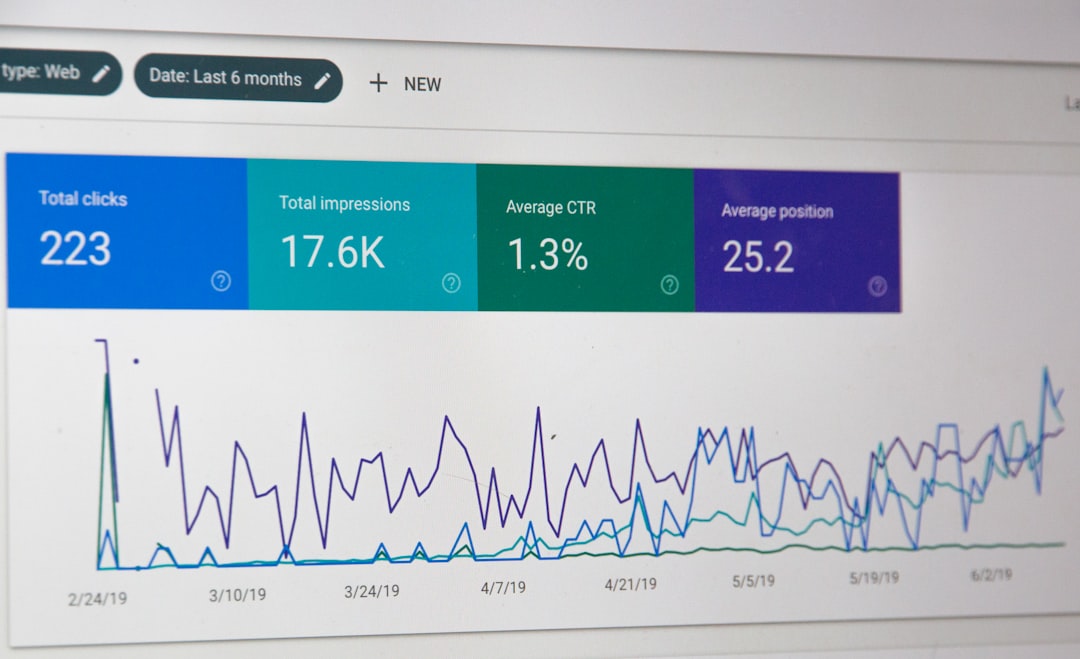
Search engine optimization is one of the most sustainable ways to bring qualified visitors to a Magento store. A merchant should begin with keyword research for product pages, category pages, and buying-intent search terms. Each important page should have a unique title tag, meta description, clean URL, and descriptive heading structure.
Magento stores should also use optimized product descriptions instead of relying only on manufacturer copy. Duplicate content can weaken rankings, while original descriptions help search engines understand the value of each product. Internal linking between related categories, guides, and best-selling items can also improve crawlability and user navigation.
2. Optimize Category and Product Pages for Conversions
Traffic only matters when visitors can easily make a buying decision. Product and category pages should be clear, persuasive, and fast to use. A strong Magento product page usually includes high-quality images, detailed specifications, benefit-focused copy, clear pricing, shipping information, reviews, and a visible call to action.
Category pages should help shoppers narrow options quickly. Filters, sorting tools, comparison features, and short category descriptions can reduce frustration. When the browsing experience feels simple, visitors are more likely to continue toward checkout.
3. Use Paid Ads to Capture High-Intent Shoppers
Paid advertising can generate traffic faster than organic channels. Magento merchants often benefit from search ads, shopping ads, retargeting campaigns, and paid social promotions. The key is to focus on shoppers who already show purchase intent, such as people searching for specific products, brands, or solutions.
A merchant should avoid sending all paid traffic to the homepage. Instead, ads should lead to relevant category pages, optimized product pages, or targeted landing pages. Campaign performance should be monitored closely, with budgets shifted toward ads that produce profitable sales rather than just clicks.
4. Create Helpful Content That Supports the Buying Journey
Content marketing helps a Magento store reach customers before they are ready to buy. Blog articles, buying guides, comparison pages, tutorials, and seasonal gift guides can attract organic traffic and educate shoppers. For example, a store selling fitness equipment might publish guides on choosing home gym products, preventing workout injuries, or comparing equipment types.
Content should not exist separately from the store. It should naturally link to relevant products and categories. This approach helps visitors move from information gathering to product discovery, while also strengthening the site’s SEO structure.
5. Improve Site Speed and Mobile Experience
Magento stores can become heavy when they use too many extensions, large images, or poorly optimized themes. Slow pages can reduce rankings, increase bounce rates, and hurt sales. A merchant should regularly test site speed, compress images, enable caching, use a reliable hosting environment, and remove unnecessary scripts.
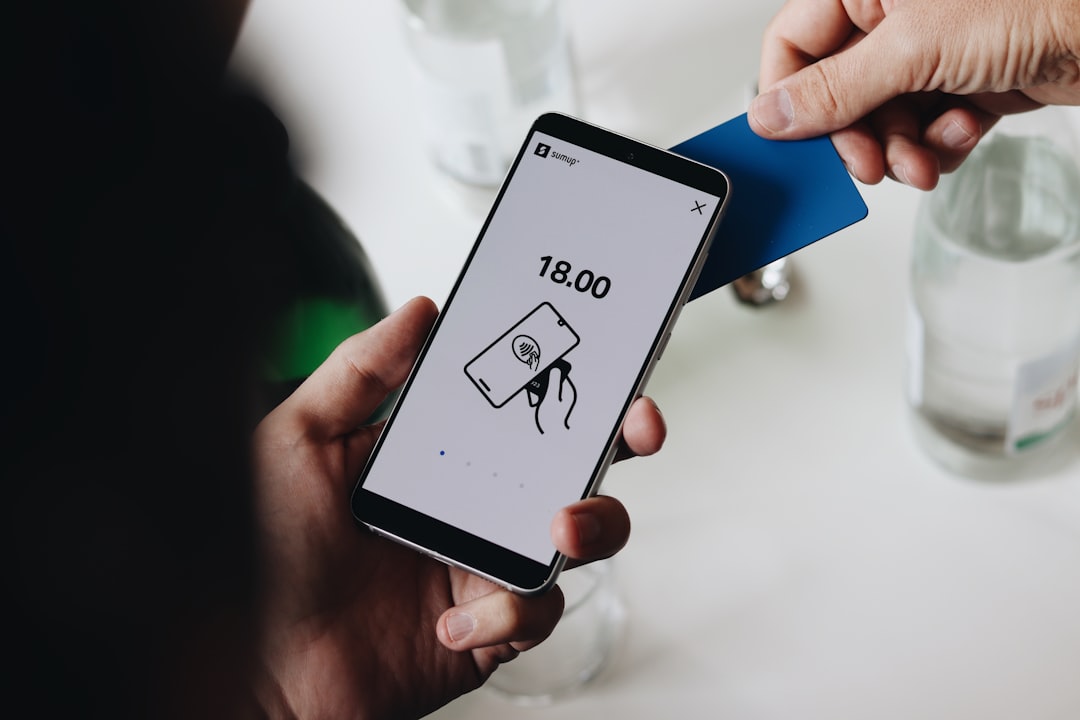
The mobile experience is equally important. Many shoppers browse on smartphones even if they later complete purchases on another device. Buttons should be easy to tap, menus should be simple, and checkout should require as few steps as possible. A mobile-friendly Magento site can capture more impulse buyers and reduce abandoned carts.
6. Use Email Marketing and Automation
Email remains one of the highest-return marketing channels for ecommerce. Magento merchants can use email automation to welcome new subscribers, recover abandoned carts, recommend products, announce promotions, and re-engage inactive customers.
Segmentation makes email more effective. A store can send different messages based on past purchases, browsing behavior, customer location, or order value. For example, a repeat buyer might receive loyalty rewards, while a first-time visitor might receive a welcome discount. Relevant messages usually outperform generic promotional blasts.
7. Add Social Proof to Build Trust
Online shoppers often look for reassurance before buying. Reviews, ratings, testimonials, user-generated content, trust badges, and case studies can reduce uncertainty. Magento merchants should encourage customers to leave reviews after purchase and display those reviews prominently on product pages.
Social proof works especially well for expensive, technical, or unfamiliar products. When buyers see that others have had a positive experience, they are more likely to trust the store. Clear refund policies, delivery details, and secure payment indicators can also support confidence.
8. Personalize the Shopping Experience
Magento’s flexibility allows merchants to create more personalized customer journeys. Product recommendations, recently viewed items, related products, customer-specific pricing, targeted banners, and personalized email offers can all increase average order value.
Personalization should be useful rather than intrusive. A store might recommend accessories for a product already in the cart, show bestsellers from a shopper’s preferred category, or display region-specific promotions. The goal is to make shopping easier and more relevant.
9. Analyze Data and Improve Retention
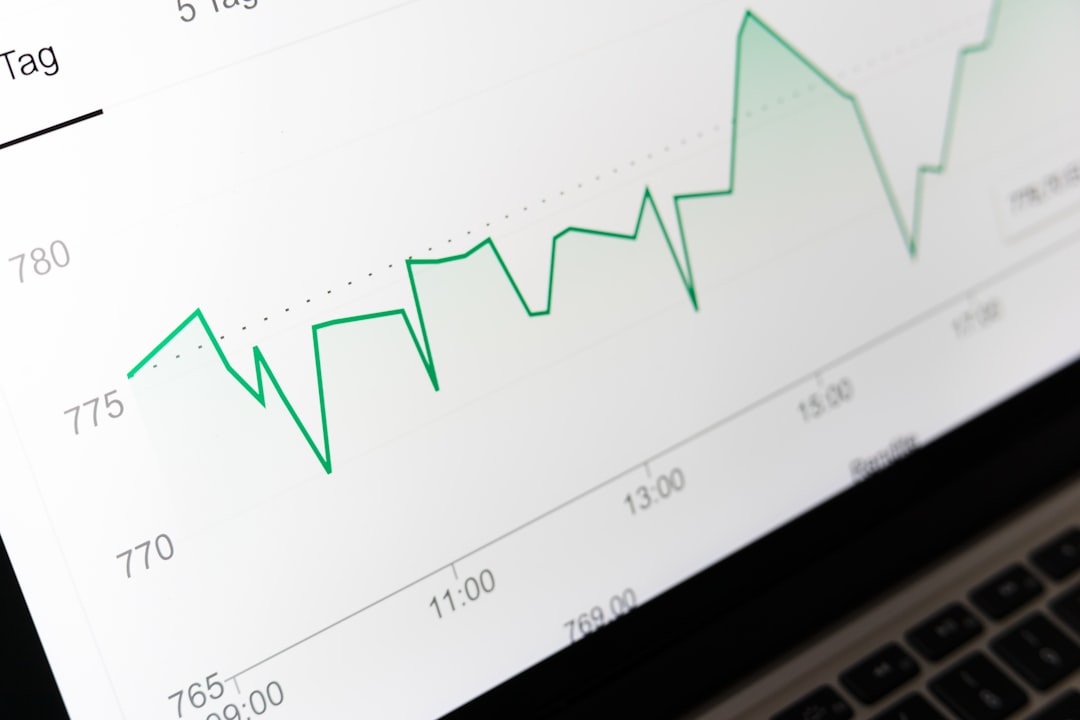
A Magento marketing strategy should be guided by data. Store owners should track traffic sources, conversion rates, cart abandonment, average order value, customer lifetime value, and repeat purchase rates. These metrics reveal which channels deserve more investment and where the store is losing potential buyers.
Retention is often more profitable than constant acquisition. Loyalty programs, reorder reminders, post-purchase emails, exclusive offers, and customer service follow-ups can encourage repeat sales. When a Magento store keeps existing customers engaged, revenue becomes more predictable and marketing costs can decrease over time.
Practical Magento Marketing Checklist
- Optimize SEO: Improve metadata, URLs, product copy, internal links, and schema markup.
- Strengthen product pages: Use better images, clear benefits, reviews, and strong calls to action.
- Run targeted ads: Focus on profitable keywords, shopping campaigns, and retargeting.
- Create useful content: Publish guides that answer real customer questions.
- Improve performance: Speed up pages and simplify mobile checkout.
- Automate email: Use abandoned cart, welcome, and reactivation campaigns.
- Build trust: Display reviews, policies, and security signals.
- Personalize offers: Recommend relevant products and promotions.
- Review analytics: Measure results and refine campaigns continuously.
Conclusion
Magento marketing works best when traffic generation and conversion optimization support each other. A store that ranks well but offers a poor shopping experience will lose sales, while a beautiful store with no visibility will struggle to grow. By applying these nine strategies consistently, a Magento merchant can attract more qualified visitors, increase buyer confidence, and create a stronger path from first visit to repeat purchase.
FAQ
What is the best marketing strategy for a Magento store?
The best strategy depends on the store’s products, audience, and budget. In most cases, a combination of SEO, email marketing, paid ads, and conversion optimization produces the strongest results.
How can a Magento store increase traffic quickly?
Paid search ads, shopping ads, social media campaigns, and retargeting can increase traffic quickly. However, the traffic should be directed to relevant product or category pages to improve the chance of sales.
Is SEO important for Magento?
Yes. SEO is important because it helps Magento stores attract shoppers who are actively searching for products. Optimized categories, product pages, metadata, and content can support long-term organic growth.
How can Magento merchants reduce cart abandonment?
They can simplify checkout, show shipping costs early, offer multiple payment options, improve site speed, and use abandoned cart emails. Clear return policies and trust signals can also help shoppers complete purchases.
How often should Magento marketing performance be reviewed?
Performance should be reviewed at least monthly, though paid campaigns and major promotions may need weekly or even daily checks. Regular analysis helps merchants identify what is working and adjust budgets more effectively.
Leave a Reply