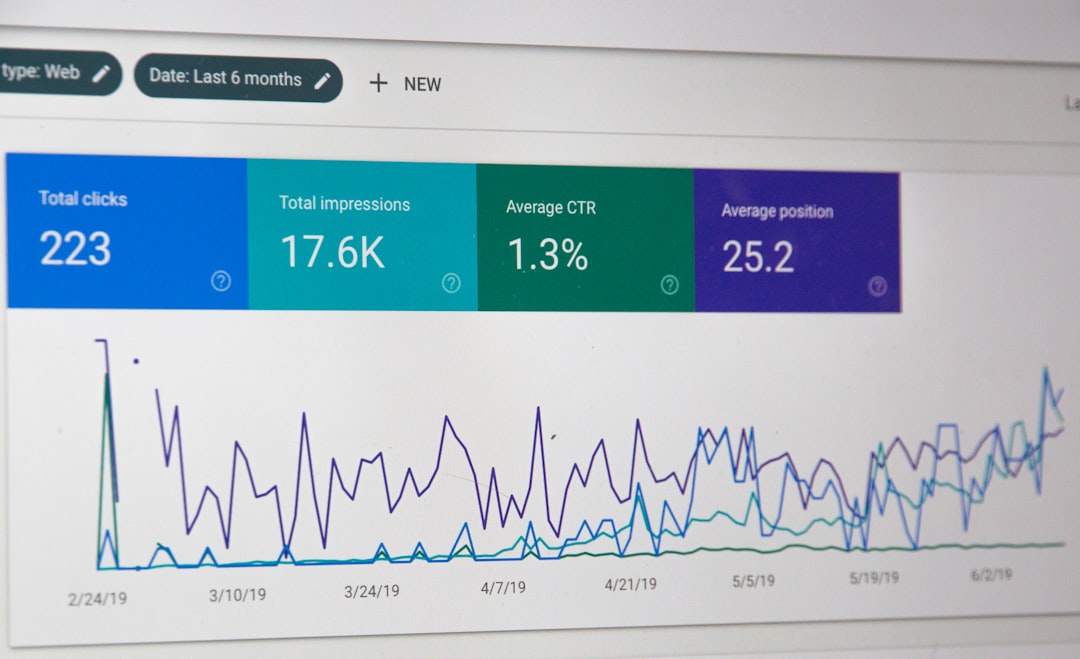
Build SEM keyword lists from buyer intent first, not from whatever a keyword tool dumps into a spreadsheet. Paid search works best when each term has a clear role: attract ready buyers, compare options, protect your brand, or teach the algorithm what not to show. If your keywords are mixed together without logic, your budget gets thin, your ads get vague, and your conversion data becomes noisy.
TLDR: Start with intent, then group keywords by theme, funnel stage, and match type. Prioritize terms using conversion value, cost, competition, and search intent, not search volume alone. For example, a SaaS team spending $8,000 per month might cut 22% of broad, low-intent spend and move it into “pricing” and “demo” terms, lifting trial signups by 31% in six weeks. Keep negative keywords clean from day one, or you will pay for clicks that never had a chance.
Why SEM Keyword Planning Gets Messy So Fast
SEM keyword research looks simple from the outside. Find words. Bid on them. Write ads. Wait for sales.
Then reality shows up.
One keyword has five meanings. Another has huge volume but no buying intent. A third converts well, but only on mobile and only in two cities. Honestly, it feels like some ad platforms are built to make you click through three extra screens just to see the report you needed 20 seconds ago.
The fix is not “more keywords.” The fix is better structure.
A strong SEM keyword plan answers four questions:
- Who is searching?
- What do they want right now?
- How close are they to buying?
- What should we pay for that click?
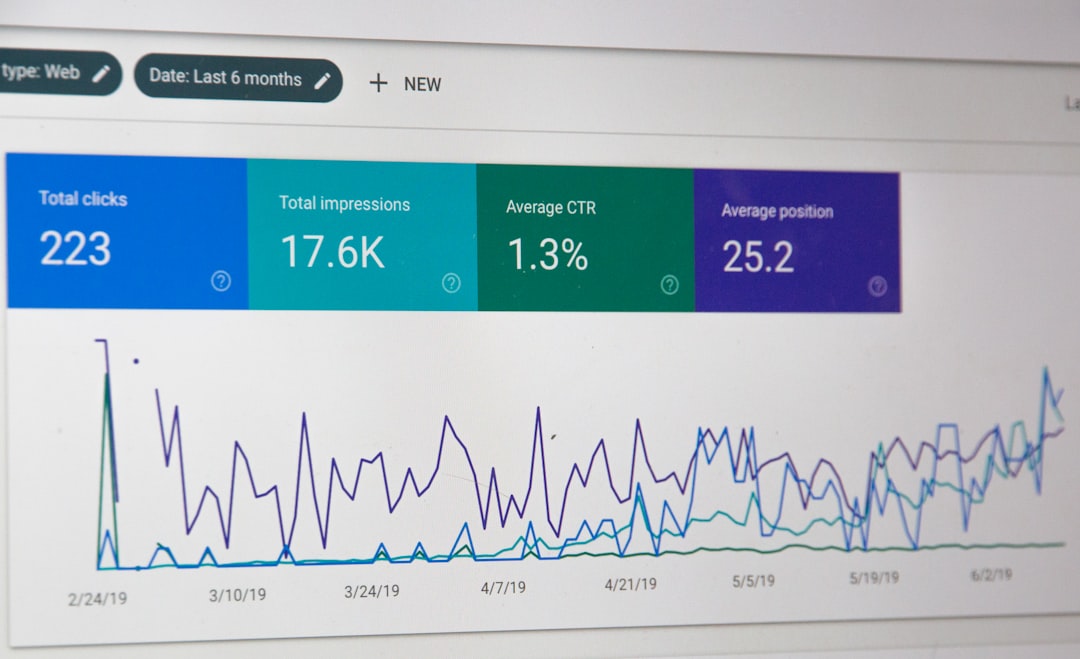
Step 1: Build Keywords From Intent Buckets
Do not begin with one giant keyword export. Start with intent buckets. These buckets help you see why someone is searching, not just what they typed.
Common SEM intent buckets include:
- Brand terms: Your company, product, or branded features.
- Competitor terms: Searches for rival products or alternatives.
- Problem terms: “how to reduce payroll errors” or “fix slow website.”
- Solution terms: “payroll software” or “site speed optimization service.”
- Commercial terms: “best,” “top,” “reviews,” “comparison,” “agency,” or “pricing.”
- Transactional terms: “buy,” “book,” “quote,” “demo,” “near me,” or “free trial.”
Each bucket deserves different ads, bids, and landing pages. A person searching “what is CRM” does not need the same message as someone searching “CRM demo for sales team.” If both searches land in the same ad group, the ad will probably be bland. Bland ads waste money.
Step 2: Use Multiple Keyword Sources
Keyword tools are helpful, but they are not perfect. Google Keyword Planner can hide exact volume ranges unless the account has enough spend. Some third-party tools overestimate traffic. Search query reports are better, but they only show data after you have already paid for clicks. Annoying? Yes. Avoidable? Not fully.
Use several sources to build a richer list:
- Google Keyword Planner for search demand and bid ranges.
- Search terms reports for real queries from active campaigns.
- SEO tools for competitor keyword ideas.
- Sales calls and chat logs for the exact language buyers use.
- Customer support tickets for pain points and objections.
- Site search data for what visitors already expect from you.
Sales and support teams are often gold mines. If prospects keep asking for “same day installation,” “HIPAA compliant storage,” or “flat rate pricing,” those phrases may deserve their own SEM tests.
Step 3: Clean the List Before You Group It
Raw keyword lists are full of junk. Remove terms that are too vague, unrelated, or clearly unprofitable. This step is boring. Do it anyway.
Cut or flag keywords that include:
- Free, template, PDF, jobs, salary, course, definition, or training, if those do not fit your offer.
- Locations you do not serve.
- Products you do not sell.
- Audience types you do not want, such as students or job seekers.
- Low-intent research terms with no clear path to revenue.
This is also where your negative keyword list starts. Negative keywords stop ads from showing on poor-fit searches. They protect spend and sharpen reporting. For a B2B software campaign, “free download,” “open source,” and “internship” may be negatives. For a local plumber, “DIY,” “YouTube,” and “certification” might be poor matches.

Step 4: Group Keywords by Theme and Message
Good grouping makes ads feel specific. Each ad group should focus on one tight idea. If a keyword cannot share the same ad and landing page with the rest of the group, it probably belongs somewhere else.
Strong ad group examples:
- Payroll software pricing: payroll software cost, payroll software pricing, payroll platform quote.
- Small business payroll: payroll for small business, small company payroll service, payroll app for small teams.
- Payroll tax help: payroll tax service, payroll compliance software, payroll tax filing help.
Notice the difference. These are not random variations. Each group points to a message. Pricing terms need cost clarity. Small business terms need ease and affordability. Tax terms need trust and accuracy.
Keep groups small at first. Ten to twenty keywords per ad group is often enough. For high-spend accounts, even smaller groups can work well. The goal is not tidiness for its own sake. The goal is better relevance.
Step 5: Choose Match Types With Caution
Match types control how closely a search must match your keyword. They can make or break a campaign.
- Exact match: Best for proven, high-value terms. More control, usually less reach.
- Phrase match: Useful for controlled testing around a theme.
- Broad match: Can uncover new queries, but it needs strong conversion tracking and negatives.
Broad match can be useful with smart bidding, but do not treat it like magic. If tracking is weak, broad match may optimize toward bad signals. If your conversion action counts every newsletter signup the same as a sales call, the system may chase cheap leads that sales hates.
Step 6: Prioritize Keywords With a Scoring Model
Search volume is tempting. It is also overrated. A keyword with 300 searches per month and strong purchase intent can beat a 10,000-search keyword that attracts casual researchers.
Create a simple score from 1 to 5 for each factor:
- Intent strength: Is the searcher close to taking action?
- Business value: Is the product or service profitable?
- Expected conversion rate: Has this theme worked before?
- Cost per click: Can you afford traffic at current bids?
- Competition: Are larger advertisers pushing prices up?
- Landing page fit: Do you have a strong page for this need?
Add the scores, then sort. Keywords with high intent, high value, and strong landing page fit go first. Low-value, high-CPC terms move to test status or get paused.
For example, “enterprise accounting software demo” may have low volume, but it signals a serious buyer. “accounting tips” may have more traffic, but it is unlikely to produce quick pipeline. Spend should follow value, not curiosity.

Step 7: Tie Keywords to Landing Pages
A keyword is only as strong as the page it sends traffic to. If the ad promises “CRM pricing,” the page should show pricing guidance or a clear quote path. Do not send every click to the homepage and hope people figure it out.
Match the page to the search:
- Pricing searches should land on pricing or quote pages.
- Comparison searches should land on comparison pages.
- Local searches should land on location-specific pages.
- Demo searches should land near a short demo form.
Small changes matter. A headline that repeats the search theme can raise relevance. A shorter form can lift conversion rate. Faster load time can protect quality score and sales. Expect to waste time on clicks if your page says one thing and your keyword says another.
Step 8: Review Search Terms Weekly
Keyword work is never “done.” Search behavior shifts. Competitors change bids. New queries appear. Old terms decay.
Review search terms every week for active campaigns. Look for three things:
- Winners: Queries with conversions, strong engagement, or low cost per lead.
- Wasters: Queries with spend and poor results.
- New patterns: Phrases that suggest fresh ad groups or landing pages.
Promote strong search terms into exact or phrase match keywords. Add poor-fit terms as negatives. Split high-performing themes into their own ad groups once they collect enough data.
Final Takeaway
Effective SEM keyword planning is less about stuffing campaigns with terms and more about building a clean system. Start with intent. Group by message. Score by value. Match each keyword to the right page. Then keep pruning.
That is how paid search becomes easier to manage and harder to waste. Your best campaigns will not come from the biggest keyword list. They will come from the clearest one.
Leave a Reply