A strong short film or documentary starts with one clear idea, a realistic schedule, and a production plan small enough to finish. The best teams protect the story first, then shape the budget, crew, gear, shoot, edit, and release plan around it. Short projects fail less often from weak cameras than from vague goals, missing releases, and messy footage.
TLDR: A short film or documentary works best when the creator defines the core story, builds a lean production plan, shoots with clean sound, edits with discipline, and distributes through targeted channels. For example, a 7-minute nonprofit documentary filmed over 3 days with 2 crew members could gather 40 interview clips, cut them to 6 key moments, and release on YouTube, Instagram, and a local screening event. If the video holds 55% audience retention and gains 300 email signups, it has done its job. Small projects need focus more than scale.
1. Start With the Story, Not the Camera
Every short project needs a single sentence that explains what it is about. A fiction short may ask, “What happens when a night guard hears his own voice on a broken radio?” A documentary may ask, “How does one baker keep a family shop alive after rent rises by 38%?”
The team should write a logline, a short synopsis, and a clear statement of purpose. This keeps the project from drifting. It also helps when asking actors, subjects, locations, or donors to take part.
- Fiction short: script, characters, visual tone, production design.
- Documentary: subject access, real events, interview plan, archive material.
- Hybrid project: research, scripted scenes, legal review, consent forms.

2. Plan the Project in Preproduction
Preproduction saves money. It also saves nerves. A short film should not walk onto set hoping the day will solve itself. It rarely does.
The producer should create a basic production packet. It can be simple, but it must be complete.
- Script or treatment: the creative map.
- Shot list: the visual plan for each scene or sequence.
- Schedule: shoot dates, call times, travel, meal breaks.
- Budget: gear, permits, transport, food, insurance, music, festival fees.
- Release forms: actors, interview subjects, locations, artwork, music.
- Risk check: weather, noise, safety, backup locations.
Documentary teams also need research notes. They should confirm facts, dates, names, and permissions before filming. If a subject changes their mind, the crew needs a backup angle. Expect to waste time on access. A location owner may reply in 3 minutes, then vanish for 6 days when a release form appears.
3. Build a Lean Crew and Gear List
Short films and documentaries do not need huge crews. They need reliable people. A tiny but skilled team often beats a large confused one.
A basic fiction crew may include a director, producer, cinematographer, sound recordist, assistant director, production assistant, and editor. A small documentary crew may run with only a director, camera operator, and sound recordist. Solo documentary work is possible, but sound and focus suffer when one person does everything.
Gear should match the story. A mirrorless camera, two lenses, tripod, small light kit, lavalier mic, shotgun mic, headphones, and extra batteries can cover many needs. Sound deserves special care. Bad images can feel raw. Bad audio feels broken.
4. Shoot With Purpose
On set, the director should protect performance and story. The producer should protect time. The camera team should protect the frame. The sound recordist should protect clarity. These roles matter, even on a tiny shoot.
For fiction, the crew should record wide shots, medium shots, closeups, inserts, and room tone. Continuity photos help. So do clear slate notes. For documentaries, the crew should capture interviews, action scenes, cutaways, environment sound, and quiet details that show place and mood.
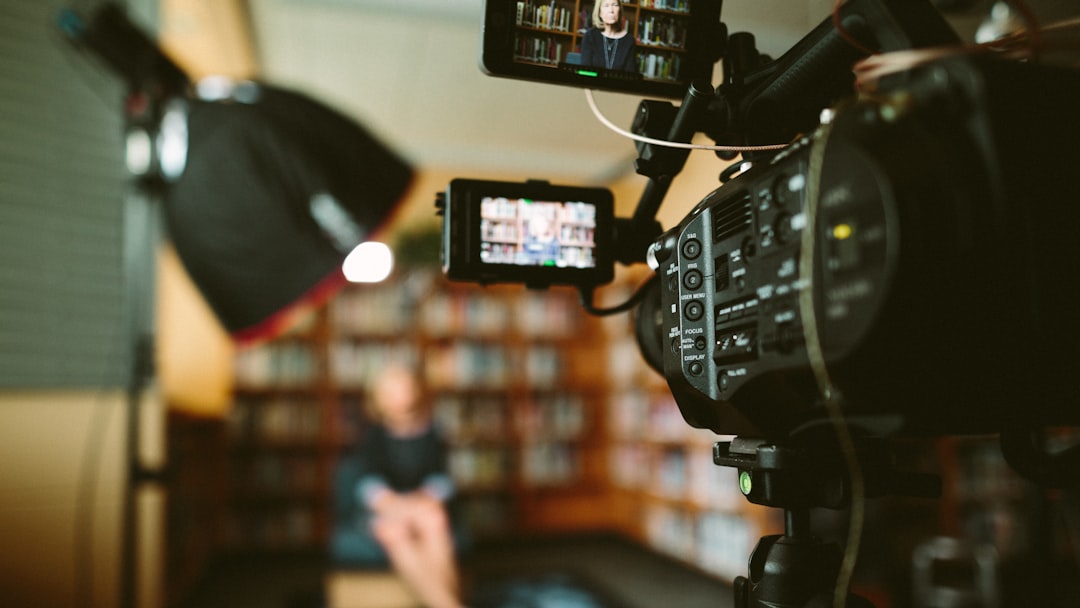
Good documentary interview questions are open and short. The interviewer should avoid feeding answers. A subject saying, “I nearly closed the shop in March” is stronger than a subject agreeing that March was difficult.
The team should back up media at the end of each shoot day. The common rule is three copies, two drive types, one off site. Losing footage is not dramatic. It is just awful.
5. Edit for Clarity and Emotion
Editing begins with organization. Footage should be labeled by date, scene, camera, and audio source. The editor should sync sound, sort interviews, mark strong moments, and build a rough assembly.
Fiction editing focuses on rhythm, performance, continuity, and emotional build. Documentary editing focuses on structure, truth, pacing, and context. Both need cuts. Painful cuts. A beautiful scene that slows the story may need to go.
Honestly, it feels like some editing apps hide export settings just to steal 30 seconds from every delivery. The editor should still test export presets early. A master file, caption file, trailer cut, vertical clip, and thumbnail may all be needed.
- Rough cut: full shape, still messy.
- Fine cut: tighter timing and clearer story.
- Picture lock: no more image changes unless required.
- Sound mix: dialogue, music, effects, room tone.
- Color grade: balance, mood, visual polish.
- Final exports: platform files, captions, poster image.
6. Handle Music, Rights, and Ethics
Music can lift a film fast, but rights must be clear. The team should use licensed tracks, commissioned music, public domain material, or original compositions with written agreements. “Found it online” is not a rights plan.
Documentaries also carry ethical duties. Subjects should understand where the film may appear. Sensitive stories need care. Facts should be checked. If the edit changes the meaning of what a subject said, the film may damage trust and credibility.
7. Distribute With a Real Goal
Distribution should begin before the final export. A short film may target festivals, genre sites, Vimeo Staff Picks, YouTube, social clips, or community screenings. A documentary may target advocacy groups, schools, nonprofits, local press, or public events.
The team should choose a main goal. Awards, sales, awareness, subscribers, donations, and press coverage are different goals. Each needs a different release path.
- Festival route: premiere rules, submission fees, deadlines, press kit.
- Online route: title, thumbnail, captions, tags, launch calendar.
- Community route: venue, moderator, partner groups, discussion guide.
- Social route: 15 to 60 second clips, vertical edits, pinned link.
A basic press kit should include a synopsis, director bio, stills, poster, trailer, credits, runtime, contact details, and screening format. Even a tiny film looks more serious when materials are ready.
FAQ
How long should a short film or documentary be?
Most short films run between 3 and 15 minutes. Festivals may accept longer shorts, but online viewers often respond better to tighter cuts.
What is the most common beginner mistake?
The most common mistake is unclear planning. Weak sound, missing permissions, and oversized scripts also cause major problems.
Can a documentary be made by one person?
Yes. A solo filmmaker can shoot a strong documentary, especially with simple gear. Still, an extra person for sound or interviews can improve quality fast.
Does a short film need a large budget?
No. A good short needs control, access, and a clear idea. Money helps with time, locations, actors, sound, and postproduction, but it cannot fix a weak story.
Where should a finished short be released?
The best release point depends on the goal. Festivals suit prestige and exposure. YouTube suits reach. Community screenings suit impact, discussion, and local support.
Leave a Reply