Googless search means reducing dependence on Google as the default path to information, traffic, and discovery. It does not mean Google disappears. It means users, publishers, brands, and search teams plan for a web where answers may come from AI systems, privacy search engines, social platforms, forums, retail sites, maps, newsletters, or direct visits.
TLDR: Googless matters because search behavior is spreading across more places, and Google is no longer the only gatekeeper for visibility. A small ecommerce site with 100,000 monthly visits that gets 72% of traffic from Google is exposed if rankings drop or AI answers reduce clicks. If that site shifts even 15% of discovery to email, YouTube, Reddit, Amazon, or direct traffic, it becomes less fragile. The goal is not to quit Google, but to stop treating it as the only serious source of demand.
What “Googless” Really Means
Googless is not an anti-Google slogan. It is a practical search strategy. It asks a simple question: What happens if Google sends fewer clicks tomorrow?
That question is no longer theoretical. Google results now contain more ads, more rich snippets, more shopping blocks, more local packs, and more AI summaries. Many searches end without a click. Users get the answer on the results page and move on.
For search professionals, that changes the job. Ranking first can still matter. But it may not deliver the traffic it once did. A page can win visibility and still lose clicks. That is frustrating, but it is real.
For users, Googless means building habits that do not rely on one company’s index, ranking system, or interface. People already do this without naming it. They search TikTok for product demos. They use Reddit for blunt reviews. They check Amazon for prices. They ask ChatGPT for summaries. They go straight to trusted publications for news.
Why the Shift Is Happening
Several forces are pushing search beyond Google.
- AI answers reduce clicks. When an answer appears at the top, fewer users visit the source pages.
- Trust is fragmented. Users often trust niche forums, creators, and expert communities more than generic search results.
- Privacy concerns are stronger. Some users prefer search engines that collect less personal data.
- Commercial searches moved elsewhere. Many product searches now start on Amazon, marketplaces, or social video apps.
- Younger users search visually. Short videos, images, and creator posts often answer questions faster than text pages.
The catch is that none of these channels works exactly like classic SEO. A page title and links are not enough. Each platform has its own signals. Watch time matters on video. Upvotes matter in forums. Reviews matter on retail sites. Brand recall matters everywhere.
Why It Matters for Businesses
If your business depends on organic Google traffic, Googless thinking is risk management. It is the same logic as not relying on one supplier, one customer, or one ad account.
A site that gets 80% of leads from Google may look healthy. But that strength can hide a weakness. One core update, one technical mistake, or one AI answer box can cut revenue fast. Honestly, it feels like owning a shop on rented land and pretending the landlord will never change the rules.
Search teams should still care about Google quality signals. Helpful content, fast pages, clean structure, expert sources, and strong internal links still matter. But the target should be broader. The real goal is findability, not only rankings.
Findability means people can discover you through many routes:
- Google Search
- Bing and privacy search engines
- AI tools and answer engines
- YouTube and short video platforms
- Reddit, Quora, and specialist forums
- Podcasts and newsletters
- Retail platforms and review sites
- Direct visits and branded search
What It Means for SEO
Googless does not kill SEO. It expands it. Search optimization is no longer only about ten blue links. It is about matching intent wherever users ask questions.
This changes the work in four clear ways.
- Content must prove experience. Thin articles written only for keywords are easier to ignore. Firsthand testing, original photos, named experts, and clear methods carry more weight.
- Brands need mentions, not just backlinks. AI systems and users both learn from repeated credible references across the web.
- Structured information matters. Clear product data, author details, FAQs, pricing, and reviews help machines understand content.
- Community presence matters. Real answers in real communities can reach users before they search Google at all.
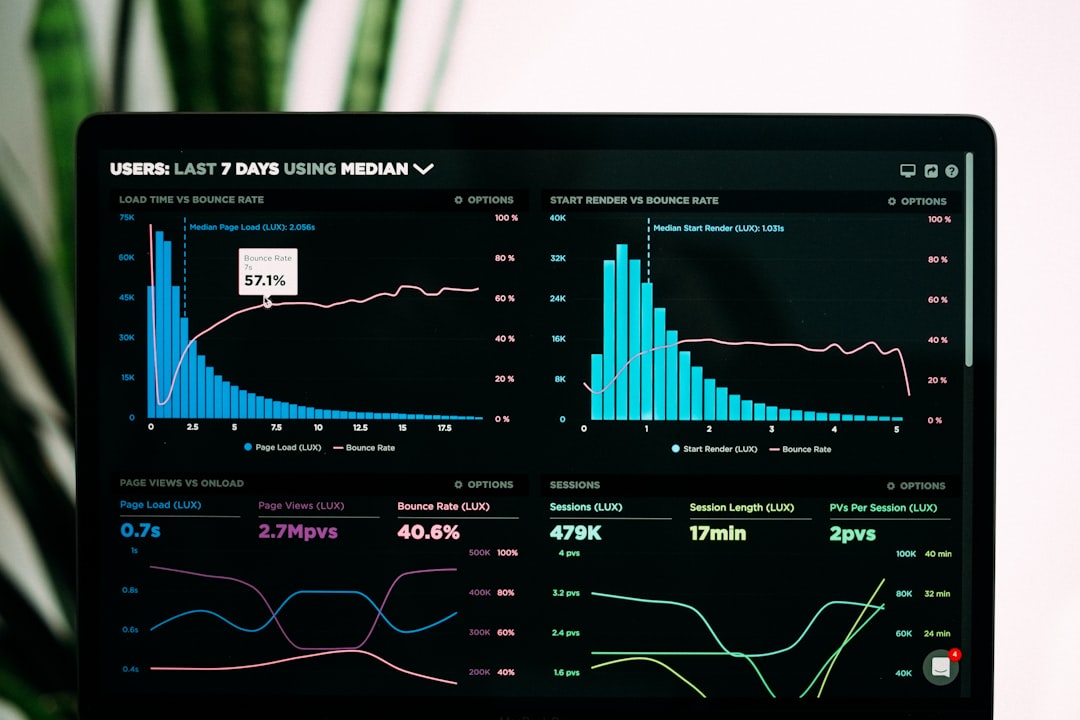
Search teams should also measure more than organic sessions. Track branded searches, referral traffic, newsletter signups, assisted conversions, video views, forum mentions, and direct visits. If those numbers rise, your search presence may be getting stronger even when Google clicks are flat.
What It Means for Users
For users, Googless habits can improve research quality. One search engine gives one ranking order. That order is useful, but it is not neutral. It reflects crawling limits, ranking rules, ads, location, personalization, and content availability.
Checking more than one source can expose weak answers. For medical, financial, legal, or safety topics, this matters. A quick cross-check with official sources, expert institutions, and specialist databases can prevent bad decisions.
Expect to waste time on some tools. Comparing the same query across three places can take 30 seconds longer than using only Google. But for high-stakes searches, that extra half minute is cheap insurance.
A practical Googless search process might look like this:
- Use Google or Bing for broad discovery and recent web pages.
- Use Reddit or forums for lived experience and common complaints.
- Use YouTube for demonstrations, repairs, software walkthroughs, and product use.
- Use official sources for rules, statistics, safety advice, and public records.
- Use AI tools for summaries, then verify claims through linked or named sources.
The AI Search Factor
AI systems are a major reason Googless thinking has gained force. They change search from “show me links” to “give me an answer.” That can be useful. It can also hide the source trail.
This creates two problems. First, publishers may receive less traffic even when their work informs the answer. Second, users may accept confident summaries that are incomplete or wrong.
For serious research, AI should be treated as an assistant, not an authority. Ask for sources. Check primary documents. Compare claims. If an answer affects health, money, law, or business strategy, verify it outside the chat box.
For publishers, the response is not to block every new tool by default. The better response is to make content clear, attributable, and hard to replace. Original reporting, unique data, specialist expertise, and strong brand identity are harder for AI summaries to flatten.

How to Prepare for a Googless Future
A serious plan does not start with panic. It starts with an audit.
- Measure dependency. What percentage of traffic, leads, and revenue comes from Google organic search?
- Map intent by channel. Where do users ask product questions, compare options, read reviews, or seek support?
- Build direct relationships. Email lists, memberships, apps, and communities reduce reliance on search platforms.
- Strengthen brand demand. If more people search for your name, you are less dependent on generic keywords.
- Repurpose content carefully. Turn strong articles into videos, comparison tables, short posts, guides, and FAQs.
- Protect credibility. Use real authors, update dates, citations, policies, and clear ownership details.
A reasonable target is not zero Google traffic. That would be unrealistic for many organizations. A better target is balance. If one channel change would cause a crisis, the mix is too fragile.
The Bottom Line
Googless is best understood as search resilience. It recognizes that discovery is now split across engines, AI tools, social platforms, communities, and direct relationships.
Google still matters. It will matter for years. But treating it as the whole search market is a risky habit. The safer approach is to earn visibility wherever people ask, compare, doubt, and decide.
For users, that means better verification. For businesses, it means lower dependency. For search professionals, it means a wider job with tougher measurement. The web is not less searchable. It is searchable in more places, and the winners will be the ones prepared for that shift.
Leave a Reply