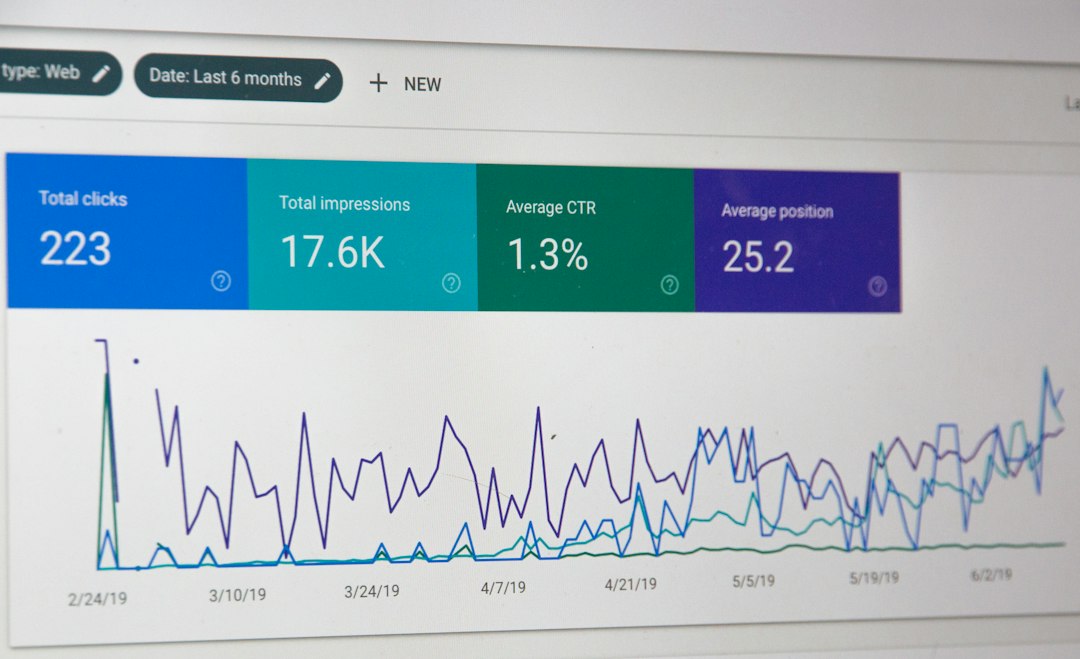
Use Semrush if your digital brand audit needs broad visibility data, and use Ahrefs if your audit lives or dies by backlink truth. That is the quick answer. Semrush is the big control room. Ahrefs is the sharp magnifying glass.
TLDR: Semrush is better for a full digital brand visibility audit because it covers SEO, ads, content, rankings, traffic estimates, social signals, and competitor gaps in one place. Ahrefs is stronger for backlink audits, authority checks, and finding who is talking about your brand across the web. For example, a small SaaS brand could use Semrush to find a 22% drop in branded search visibility, then use Ahrefs to discover that three high value review sites stopped linking to them. If you can only pick one, choose Semrush for the full audit and Ahrefs for link focused proof.
What is a digital brand audit?
A digital brand audit is a health check for your brand online. Simple as that.
It answers questions like:
- Do people search for your brand?
- Do you show up when they do?
- Do other sites mention you?
- Are competitors stealing attention?
- Is your content helping or just sitting there like a tired office plant?
This matters because brand visibility is not just your logo. It is search results. Reviews. Mentions. Backlinks. Ads. Featured snippets. Social buzz. Comparison pages. Even angry Reddit threads. Yes, those count too.
Semrush: the all in one brand audit toolbox
Semrush is built for marketers who want many answers in one place. It checks organic search, paid search, keyword rankings, competitor traffic, content gaps, local visibility, social media, and more.
That makes it very useful for a brand visibility audit. You can see how your brand appears across several channels. You can also see where competitors are beating you.
Useful Semrush features include:
- Position Tracking: Track branded and non branded keyword rankings.
- Organic Research: See which pages bring traffic to you and competitors.
- Keyword Gap: Find search terms competitors rank for but you do not.
- Brand Monitoring: Track mentions across the web.
- Traffic Analytics: Estimate visits, sources, and audience behavior.
- Advertising Research: See if rivals are buying ads around your niche.
This is great when you want the big picture. It also helps when you need to show a boss or client what is going on without opening twelve tools and crying into your coffee.
Honestly, it feels like Semrush wants to run the whole marketing meeting. Most of the time, that is helpful. Sometimes it is noisy. There are graphs everywhere. Tabs inside tabs. Reports inside reports. Expect to spend time setting filters correctly.
Ahrefs: the backlink detective
Ahrefs is famous for backlinks. It has one of the strongest link databases around. If your brand audit needs to know who links to you, who stopped linking, and which pages earn authority, Ahrefs is a beast.
For brand visibility, links matter. They show trust. They show reach. They also affect rankings. If respected sites mention your brand, Google may take you more seriously.
Useful Ahrefs features include:
- Site Explorer: Review backlinks, referring domains, top pages, and traffic estimates.
- Content Explorer: Find pages that mention topics, brands, or competitors.
- Rank Tracker: Track search rankings over time.
- Link Intersect: Find sites linking to competitors but not you.
- Alerts: Track new and lost backlinks or brand mentions.
Ahrefs is clean and fast. The interface is usually easier to read than Semrush. You type in a domain. You get the goods. Nice.
But it is not perfect. The brand monitoring side feels thinner than Semrush. Paid ad research is also not as deep. If you need a full marketing audit, Ahrefs may make you pull in extra tools. That gets old fast.
Image not found in postmetaBrand visibility audit: what each tool does best
Let’s keep this simple.
| Audit Area | Best Tool | Why |
|---|---|---|
| Branded keyword tracking | Semrush | Better keyword and visibility reporting. |
| Backlink quality | Ahrefs | Stronger link data and cleaner backlink reports. |
| Competitor search gaps | Semrush | Great keyword gap and domain comparison tools. |
| Lost links | Ahrefs | Simple view of dropped backlinks and referring domains. |
| Paid search visibility | Semrush | Much better ad research data. |
| Content mentions | Both | Semrush is broader. Ahrefs is better for link impact. |
A simple audit workflow
Here is a clean way to audit your brand without making it weird.
- Start with branded search. Check searches for your brand name, product names, founder names, and common misspellings.
- Check rankings. See if your site ranks first for your own name. If not, that is a red flag with flashing lights.
- Compare competitors. Look for keywords where rivals rank and you do not.
- Scan mentions. Find articles, reviews, list posts, podcasts, and forums that mention your brand.
- Audit backlinks. Check link quality, lost links, spam links, and link growth.
- Review top content. See which pages bring traffic and attention.
- Track change monthly. One audit is a photo. Monthly checks are the movie.
Semrush helps with steps 1, 2, 3, 4, 6, and 7. Ahrefs shines in steps 4 and 5. That tells you a lot.
Example: a small brand audit in action
Say you run an online coffee subscription called Bean Buddy. Cute name. Good beans. Slightly chaotic Instagram.
In Semrush, you find that branded searches rose from 1,900 to 2,450 per month in three months. Nice. But your organic visibility dropped by 14%. Weird.
You check competitors. One rival now ranks above you for “Bean Buddy reviews” because they created a comparison page. Annoying? Yes. Useful to know? Very.
Then you open Ahrefs. You find that two food blogs removed links to your gift guide. Those blogs had strong authority. Your guide also lost traffic after that. Now the story makes sense.
The fix is clear:
- Update the review page.
- Ask the food blogs to restore the links.
- Create a better comparison page.
- Track branded rankings for 30 days.
No magic. Just clues.

Where Semrush wins
Semrush wins when you need breadth. It is better for a complete digital brand visibility audit.
Pick Semrush if you need to:
- Report to clients or managers.
- Track branded and non branded rankings.
- Study competitor SEO and ads.
- Find content gaps.
- Monitor brand mentions.
- Build clean PDF reports.
The reporting tools are handy. The dashboards are strong. The keyword tools are deep. If your audit needs to explain the full story, Semrush usually gets you there faster.
Still, some reports feel stuffed. It can take 10 to 20 seconds more than expected to move between heavy competitor reports. Not tragic. Just enough to make you stare at the screen and question your snack choices.
Where Ahrefs wins
Ahrefs wins when links are the main story. It is sharp, focused, and very good at showing link strength.
Pick Ahrefs if you need to:
- Find new and lost backlinks.
- Check referring domains.
- Compare link authority with competitors.
- Find unlinked brand mentions.
- Study top linked content.
- Spot spammy links fast.
For PR teams, SEO teams, and content teams, this is gold. If a major site mentions your brand but does not link to you, Ahrefs can help you spot the chance. Then you can ask for the link. Politely. Like a normal human.
Which one should you choose?
If you want one tool for a full digital brand audit, choose Semrush. It covers more areas. It gives a stronger view of total visibility. It is also easier to turn into a report for people who do not live inside SEO tools.
If your main goal is link authority, choose Ahrefs. It is better for backlink research. It is also cleaner when you need to explain why one page outranks another.
The best setup is both. Use Semrush for the big picture. Use Ahrefs for link proof. That combo gives you search visibility, competitor data, mentions, content clues, and backlink truth.
Final pick: Semrush is the better main tool for auditing digital brand visibility. Ahrefs is the best sidekick for backlink depth. Together, they make your brand audit less guessy and a lot more useful.
Leave a Reply