Setmore is a familiar name in appointment scheduling, especially for small businesses that want online booking, reminders, staff calendars, and basic customer management without a complicated setup. But as teams grow, specialize, or need deeper integrations, many begin looking for a scheduling platform that better fits their workflow, budget, or customer experience goals.
TLDR: The best Setmore alternative depends on what you need most: simplicity, automation, payments, team scheduling, or industry-specific tools. Calendly is excellent for fast meeting booking, Acuity is strong for service businesses, Square Appointments is ideal for payment-focused scheduling, and SimplyBook.me works well for configurable booking pages. Before switching, compare integrations, reminder options, calendar syncing, payment features, and how easy the booking experience feels for customers.
Why Look for a Setmore Alternative?
Setmore offers a generous starting point for appointment scheduling, but it is not the perfect fit for every organization. Some users want more advanced customization, while others need stronger integrations with marketing tools, video conferencing platforms, customer relationship management software, or payment systems. Businesses in healthcare, consulting, beauty, wellness, education, and professional services may also need features tailored to their industry.
Common reasons to consider alternatives include:
- More flexible booking rules, such as buffer times, round robin assignment, or priority scheduling.
- Better branding options for booking pages and confirmation emails.
- Stronger payment support, including deposits, packages, subscriptions, and cancellation fees.
- Deeper integrations with tools like Google Calendar, Outlook, Zoom, Stripe, PayPal, Salesforce, HubSpot, or email marketing platforms.
- Improved reporting for tracking bookings, revenue, attendance, and staff performance.
The good news is that the appointment scheduling market is full of capable tools. The challenge is knowing which one matches your real use case rather than simply choosing the most popular name.

1. Calendly: Best for Simple and Professional Meeting Scheduling
Calendly is one of the most widely used scheduling tools, and for good reason. It makes booking meetings incredibly easy. Users create event types, connect their calendar, share a link, and let invitees choose a time that works. It is especially popular among sales teams, recruiters, consultants, coaches, and customer success teams.
Compared with Setmore, Calendly often feels more streamlined for professional meeting scheduling. It is not as focused on a storefront-style service booking experience, but it excels at eliminating back-and-forth emails.
Best features include:
- One-on-one, group, collective, and round robin scheduling.
- Strong calendar syncing with Google, Outlook, Microsoft 365, and iCloud.
- Automated reminders and follow-up workflows.
- Integrations with Zoom, Google Meet, Salesforce, HubSpot, Slack, and payment tools.
- Clean booking pages that are easy for clients and prospects to use.
Best for: Sales teams, recruiters, consultants, SaaS companies, and professionals who schedule lots of meetings.
2. Acuity Scheduling: Best for Service-Based Businesses
Acuity Scheduling, owned by Squarespace, is a strong Setmore alternative for businesses that sell appointments as services. It is especially useful for wellness professionals, tutors, therapists, coaches, salons, fitness instructors, and creative professionals.
Acuity offers detailed control over availability, intake forms, payments, packages, memberships, coupons, and appointment types. If your booking process involves collecting information from clients before the appointment, Acuity is particularly appealing.
Key strengths:
- Custom intake forms for gathering client details.
- Support for deposits, full payments, subscriptions, gift certificates, and packages.
- Client self-scheduling, rescheduling, and cancellation.
- Automated reminder emails and text messages.
- Integration with Squarespace websites and popular business tools.
Best for: Appointment-based businesses that need forms, payments, and flexible service booking.
3. Square Appointments: Best for Scheduling Plus Payments
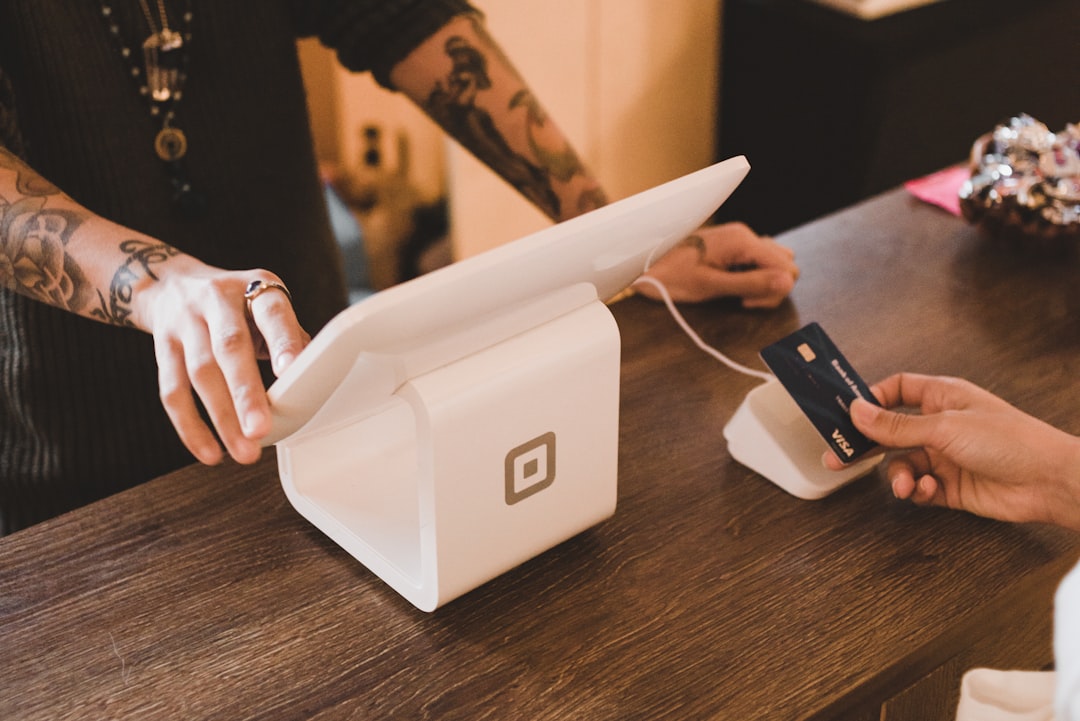
If payments are central to your appointment workflow, Square Appointments is one of the most practical alternatives to Setmore. It combines online booking, point-of-sale features, payment processing, customer profiles, invoices, and staff management in one ecosystem.
This makes it especially attractive for salons, barbers, massage therapists, spas, personal trainers, and independent professionals who already use Square hardware or payment processing. The booking experience is polished, and the connection between appointment scheduling and checkout is seamless.
Notable features include:
- Online booking sites for services and staff members.
- Integrated payment processing with Square.
- No-show protection through prepayment or card-on-file options.
- Customer profiles, purchase history, and appointment notes.
- Staff permissions, time tracking, and multi-location support on higher plans.
Best for: Businesses that want scheduling and payments in a single, reliable platform.
4. SimplyBook.me: Best for Custom Booking Websites
SimplyBook.me is a highly configurable scheduling platform with a strong focus on branded booking websites. It supports many industries, including medical clinics, schools, fitness studios, beauty services, consultants, and event-based businesses.
One of its biggest advantages is the number of optional features you can enable. These include memberships, coupons, classes, waiting lists, multiple locations, service add-ons, and client login portals. This modular approach is useful if you want to build a booking system that feels tailored without hiring a developer.
Why consider SimplyBook.me?
- Customizable booking pages with different templates.
- Support for classes, events, services, and multiple providers.
- Client app and admin app options.
- Marketing features such as promotions, coupons, and gift cards.
- Industry-specific functionality for clinics, educators, and wellness businesses.
Best for: Businesses that want a customizable online booking presence with many optional features.
5. Appointlet: Best for Lightweight B2B Scheduling
Appointlet is a straightforward scheduling tool designed for meetings, demos, interviews, and consultations. It is not as feature-heavy as some service-business platforms, but that can be a benefit if your team wants something simple, affordable, and easy to deploy.
Appointlet works well for B2B teams that need to embed scheduling pages on websites, connect calendars, and route meetings to the right people. It supports integrations with video conferencing tools and can be connected to other apps through automation platforms.
Best for: Startups, agencies, sales teams, and consultants looking for uncomplicated appointment booking.
6. SavvyCal: Best for a Better Guest Booking Experience
SavvyCal takes an interesting approach to scheduling by focusing heavily on the invitee’s experience. Instead of forcing guests to compare available times on a static page, SavvyCal lets them overlay their own calendar when choosing a slot. This small detail can make scheduling feel more collaborative and less transactional.
Its interface is polished, and it includes ranking preferences, team scheduling, calendar integrations, and personalized scheduling links. If you care deeply about how your booking flow feels to clients, investors, candidates, or partners, SavvyCal is worth a look.
Best for: Professionals who want a premium, considerate scheduling experience for guests.
7. Zoho Bookings: Best for Zoho Ecosystem Users
Zoho Bookings is a natural Setmore alternative for businesses already using Zoho CRM, Zoho Mail, Zoho Desk, or other Zoho applications. It provides appointment scheduling, calendar syncing, staff management, and customer notifications while fitting neatly into the broader Zoho ecosystem.
For teams that want scheduling data connected with sales, support, marketing, or operations, Zoho Bookings can be a smart choice. It may not have the same name recognition as Calendly, but it offers strong value, particularly for companies standardized on Zoho software.
Best for: Small and midsize businesses using Zoho tools for CRM, email, or customer management.
8. Doodle: Best for Group Poll Scheduling
Doodle is different from many Setmore alternatives because it is best known for group scheduling polls. Rather than asking one person to choose an open appointment slot, Doodle helps a group vote on times that work for everyone.
This is useful for board meetings, committee calls, academic groups, nonprofit teams, workshops, and internal planning sessions. Doodle also offers booking pages and one-on-one scheduling, but its group poll functionality remains its standout feature.
Best for: Teams and organizations that frequently coordinate meetings across many people.

9. Book Like A Boss: Best for Selling Services and Appointments
Book Like A Boss combines appointment scheduling with service sales pages. It allows users to create booking pages that include descriptions, images, pricing, testimonials, and calls to action. This makes it useful for entrepreneurs who want to promote and sell consultations, coaching sessions, classes, or digital services from one page.
Compared with Setmore, it leans more toward monetization and landing-page-style presentation. If your scheduling page needs to persuade visitors as well as collect appointments, this option may be a strong match.
Best for: Coaches, creators, consultants, and solopreneurs selling appointment-based offers.
10. Fresha: Best for Beauty and Wellness Businesses
Fresha is built specifically for beauty, wellness, and personal care businesses. Salons, spas, barbershops, nail studios, and massage clinics often need more than a general booking calendar. They need inventory, point of sale, client records, staff commissions, marketing campaigns, and marketplace visibility.
Fresha addresses these needs with an industry-focused platform. Its marketplace can also help customers discover local providers, which may be valuable for businesses looking to increase bookings.
Best for: Beauty and wellness businesses that want industry-specific scheduling and management tools.
How to Choose the Right Setmore Alternative
Before switching platforms, clarify what problem you are trying to solve. A tool that works beautifully for a sales team may feel awkward for a spa. A platform designed for paid appointments may be excessive for internal meetings. The right choice depends on your customers, your team, and your booking process.
Use this quick checklist:
- Booking type: Do you schedule consultations, services, classes, group meetings, or events?
- Payments: Do you need deposits, full prepayment, refunds, packages, or memberships?
- Team structure: Do appointments need to be assigned to specific staff, rotated, or pooled?
- Calendar sync: Does the tool work reliably with Google Calendar, Outlook, or Apple Calendar?
- Customer communication: Are email and SMS reminders customizable?
- Integrations: Does it connect to your CRM, website, email platform, video tool, or accounting software?
- Branding: Can you customize booking pages so they feel like part of your business?
- Scalability: Will the pricing and features still make sense as your team grows?
Final Thoughts
Setmore remains a useful scheduling solution, but it is only one option in a competitive category. Calendly is excellent for fast meeting scheduling, Acuity shines for service-based businesses, Square Appointments is hard to beat when payments matter, and SimplyBook.me offers impressive customization. Meanwhile, tools like SavvyCal, Zoho Bookings, Doodle, Book Like A Boss, and Fresha serve more specific needs.
The best approach is to list your must-have features, test two or three platforms, and walk through the booking experience from the customer’s perspective. A great scheduling tool should not simply fill your calendar; it should reduce friction, prevent missed appointments, support your brand, and make every booking feel effortless.
Leave a Reply