Use HubSpot to convert demand, and use Semrush to find where that demand should come from. For most B2B teams, the strongest growth system is not a choice between the two. It is a split of responsibilities. Semrush helps you spot search gaps, competitor plays, keyword intent, and content openings. HubSpot turns that traffic into leads, nurtures accounts, scores intent, and gives sales a cleaner path to revenue.
TLDR: Semrush is stronger for acquisition research, while HubSpot is stronger for pipeline conversion and retention. A SaaS company publishing 12 intent-led articles from Semrush data could raise organic demo traffic by 30% in six months, then use HubSpot workflows to lift lead-to-meeting conversion from 8% to 13%. If budget is tight, start with the tool that fixes your biggest leak: traffic quality or sales follow-up. The best B2B growth stack often uses both, with clear rules and clean reporting.
Where each tool fits in B2B growth
B2B growth hacking is not about cheap tricks. It is about fast testing, clean measurement, and repeatable revenue loops. That means every tool must serve a clear job.
- Semrush is best for finding demand before buyers land on your site.
- HubSpot is best for managing demand after buyers engage with your brand.
- Together, they support the full funnel: research, content, capture, nurture, sales handoff, and reporting.
Semrush answers questions like: What are buyers searching for? Which competitors are winning organic traffic? Which topics have commercial intent? HubSpot answers different questions: Who converted? Which account is warming up? Which campaign influenced pipeline?

Strategy 1: Build intent-led content with Semrush, then convert it with HubSpot
One of the most reliable B2B growth moves is to target search terms that show buying intent. These are not broad vanity keywords. They are terms like “best compliance software for fintech,” “HubSpot alternatives for enterprise,” or “SOC 2 automation pricing.”
Semrush helps you find these terms through keyword difficulty, volume, competitor rankings, SERP features, and content gaps. The smart play is to group keywords by buyer stage:
- Problem aware: “how to reduce manual reporting time”
- Solution aware: “automated reporting software for agencies”
- Vendor aware: “product A vs product B”
- Purchase ready: “enterprise reporting software pricing”
Then HubSpot takes over. Each article should have a matched call to action. Not every visitor needs a demo button. Some need a checklist, ROI calculator, webinar, or comparison guide. HubSpot forms, landing pages, smart content, and workflows help route each lead by intent.
It drives me crazy when teams spend three months producing search content, then send every click to the same generic “Contact us” page. That wastes intent. A visitor reading a pricing comparison should trigger a different follow-up than a visitor reading a beginner guide.
Strategy 2: Use competitor data to shape campaigns
Semrush is especially useful when your market is crowded. You can see which competitors gain traffic from comparison pages, glossary content, product-led pages, review queries, and educational articles. This gives your team a practical map of what works.
But copying competitors is risky. The goal is to find weak spots. Look for pages that rank but have thin content, stale data, vague claims, or poor conversion paths. Then build a better asset and connect it to a stronger offer in HubSpot.
For example, if a competitor ranks for “best procurement software for mid market companies,” review the page closely. Does it include pricing signals? Does it answer security concerns? Does it compare implementation time? If not, your page can win by being more useful and more specific.
Once the page is live, HubSpot can track form fills, meetings booked, lifecycle stage movement, and influenced revenue. This matters because traffic without pipeline is just noise.
Strategy 3: Score accounts, not just leads
B2B buying groups are messy. One person reads a blog post. Another joins a webinar. A third asks procurement questions. If your reporting treats each person as isolated, you miss buying signals.
HubSpot is stronger here. Its CRM, company records, lead scoring, workflows, and sales alerts help teams act on account-level activity. A simple scoring model may include:
- 10 points for visiting a pricing page
- 15 points for downloading a buyer guide
- 20 points for attending a product webinar
- 30 points when two or more contacts from the same company engage within 14 days
Semrush cannot manage this sales process. It can feed the top of the funnel, but HubSpot helps decide when sales should act. That distinction matters for scaling.
Strategy 4: Run fast landing page tests
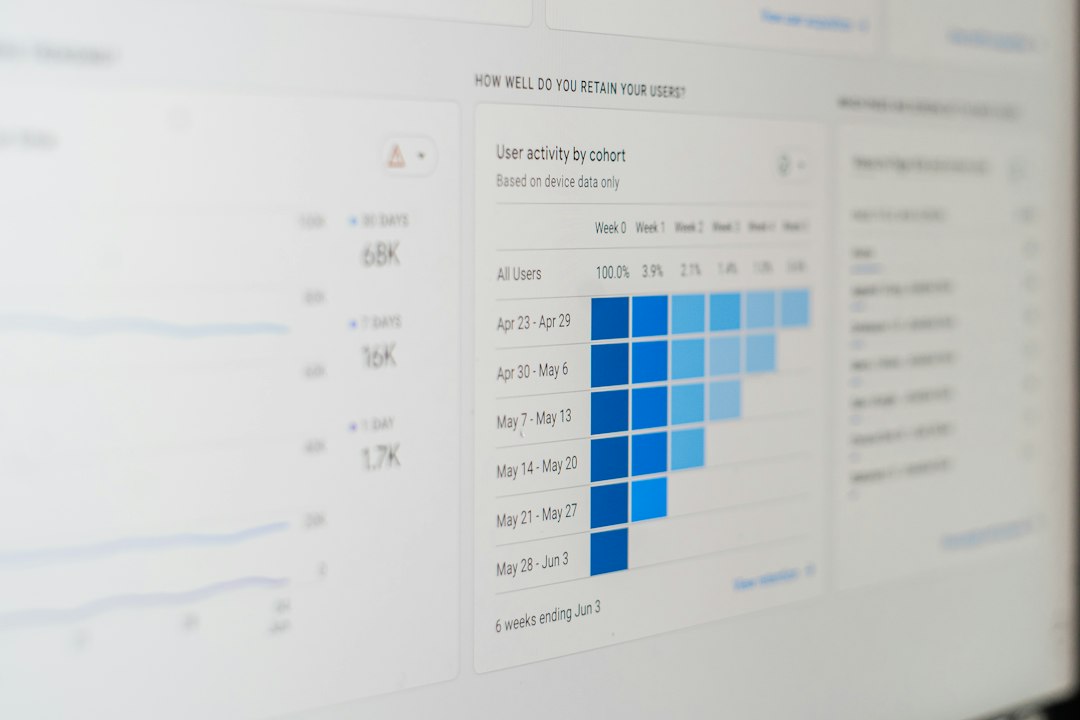
Growth hacking depends on short feedback cycles. HubSpot supports this through landing pages, forms, email sequences, CTAs, and campaign reporting. You can test offers without waiting for a full site rebuild.
Test one variable at a time. Keep it boring and measurable:
- Demo request vs ROI calculator
- Short form vs multi-step form
- Industry-specific headline vs general headline
- Webinar replay vs downloadable guide
- Sales follow-up within 5 minutes vs within 24 hours
Honestly, it feels like many teams blame “bad traffic” before checking whether their offer is weak. If 1,000 targeted visitors produce only 4 leads, the page may be the issue. If 100 qualified leads produce only 2 meetings, the handoff may be broken.
HubSpot strengths and limits
HubSpot is excellent for B2B teams that need order. It brings marketing, CRM, sales activity, email, automation, and reporting into one system. That reduces tool sprawl and gives leadership a clearer view of pipeline health.
Main strengths include:
- Strong CRM and contact management
- Automated lead nurturing
- Landing pages and forms
- Sales pipeline tracking
- Campaign attribution
- Useful integrations with ad, webinar, and data tools
The downside is cost and setup effort. HubSpot can become expensive as contact volume, required features, and sales seats grow. Reporting also needs discipline. If lifecycle stages, deal sources, and campaign rules are messy, the dashboards will mislead you.
Semrush strengths and limits
Semrush is excellent for acquisition intelligence. It gives marketers a sharp view of search demand, keyword gaps, backlinks, paid search activity, and competitor visibility. For B2B content teams, it can prevent months of guesswork.
Main strengths include:
- Keyword and topic research
- Competitor traffic analysis
- SEO audits
- Backlink tracking
- Paid search research
- Content planning support
The downside is that Semrush does not close the loop on revenue by itself. You can see rankings and traffic estimates, but you still need CRM data to prove which content creates sales opportunities. Also, some traffic estimates are directional. Treat them as signals, not exact truth.
Which tool should you choose first?
Choose based on your current bottleneck.
- Choose Semrush first if your website has weak organic traffic, unclear content priorities, or poor visibility against competitors.
- Choose HubSpot first if you already get leads but lose them through slow follow-up, weak nurturing, poor CRM hygiene, or unclear sales ownership.
- Use both if you need a scalable growth engine from search demand to closed revenue.
A practical sequence works well. Use Semrush to identify 30 high-intent topics. Publish the first 10 with strong conversion paths. Use HubSpot to track leads, meetings, and deals from those pages. After 90 days, cut topics that bring low-fit traffic and double down on pages that create qualified pipeline.

A simple 90-day B2B growth plan
Days 1 to 15: Audit competitors in Semrush. Build a keyword list by funnel stage. In HubSpot, clean lifecycle stages and define what counts as a marketing qualified lead.
Days 16 to 45: Publish five to eight intent-led pages. Create matching HubSpot forms, CTAs, and workflows. Set alerts for high-intent actions, such as pricing visits or repeat company engagement.
Days 46 to 75: Test landing page offers. Compare conversion rates by traffic source and content type. Review sales response time. Fix slow handoffs first.
Days 76 to 90: Review pipeline, not just traffic. Keep campaigns that create qualified opportunities. Pause content that attracts students, job seekers, or low-fit visitors.
Final recommendation
For scaling B2B growth, Semrush finds the demand and HubSpot monetizes it. Semrush gives your team sharper acquisition bets. HubSpot gives your team the system to convert, nurture, and measure those bets. If you must pick one, pick the tool that fixes the leak closest to revenue. If you can use both well, the combination is far stronger than either tool alone.
Leave a Reply