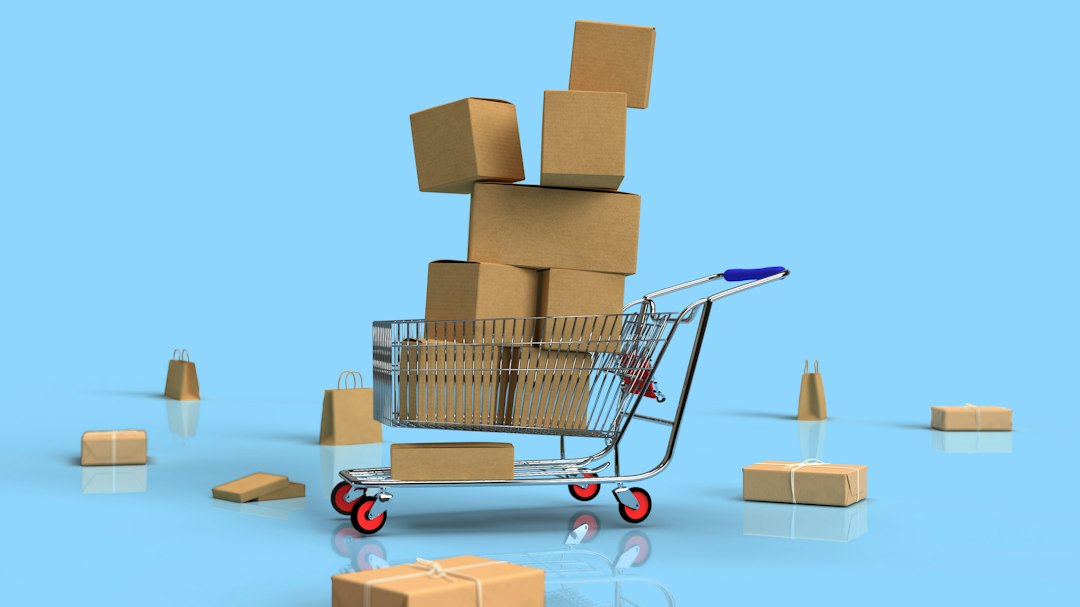
The best abandoned cart email strategy is a reminder sequence first, with personalized discounts used selectively. Most stores lose money by offering a coupon too early, especially when the shopper only needed a shipping answer, a trust signal, or a second look. The average documented cart abandonment rate sits near 70%, which means recovery email strategy affects real revenue, not just marketing dashboards [source: Baymard Institute].
TLDR: Start with a clean reminder sequence, then add a personalized discount only when the shopper shows price resistance or fails to convert after one or two messages. For example, a store with 10,000 abandoned carts per month and a 6% recovery rate gets 600 orders back; if it gives every shopper 15% off, margin may suffer fast. A better test is to send no discount in email one, a soft incentive in email two, and a stronger offer only to high-value or repeat visitors. This protects profit while still recovering lost orders.
Why reminder sequences usually win first
A reminder sequence works because many carts are not truly rejected. The shopper may have been interrupted. They may have wanted to compare shipping costs. They may have opened another tab and forgotten the session. Sending an instant discount treats every abandoned cart as a price objection, which is often wrong.
A serious reminder email should do three things:
- Show the exact product left behind. Include the image, name, size, color, and price.
- Remove doubt. Mention returns, warranty, secure checkout, delivery times, and support.
- Make the next step obvious. Use one clear button, such as Return to cart.
This approach protects brand value. It also trains customers less aggressively. If shoppers learn that leaving the cart always triggers a coupon, some will wait for it. That is not clever marketing. That is giving away margin to people who may have bought anyway.
Where personalized discounts make sense
Personalized discounts are not bad. They are just often used too early. A discount is most useful when the customer shows signs that price is the problem. That may include repeated cart visits, high shipping cost exposure, long hesitation, or comparison behavior across several products.
Good discount personalization can be based on:
- Cart value: Offer free shipping over a set threshold instead of a flat percentage.
- Customer status: Give returning customers a loyalty perk, not a generic coupon.
- Inventory: Avoid discounting items with low stock or high demand.
- Margin: Never apply the same discount to every product category.
- Behavior: Send stronger offers only after non-response.
It drives me crazy when email tools make coupon logic feel automatic but hide margin impact behind pretty templates. A campaign can look successful while quietly reducing profit per order. Recovery rate alone is not enough. You need to track net revenue, contribution margin, discount cost, and repeat purchase behavior.
Recommended abandoned cart sequence
A strong sequence is usually three emails. Keep the timing tight, but not frantic. The goal is to help, remind, and then persuade.
-
Email 1: Simple reminder, no discount.
Send this within 1 to 3 hours. Use the product image, cart details, and a clear checkout link. Mention support in case the shopper had a question. Subject lines can be direct: You left something in your cart or Your cart is still saved.
-
Email 2: Objection handler.
Send this around 18 to 24 hours later. Add reviews, delivery clarity, return policy, payment options, and urgency if it is true. This is where free shipping can work well, especially if shipping cost is a common drop-off point.
-
Email 3: Selective incentive.
Send this after 48 to 72 hours. Use a discount only for segments where it makes sense. A first-time visitor with a low-margin item may get no offer. A high-value cart or returning customer may get 10% off, free shipping, or a bonus item.
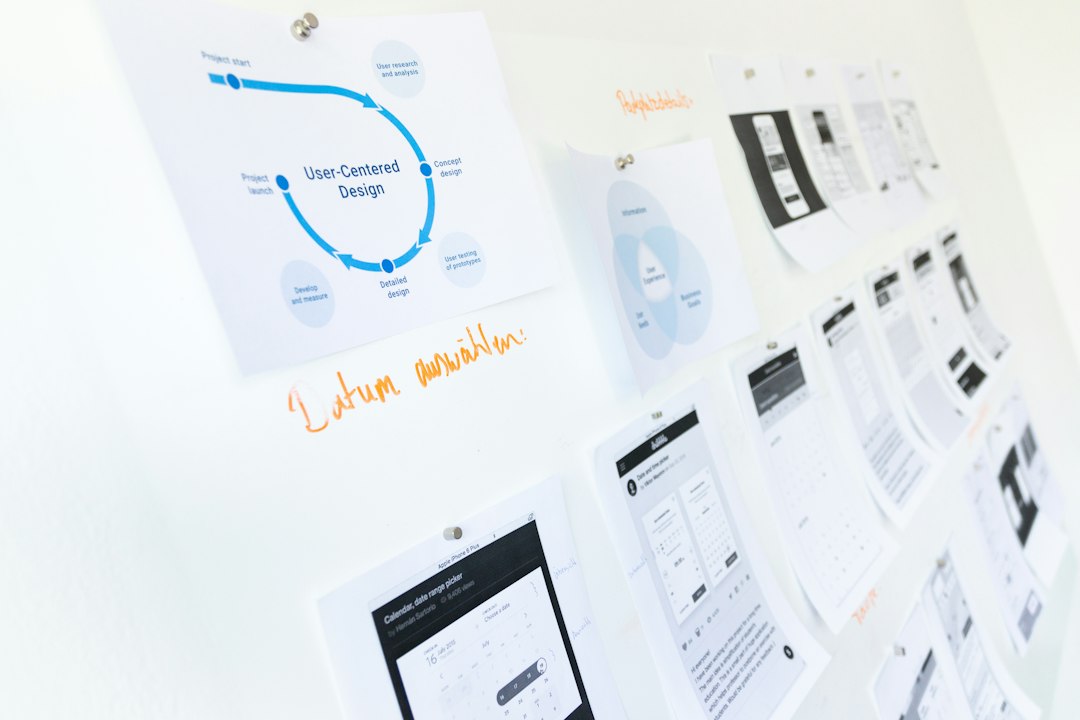
Personalized discount vs reminder sequence: the real comparison
The fair comparison is not “discount or no discount.” It is profit-first recovery versus blanket coupon recovery.
| Approach | Best for | Main risk |
|---|---|---|
| Reminder sequence | Protecting margin, recovering distracted shoppers, building trust | May underperform when price is the real objection |
| Personalized discount | Price-sensitive shoppers, high-value carts, hesitant repeat visitors | Can train shoppers to abandon carts for coupons |
A reminder sequence is usually the safer default. It respects the customer and the business. Personalized discounts should act like a scalpel, not a shovel. Use them to cut through specific friction, not to bury every order under a coupon.
A practical user case
Consider a mid-sized skincare store with 5,000 abandoned carts per month and an average order value of $64. Its old campaign sent a 15% discount one hour after abandonment. It recovered 7.5% of carts, or 375 orders, but gave away about $3,600 in discounts before considering product margin.
The store then tested a three-email sequence. Email one had no discount. Email two answered shipping and return concerns. Email three offered 10% off only to carts above $80 or returning customers. Recovery dropped slightly to 7.1%, or 355 orders, but discount cost fell by more than half. Profit improved even though recovered order count looked lower. That is the kind of result many teams miss when they only watch conversion rate.
What a strong abandoned cart email must include
Whether you use discounts or not, the email must feel specific. Generic reminders are easy to ignore. The shopper should instantly recognize the item and the reason to return.
- Product block: Image, item name, quantity, variants, and price.
- Clear call to action: One primary checkout button above the fold.
- Trust signals: Reviews, secure payment icons, guarantees, or customer support.
- Helpful copy: Short text that sounds human, not needy.
- Cart persistence: The button should restore the cart without extra steps.
Honestly, it feels like some platforms still make cart restoration harder than it should be. If the user clicks back and has to reselect size, color, or shipping method, expect lost orders. That extra friction can kill recovery, even when the email copy is good.
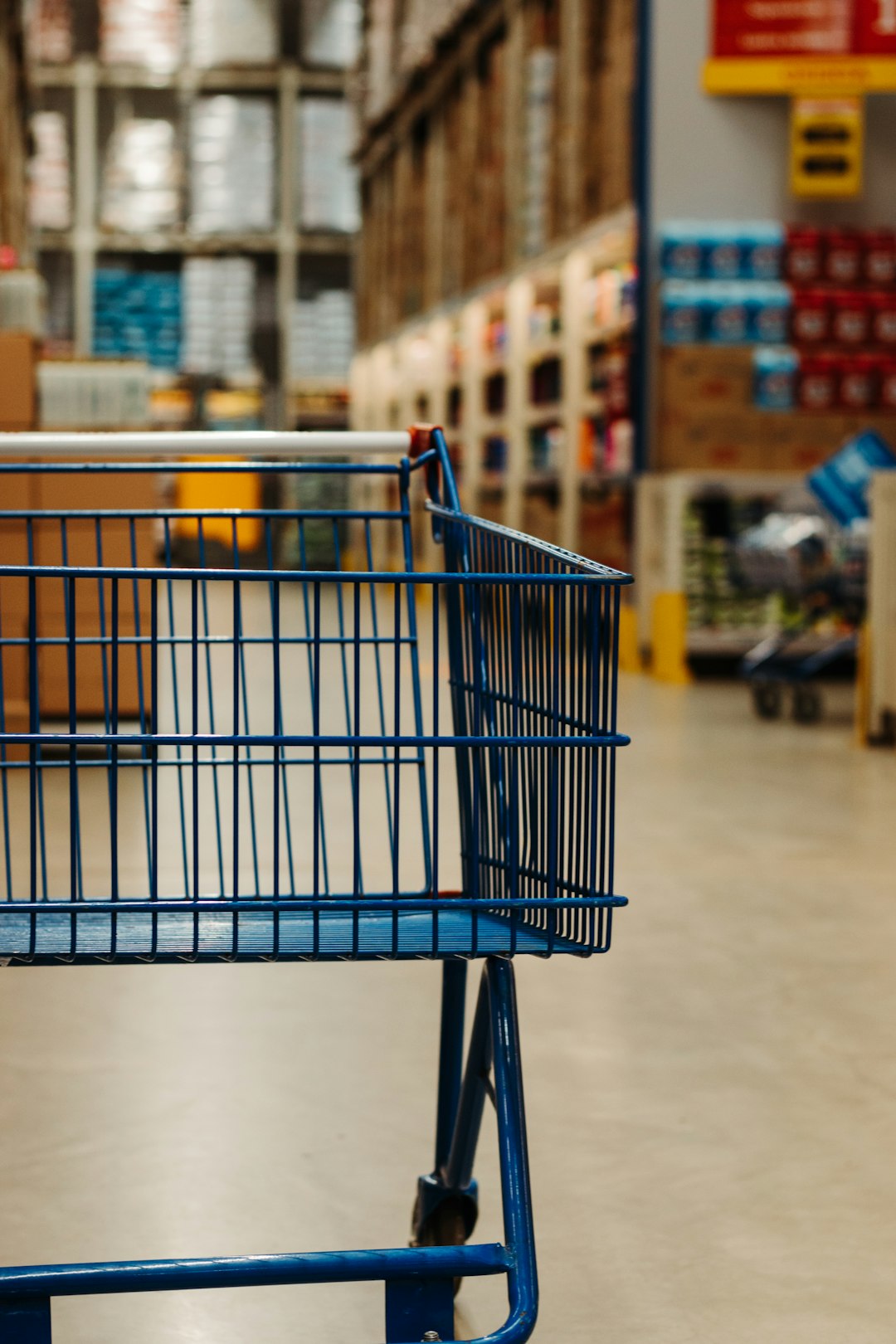
How to test without damaging profit
Run tests by segment, not only by campaign. Compare first-time shoppers, returning customers, low-margin products, high-margin products, and high-value carts. Keep the test long enough to capture buying cycles. A weekend-only test can mislead you.
Track these metrics:
- Recovered revenue
- Recovered profit
- Discount cost
- Conversion rate by email number
- Unsubscribe rate
- Repeat purchase rate
The winning campaign is not always the one with the highest number of recovered carts. A campaign that recovers fewer orders with better margin may be the smarter choice.
Best answer for most stores
Use a reminder-first abandoned cart sequence as your baseline. Add personalized discounts only after behavior suggests hesitation, price concern, or high customer value. Keep the first email clean. Let the second email answer doubts. Save discounts for the third email or for carefully chosen segments.
This method is more disciplined. It avoids panic discounting. It also gives you cleaner data. You learn who needed a reminder, who needed reassurance, and who truly needed an incentive. That is how abandoned cart email moves from a simple recovery tactic to a profitable retention system.
Leave a Reply