
For organizations with frontline, field, retail, healthcare, logistics, manufacturing, hospitality, or construction teams, communication can be difficult because many employees do not sit at a desk or regularly check email. These deskless workers often rely on mobile devices, shift briefings, noticeboards, supervisors, or informal conversations to receive updates. When information flow is slow or inconsistent, engagement drops, mistakes increase, and employees may feel disconnected from company goals.
TLDR: Effective internal communication for deskless workers requires mobile-first tools, clear messaging, two-way feedback, and consistent leadership communication. Organizations should avoid relying only on email and instead use channels that match how frontline employees work. The best strategies combine digital platforms, manager enablement, recognition, training, and measurable communication habits. When done well, communication becomes faster, more inclusive, and more engaging.
Why Deskless Worker Communication Needs a Different Approach
Deskless employees usually work away from corporate offices, often in fast-paced environments where they cannot pause to read long updates. Traditional communication methods, such as lengthy emails or intranet posts, may not reach them at the right time. As a result, important messages about safety, scheduling, policy changes, customer service standards, or company news may be missed.
Strong internal communication strategies must respect the realities of frontline work. Messages should be short, accessible, timely, and actionable. Communication should also help employees feel heard, not simply informed. The following eight strategies can improve engagement and help information move more smoothly across the organization.
1. Use Mobile-First Communication Channels
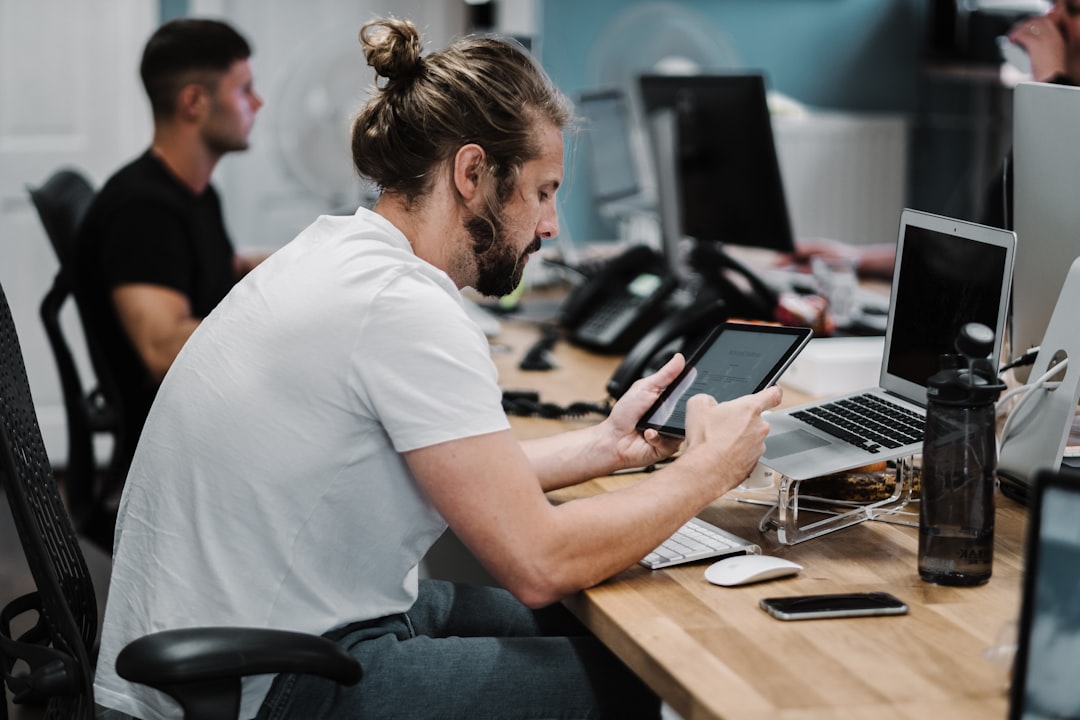
Since many deskless workers do not have regular access to a computer, communication should be designed around mobile devices. A mobile-first employee app, SMS system, or secure messaging platform can help deliver updates directly to employees wherever they are working.
Mobile communication should make it easy to view shift updates, announcements, training materials, safety alerts, and company news. However, organizations should avoid overwhelming employees with too many notifications. Messages should be prioritized so that urgent updates stand out from general information.
Best practice: communication teams should create clear categories for messages, such as urgent alerts, team updates, HR information, and recognition.
2. Keep Messages Short, Clear, and Relevant
Deskless workers often need information quickly. A long announcement filled with corporate language may be ignored, even if the content is important. Clear communication should answer three questions: What is changing? Why does it matter? What action is required?
Plain language is especially important for teams with different education levels, languages, or job types. When possible, organizations should use bullet points, visuals, short videos, and simple instructions. The goal is not to reduce professionalism, but to make communication easier to understand and apply.
- Use direct subject lines that explain the purpose of the message.
- Place the most important information first so employees do not have to search for it.
- Avoid jargon unless it is commonly used by the frontline team.
- Include one clear call to action when a response or behavior change is needed.
3. Equip Managers to Be Communication Connectors
Supervisors and team leaders play a central role in communication with deskless workers. Many frontline employees trust their direct manager more than corporate messages. Because of this, managers should not simply forward announcements; they should understand the message, explain it clearly, and answer questions.
Organizations can support managers with talking points, briefing notes, FAQs, and quick training. This helps ensure that employees in different locations receive the same message. It also reduces confusion when important changes are introduced.
Manager communication should be consistent, human, and practical. When leaders explain how a decision affects daily work, employees are more likely to pay attention and respond positively.
4. Create Two-Way Feedback Channels
Engagement improves when deskless workers have a voice. Communication should not only move from leadership to employees; it should also allow employees to share ideas, report concerns, ask questions, and provide feedback.
Digital surveys, pulse checks, suggestion forms, comment features, and anonymous reporting tools can help employees speak up. In-person listening sessions and shift huddles are also valuable, especially when teams have limited digital access.
To build trust, organizations must respond to feedback. If employees give input but never hear what happened next, they may stop participating. Leaders should regularly communicate what was learned and what actions are being taken.
5. Use Visual and Video Communication
Visual communication is highly effective for deskless teams because it can explain information faster than text alone. Short videos from leaders, safety demonstrations, process diagrams, infographics, and photo-based instructions can make updates more engaging and memorable.
For example, a warehouse team may benefit from a short video showing a new packing process. A healthcare team may need a visual checklist for compliance steps. A retail team may learn faster from photos showing a new product display standard.

Videos should remain brief, ideally under two minutes for routine updates. Captions can improve accessibility and help employees watch content in noisy environments or shared spaces.
6. Personalize Communication by Role, Location, and Shift
Not every employee needs every message. Sending irrelevant updates can cause employees to tune out. A better approach is to segment communication by role, location, department, region, language, or shift pattern.
Personalization helps employees receive information that applies to their work. For example, a maintenance team may need equipment alerts, while a customer-facing team may need service updates. A night-shift team may need a different communication schedule than a day-shift team.
Targeted communication also supports inclusion. Employees in remote sites, satellite locations, or nontraditional shifts should receive the same quality of information as employees near headquarters.
7. Recognize Employees and Celebrate Frontline Wins
Internal communication is not only about instructions and updates. It is also an opportunity to build culture. Recognition can make deskless workers feel valued, especially when their contributions are often less visible to corporate leaders.
Organizations can share employee spotlights, team achievements, customer compliments, safety milestones, service awards, and peer recognition. These messages help connect individual work to broader organizational success.
Recognition should be specific. Instead of saying that a team did a good job, communication should explain what they did and why it mattered. Specific praise feels more authentic and reinforces the behaviors the organization wants to encourage.
8. Measure Communication Effectiveness and Improve Continuously
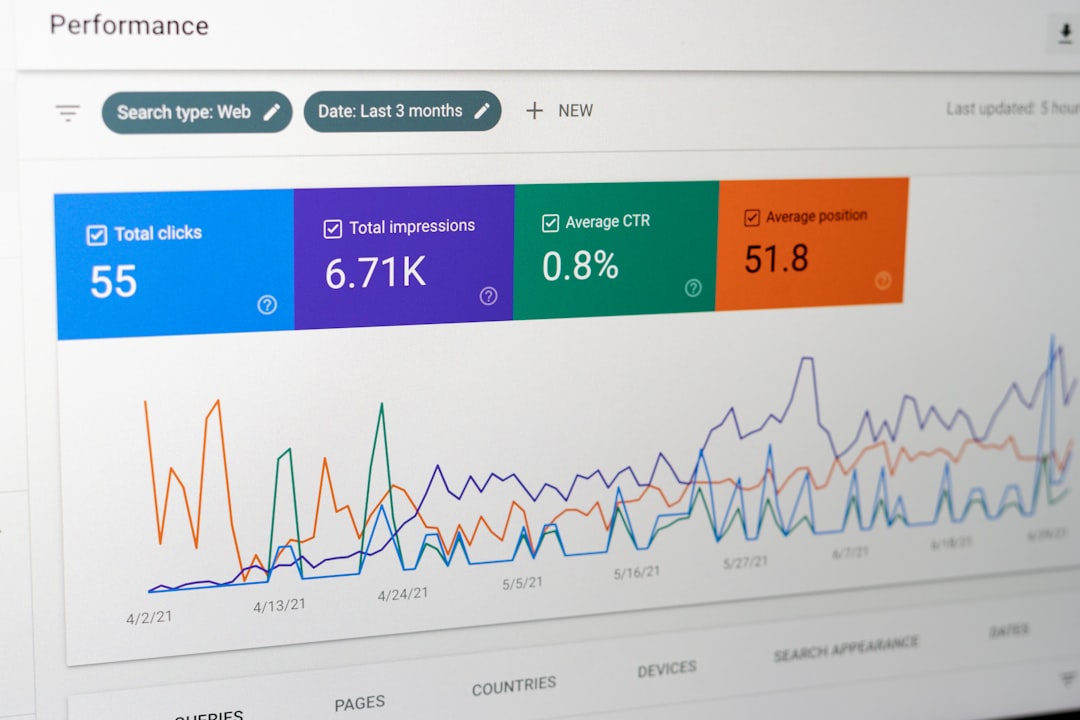
To improve information flow, organizations need to understand what is working. Metrics can include message open rates, survey participation, feedback volume, training completion, event attendance, and employee sentiment scores. However, numbers should be combined with real conversations to understand the full picture.
Communication teams should review which channels employees use most, which messages create confusion, and where delays happen. They should also compare engagement across locations, departments, and shifts to identify gaps.
Continuous improvement is essential because deskless work environments change often. New tools, staffing patterns, regulations, and operational needs can affect how employees prefer to receive information. A successful strategy should be flexible enough to evolve.
Building a Stronger Communication Culture
Improving internal communication for deskless workers is not a one-time project. It requires a culture where information is shared clearly, managers are supported, employees are heard, and communication tools are easy to use. When organizations treat deskless workers as a central audience rather than an afterthought, engagement becomes stronger.
The most effective strategies combine technology with human connection. Mobile platforms can improve reach, but trust is built through consistency, relevance, and follow-through. When employees receive the right information at the right time, they can do their jobs with more confidence and feel more connected to the organization’s mission.
FAQ
What are deskless workers?
Deskless workers are employees who do not primarily work at a desk or computer. They may work in retail stores, hospitals, factories, warehouses, restaurants, construction sites, transportation, or field service roles.
Why is email often ineffective for deskless workers?
Email may be ineffective because many deskless workers do not have regular access to a work computer or may not check email during shifts. Mobile-first and manager-led communication often reaches them faster.
What is the best communication tool for deskless employees?
The best tool depends on the workforce, but mobile employee apps, SMS alerts, digital signage, team messaging platforms, and shift huddles are commonly effective. The tool should be easy to access and simple to use.
How can organizations increase engagement among deskless teams?
Organizations can increase engagement by sharing relevant updates, recognizing employee contributions, asking for feedback, supporting managers, and ensuring employees understand how their work connects to company goals.
How often should companies communicate with deskless workers?
Communication should be regular but not excessive. Urgent updates should be sent immediately, while general news can follow a predictable schedule, such as weekly or biweekly updates.
Leave a Reply