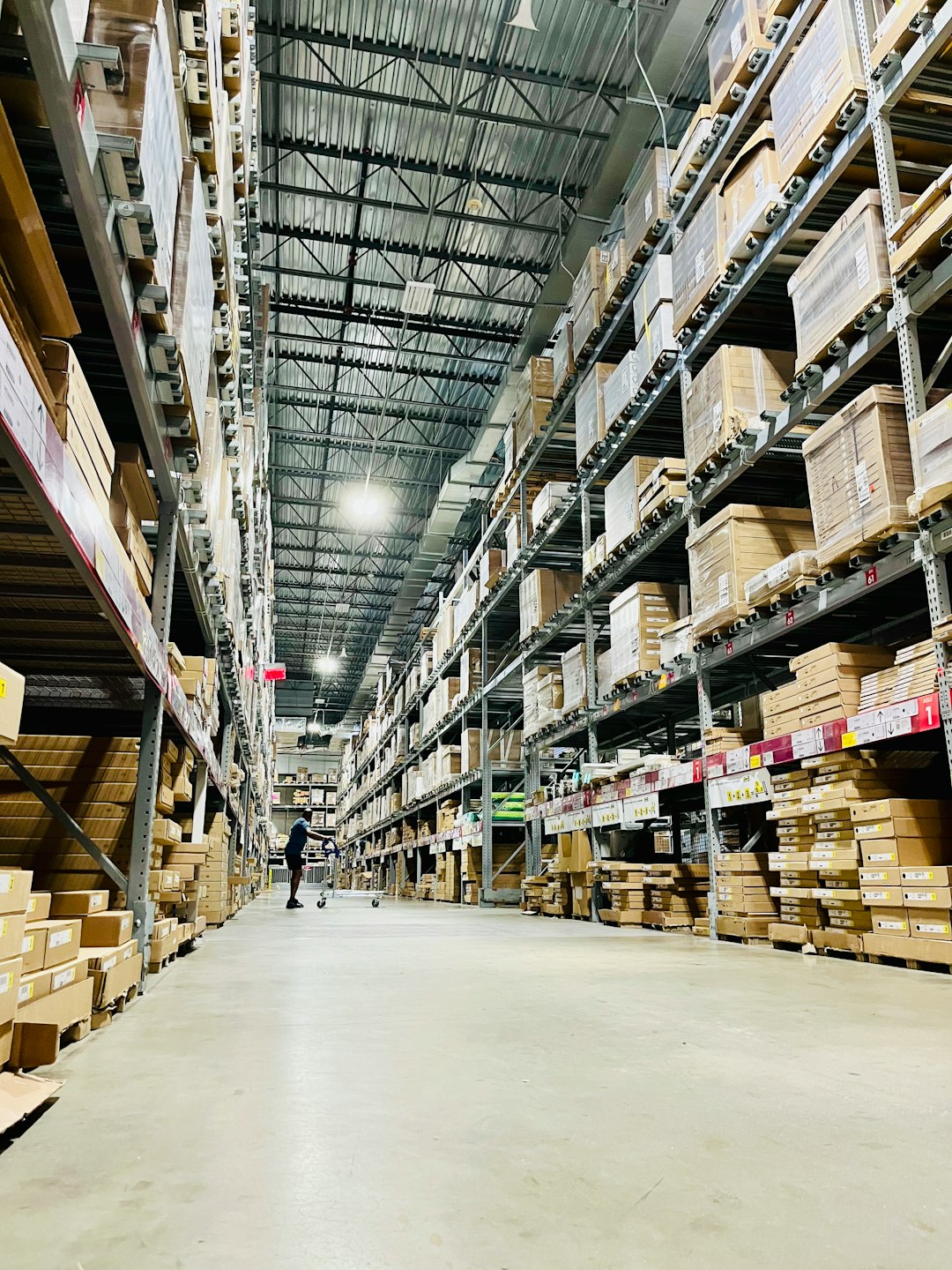
Inventory is one of the most important items on a company’s balance sheet, especially for retailers, wholesalers, manufacturers, restaurants, and many product-based businesses. Whether inventory is treated as a current asset affects how investors, lenders, managers, and business owners understand liquidity, working capital, and short-term financial health.
TLDR: Yes, inventory is generally classified as a current asset because businesses usually expect to sell it, use it, or convert it into cash within one year or one operating cycle. Inventory appears on the balance sheet alongside other current assets such as cash, accounts receivable, and prepaid expenses. However, inventory is less liquid than cash because it must first be sold before it becomes money.
What Is Inventory?
Inventory refers to the goods and materials a business holds for sale, production, or use in delivering products to customers. It is a key part of operations for companies that sell physical goods. For example, a clothing store’s inventory includes shirts, shoes, and accessories. A furniture manufacturer’s inventory includes lumber, fabric, unfinished chairs, and completed tables ready for sale.
Inventory can take several forms, depending on the type of business:
- Raw materials: Basic materials used to make finished products, such as steel, wood, fabric, or flour.
- Work in progress: Partially completed goods that are still in the production process.
- Finished goods: Completed products ready to be sold to customers.
- Merchandise inventory: Finished goods purchased by a retailer or wholesaler for resale.
- Supplies: Items used in production or operations, although not always classified as inventory depending on accounting treatment.

Is Inventory a Current Asset?
In most cases, inventory is a current asset. A current asset is an asset that a company expects to convert into cash, sell, or use within one year or within the normal operating cycle of the business, whichever is longer. Since inventory is normally purchased or produced with the intention of being sold, it fits this definition.
For example, a grocery store buys food products to sell to customers over days or weeks. A car dealership purchases vehicles with the expectation that they will be sold within months. A manufacturer produces goods that it expects to sell during its operating cycle. In each case, inventory is held for short-term business use and is therefore reported as a current asset.
On the balance sheet, inventory is usually listed under current assets, often after cash, marketable securities, and accounts receivable. This order commonly reflects liquidity, meaning how quickly an asset can be converted into cash. Inventory is current, but it is generally not as liquid as cash or receivables because a sale must occur first.
Why Inventory Is Considered a Current Asset
Inventory qualifies as a current asset for several practical and accounting reasons:
- It is intended for sale: Businesses hold inventory primarily to generate revenue.
- It is expected to turn into cash: Once inventory is sold, it becomes cash or accounts receivable.
- It supports the operating cycle: Inventory is part of the normal process of buying, producing, selling, and collecting payment.
- It is usually used within a short period: Most businesses expect inventory to be sold or consumed within one year.
The concept of the operating cycle is especially important. Some businesses, such as construction, shipbuilding, or specialized manufacturing companies, may have operating cycles longer than one year. In those cases, inventory can still be classified as current if it is expected to be sold or used during the normal operating cycle.
Examples of Inventory as a Current Asset
Consider a small electronics retailer. It has $20,000 in smartphones, headphones, and chargers available for sale. These items are inventory because they are held for resale. They are current assets because the retailer expects to sell them within the next year.
Now consider a bakery. Its flour, sugar, butter, and packaging materials may be part of inventory if they are used to produce baked goods for sale. Cakes and bread that are finished and ready for customers are also inventory. Because the bakery expects to sell these products quickly, the inventory is clearly a current asset.
A manufacturing company provides a slightly more complex example. Suppose it produces office chairs. Its inventory may include raw materials such as metal frames and fabric, work in progress such as partly assembled chairs, and finished chairs ready for shipment. All of these inventory categories are usually current assets because they are part of the company’s normal production and sales cycle.
Inventory on the Balance Sheet
Inventory is reported as an asset because it has economic value. The business has either paid for it, produced it, or expects it to help generate future revenue. On a simplified balance sheet, current assets may look like this:
- Cash: $50,000
- Accounts receivable: $35,000
- Inventory: $80,000
- Prepaid expenses: $10,000
- Total current assets: $175,000
In this example, inventory is the largest current asset. That may be normal for a product-based business. However, a high inventory balance should be reviewed carefully. It may indicate strong sales preparation, but it may also suggest slow-moving products, overstocking, or cash tied up in goods that are difficult to sell.
Is Inventory Always a Current Asset?
Inventory is usually a current asset, but there are situations where careful judgment is needed. If goods are obsolete, damaged, or unlikely to be sold, they may need to be written down to a lower value. Accounting standards generally require inventory to be reported at the lower of cost or net realizable value, meaning it should not be shown at an amount higher than what the business reasonably expects to recover.
For instance, if a retailer has outdated electronics that originally cost $30,000 but can now only be sold for $12,000, the inventory value may need to be reduced. The items may still be classified under current assets, but their carrying value must reflect economic reality.
In rare cases, some goods may not qualify as current if they are not expected to be sold, used, or converted into cash within the operating cycle. However, for ordinary business inventory held for sale or production, current asset classification is the standard treatment.
Inventory Compared with Other Current Assets
Inventory differs from other current assets because it involves more uncertainty. Cash is already money. Accounts receivable represents amounts owed by customers, usually expected to be collected in the near term. Inventory, however, must be sold first, and the sale depends on demand, pricing, quality, and market conditions.
This distinction matters when analyzing liquidity. A company may appear financially healthy because it has substantial current assets, but if most of those assets are slow-moving inventory, it may still struggle to pay bills on time. For this reason, analysts often use liquidity ratios that treat inventory cautiously.
- Current ratio: Current assets divided by current liabilities. Inventory is included.
- Quick ratio: Cash, marketable securities, and accounts receivable divided by current liabilities. Inventory is usually excluded.
The quick ratio excludes inventory because inventory may not be immediately convertible into cash. This does not mean inventory lacks value; it simply means it is less liquid than some other current assets.
Image not found in postmetaWhy Inventory Management Matters
Because inventory is a current asset, managing it well is essential for cash flow and profitability. Too little inventory can lead to stockouts, lost sales, and dissatisfied customers. Too much inventory can increase storage costs, insurance expenses, spoilage, theft risk, and the chance of obsolescence.
Effective inventory management helps a company maintain the right balance. Businesses often track inventory turnover, which measures how often inventory is sold and replaced during a period. A higher turnover rate can indicate efficient sales and purchasing, while a very low turnover rate may signal excess or outdated stock.
For example, a fashion retailer must monitor seasonal clothing closely. Coats that do not sell during winter may need heavy discounts in spring. Although those coats are inventory and therefore current assets, their value may decline quickly if demand passes.
Conclusion
Inventory is generally a current asset because it is expected to be sold, consumed, or converted into cash within one year or the company’s normal operating cycle. It plays a central role in the financial statements of product-based businesses and directly affects liquidity, profitability, and working capital.
However, inventory is not as liquid as cash or accounts receivable. Its value depends on whether the business can sell it at an acceptable price and within a reasonable time. For that reason, inventory should be classified correctly, valued carefully, and managed consistently. A strong understanding of inventory as a current asset helps business owners and financial statement users make better, more informed decisions.
Leave a Reply