
When people search for products, services, or places “near me,” they are usually ready to act. They may want directions, opening hours, a phone number, reviews, or confirmation that a business can solve their problem today. This is the essence of local search intent: a searcher’s desire to find relevant options in a specific geographic area. For businesses that depend on nearby customers, understanding and optimizing for this intent is not optional; it is a core part of being visible at the moment people are most likely to convert.
TLDR: Local search intent means a user is looking for results tied to a specific place, often with immediate action in mind. To optimize for nearby searches, businesses should improve their Google Business Profile, use location-specific website content, maintain consistent business information, and earn credible reviews. Strong local SEO helps search engines understand where you operate, what you offer, and why your business is a trustworthy choice for local customers.
What Local Search Intent Really Means
Local search intent occurs when a query has geographic relevance, whether or not the user includes a location in the search. A person searching for “emergency plumber” from a mobile phone is likely expecting nearby plumbers, even if they do not type the city name. Similarly, “best dentist in Austin” clearly signals a local need.
Search engines interpret local intent by examining several signals, including the user’s location, the wording of the query, business data, reviews, map listings, and website relevance. The goal is to return results that are not only accurate, but also practical for the searcher’s situation.
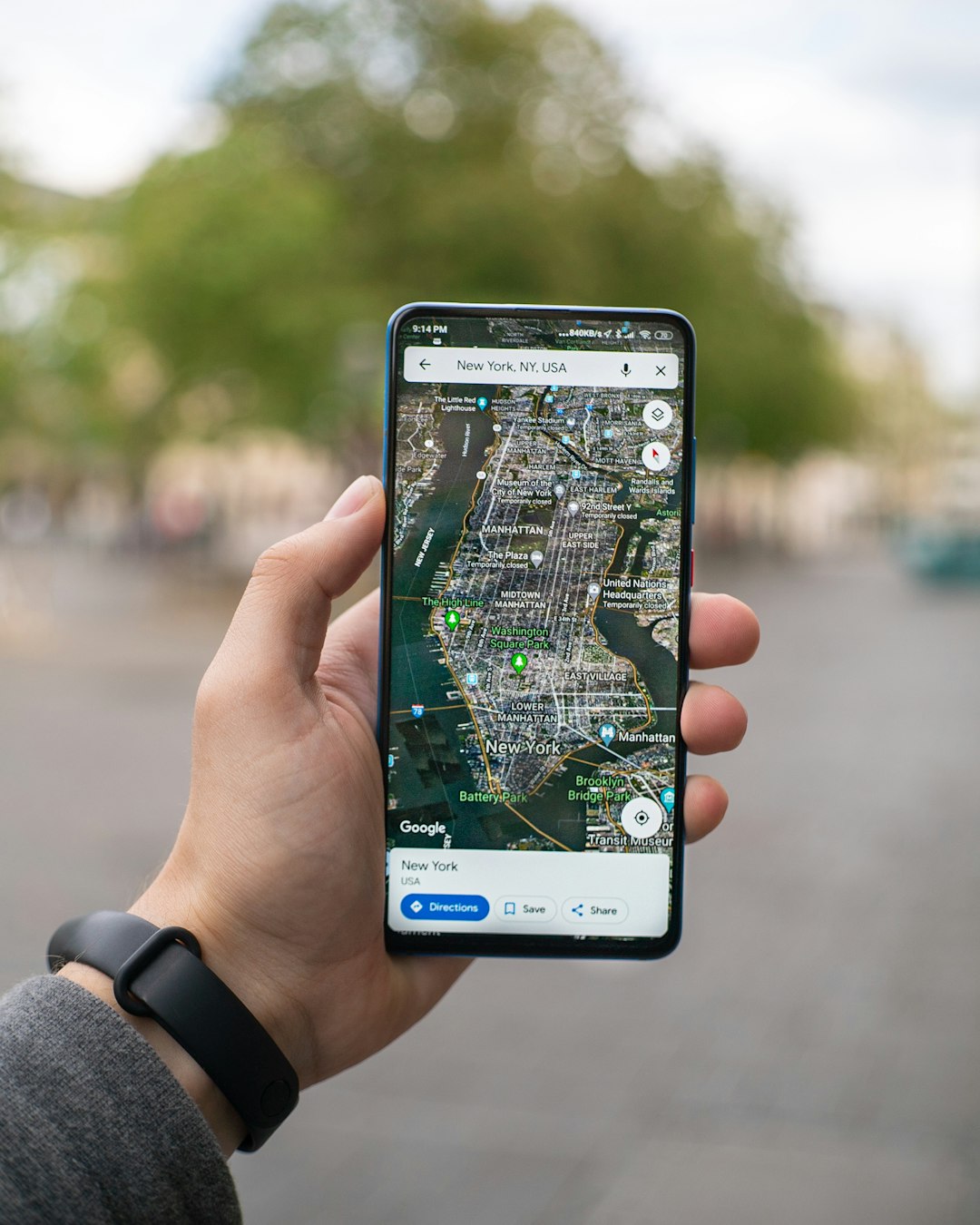
Common Types of Local Search Queries
Local searches usually fall into a few categories. Understanding these categories helps businesses create content and listings that match what people are trying to do.
- Explicit local searches: These include a location, such as “accountant in Denver” or “Italian restaurant near Central Park.”
- Implicit local searches: These do not mention a place, but search engines infer local intent, such as “auto repair shop” or “urgent care.”
- Near me searches: These include phrases like “near me,” “open now,” or “closest.” They often indicate immediate need.
- Brand plus location searches: These happen when users search for a known business in a specific area, such as “ABC Fitness Chicago hours.”
Each type of query deserves attention because searchers may be at different stages of decision-making. Some are comparing options, while others are ready to call, visit, book, or buy.
Why Local Search Intent Matters
Local search is closely connected to trust and convenience. A business may have excellent services, but if it does not appear in local results, customers may never consider it. Search visibility can influence foot traffic, phone calls, online bookings, and lead generation.
Local intent is also important because it often reflects high commercial intent. Someone searching for “roof repair near me” is usually not browsing casually. They likely have a problem and need a provider quickly. Appearing in front of that person at the right time can have direct business value.
Optimize Your Google Business Profile
For many local queries, the Google Business Profile is one of the most influential assets a business can manage. It helps your company appear in Google Maps and the local pack, which is the map-based section often shown above traditional organic results.
To improve your profile, focus on the following:
- Use the correct business name: Avoid stuffing keywords into the name. Accuracy is essential for trust and compliance.
- Select the right categories: Choose a primary category that best describes your business, then add relevant secondary categories.
- Keep hours current: Update holiday hours, seasonal changes, and temporary closures.
- Add services and products: Clearly list what customers can purchase, book, or request.
- Upload quality photos: Images of your storefront, staff, products, and completed work can strengthen credibility.
- Use posts when appropriate: Announcements, offers, events, and updates can provide fresh context.
A complete, accurate profile helps search engines understand your business and helps customers feel confident choosing you.
Ensure NAP Consistency Across the Web
NAP stands for name, address, and phone number. These details should be consistent across your website, business listings, directories, social profiles, and review platforms. Inconsistent information creates confusion for both users and search engines.
For example, if your website lists one phone number while a directory lists another, a potential customer may hesitate or contact the wrong location. Search engines may also struggle to confirm which details are correct. Consistency is a simple but important credibility signal.
Create Location-Focused Website Content
Your website should clearly explain where you operate and what you offer in those areas. A generic services page may not be enough if you serve multiple cities or neighborhoods. Create pages that address specific locations, but make sure each page is useful and unique.
A strong local landing page may include:
- The specific city, neighborhood, or service area.
- Services offered in that location.
- Local landmarks, service details, or customer needs relevant to the area.
- Testimonials or case studies from nearby customers.
- Clear calls to action, such as calling, booking, or requesting a quote.

Avoid creating thin pages that only swap out city names. Search engines are increasingly good at recognizing low-value content. The goal is to demonstrate real relevance to the local market.
Use Local Keywords Naturally
Local keyword optimization should be precise, not excessive. Include relevant terms in important areas such as title tags, headings, meta descriptions, body content, image alt text, and internal links. However, the language should still sound natural to a human reader.
Instead of repeating “best HVAC repair Dallas” unnaturally, write in a way that reflects real customer needs: “We provide HVAC repair for homeowners and small businesses throughout Dallas, including emergency service when systems fail unexpectedly.”
Useful local keyword modifiers include city names, neighborhoods, counties, nearby landmarks, “near me” concepts, and service-specific phrases. The best keywords are the ones that accurately match your services and locations.
Build and Manage Customer Reviews
Reviews play a major role in local decision-making. They influence search visibility, click-through rates, and customer trust. A business with detailed, recent, positive reviews often appears more reliable than a competitor with little feedback.
Encourage satisfied customers to leave honest reviews, but do not offer incentives in exchange for positive ratings. Respond professionally to both positive and negative reviews. A thoughtful response shows that your business is active, accountable, and attentive to customer experience.
When responding to negative reviews, remain calm and factual. A defensive response can damage trust, while a respectful reply can demonstrate professionalism even when a complaint is difficult.
Improve Mobile Experience and Page Performance
Many local searches happen on mobile devices. A potential customer may be walking, driving, or comparing options while in a hurry. If your website loads slowly or is hard to use on a phone, you may lose that visitor before they contact you.
Important mobile improvements include:
- Fast loading pages: Compress images, reduce unnecessary scripts, and use reliable hosting.
- Readable design: Use clear fonts, sufficient spacing, and mobile-friendly layouts.
- Easy contact options: Add click-to-call buttons, visible addresses, and simple forms.
- Clear directions: Link to map directions when customers visit a physical location.

Add Local Structured Data
Structured data helps search engines better understand your business information. Local business schema can identify your business type, address, phone number, opening hours, service areas, and other relevant details. While structured data does not guarantee higher rankings, it improves clarity and may support richer search results.
Use structured data carefully and keep it aligned with visible page content. Misleading markup can create trust issues and may violate search engine guidelines.
Measure What Matters
Local SEO should be tracked with practical performance indicators. Rankings matter, but they are only part of the picture. Monitor actions that connect directly to business outcomes.
- Phone calls from local listings and website pages.
- Direction requests and map interactions.
- Form submissions, bookings, and quote requests.
- Website traffic from target locations.
- Review growth, rating trends, and response rates.
Regular measurement helps you identify which locations, services, and pages are producing results. It also helps justify continued investment in local optimization.
Final Thoughts
Optimizing for local search intent is about more than adding city names to a website. It requires accurate business information, helpful location-specific content, strong reviews, mobile usability, and a trustworthy local presence. Search engines want to recommend businesses that are relevant, nearby, and dependable. By aligning your online presence with how local customers actually search, you improve your chances of being found at the moment it matters most.
Leave a Reply