Improving search rankings does not always require a complete website rebuild, a large content budget, or months of technical work. Many businesses have valuable SEO opportunities already sitting inside their existing pages, analytics, and search data. These are often called low hanging fruit SEO opportunities: practical improvements that can produce measurable ranking, traffic, and conversion gains faster than long-term campaigns.
TLDR: Low hanging fruit SEO means finding quick, realistic opportunities where your website is already close to performing well. The best wins often come from improving pages ranking on page two, updating outdated content, strengthening internal links, and fixing basic technical issues. These actions are not shortcuts or tricks; they are disciplined optimizations based on data. When done correctly, they can improve visibility while building a stronger foundation for long-term SEO.
What Low Hanging Fruit SEO Really Means
Low hanging fruit SEO refers to optimization tasks that require relatively modest effort but can deliver meaningful results. These are not risky hacks or attempts to manipulate search engines. Instead, they are improvements that help search engines better understand your content and help users get more value from your pages.
For example, a page ranking in position 11 for an important keyword may only need better title targeting, a clearer structure, updated content, or stronger internal links to move onto the first page. That movement can dramatically increase impressions and clicks because search visibility drops sharply after the first page of results.
The key is prioritization. Not every SEO task deserves immediate attention. A serious low hanging fruit strategy focuses on actions with a strong balance of impact, speed, and feasibility.
Start With Keywords Already Close to Ranking
One of the fastest ways to find SEO quick wins is to identify keywords where your site already ranks between positions 5 and 20. These terms show that search engines already consider your content relevant, but the page may need refinement to compete more effectively.
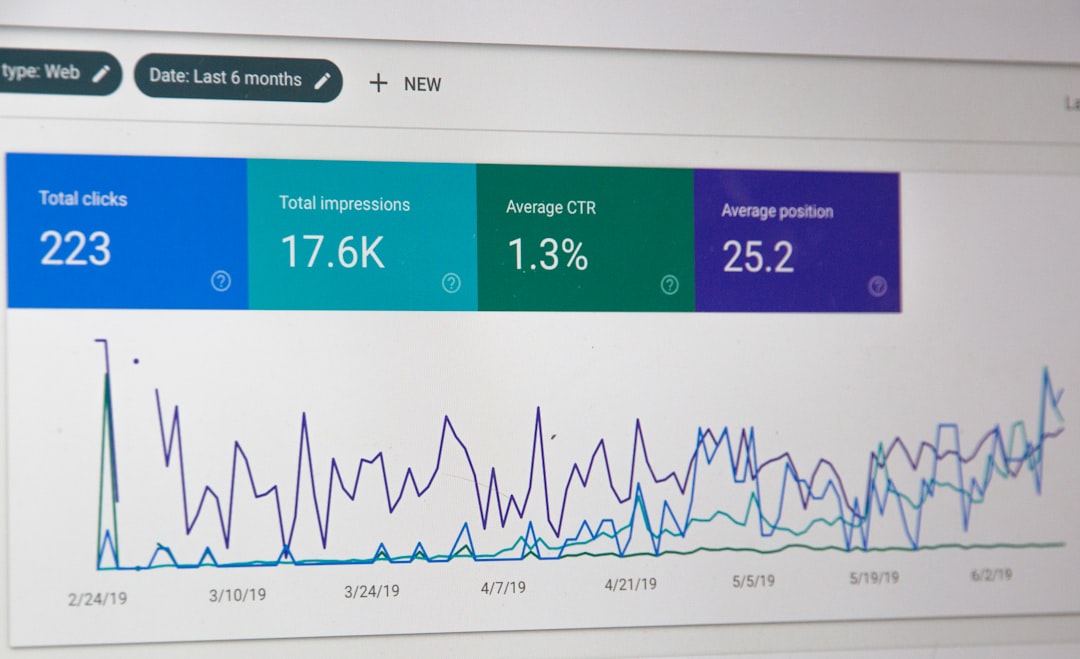
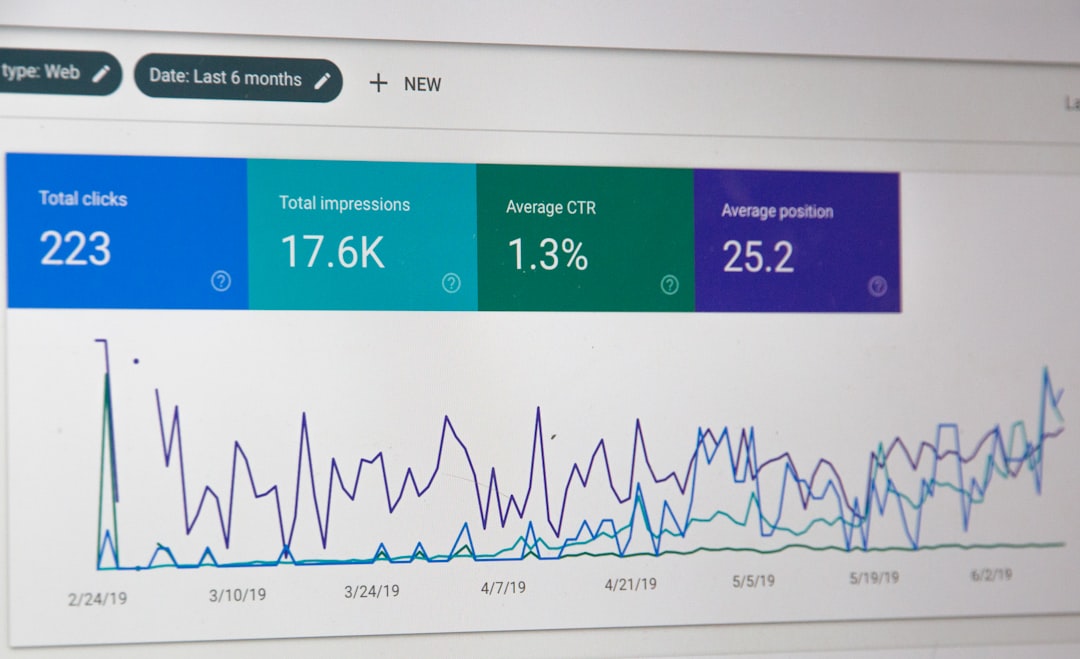
Use tools such as Google Search Console to review queries with high impressions but lower click-through rates or rankings just outside the top results. Prioritize keywords that are commercially relevant, aligned with your services, and connected to pages that already have useful content.
- Positions 5 to 10: Improve click-through rate, content depth, and internal links.
- Positions 11 to 20: Strengthen relevance, update the page, and compare it against top-ranking competitors.
- High impressions, low clicks: Rewrite titles and meta descriptions to better match search intent.
Improve Title Tags and Meta Descriptions
Title tags remain one of the most important on-page SEO elements. A weak or vague title can limit rankings and reduce clicks, even when the page itself is useful. For fast improvement, review pages with high impressions and low click-through rates.
A strong title should be specific, accurate, and aligned with the user’s search intent. It should include the primary keyword naturally, but it should not read like a list of keywords. Serious SEO is not about stuffing terms into every field; it is about making relevance clear.
Meta descriptions do not directly determine rankings, but they can influence whether users click your result. A good description should summarize the value of the page and give the searcher a reason to visit. Use clear language, avoid exaggeration, and reflect what the page actually provides.
Refresh Content That Has Lost Momentum
Older content often declines in performance because facts become outdated, competitors publish stronger resources, or search intent changes. Refreshing existing pages is usually faster than creating new ones from scratch because the page may already have authority, backlinks, and some ranking history.
Look for pages that previously received more traffic but have declined over time. Then review them carefully. Are statistics current? Are examples still relevant? Does the content answer the questions users now expect to be answered? Does it include clear next steps?
Effective content refreshes may include:
- Updating outdated data, dates, screenshots, and references.
- Adding missing sections that competitors cover well.
- Improving headings so the structure is easier to scan.
- Removing thin, repetitive, or inaccurate information.
- Adding expert insight, practical examples, or clearer explanations.
Do not change content only for the sake of changing it. Make updates that improve usefulness, accuracy, and relevance. Search engines increasingly reward content that demonstrates genuine value.
Strengthen Internal Linking
Internal linking is one of the most overlooked low hanging fruit SEO tactics. When you link from established pages to important pages, you help search engines understand relationships between topics and distribute authority across your site.
Start by identifying pages that already receive traffic or have backlinks. Then look for natural opportunities to link from those pages to related content that needs a ranking boost. Use descriptive anchor text that tells users what to expect, but avoid forcing exact-match keywords repeatedly.
For example, if you have a strong blog post about website planning and a service page about SEO audits, a contextual internal link can guide users and help search engines connect those subjects. Internal links should always feel useful, not artificial.

Fix Basic Technical SEO Problems
Technical SEO can become complex, but many quick wins are straightforward. Small technical problems can prevent search engines from crawling, indexing, or properly evaluating your pages. Fixing them can improve performance without changing your entire website.
Common technical issues worth checking include:
- Broken links: Repair or redirect links leading to missing pages.
- Slow pages: Compress large images, reduce unnecessary scripts, and improve hosting where needed.
- Duplicate title tags: Give important pages unique, descriptive titles.
- Missing headings: Use clear H1 and H2 structures to organize content.
- Indexing problems: Make sure valuable pages are not blocked by robots tags or canonical errors.
These fixes may not seem exciting, but they support every other SEO effort. A technically sound site gives your content a better chance to perform.
Optimize Pages for Search Intent
Many pages fail to rank because they target the right keyword but the wrong intent. Search intent is the reason behind a query. A user may want information, a comparison, a product, a local provider, or a step-by-step process.
To evaluate intent, search your target keyword and study the top results. Are they guides, product pages, service pages, category pages, videos, or tools? If your page format does not match what users expect, minor keyword changes will not solve the problem.
For low hanging fruit opportunities, adjust the page so it better satisfies the dominant intent. A service page may need more trust signals, pricing context, FAQs, or case study references. An informational article may need clearer definitions, examples, and updated guidance.
Add Helpful FAQs
Frequently asked questions can quickly improve a page by addressing specific concerns that users already have. They also help capture long-tail search queries and make content more complete.
Good FAQs should be based on real customer questions, sales conversations, support tickets, and search data. Avoid filler questions that add no value. Each answer should be concise, accurate, and directly relevant to the page topic.
FAQ sections are especially useful on service pages, product pages, and detailed guides. They can reduce uncertainty and help visitors move closer to a decision.
Improve Existing Thin Pages
Thin pages are pages that provide limited value, lack detail, or overlap heavily with other pages. Some thin content should be improved, while other pages may be merged or removed. The right decision depends on whether the page serves a clear purpose.
If a thin page targets an important keyword or supports a key business goal, strengthen it with original information, better structure, visuals, examples, and answers to common questions. If several pages compete for the same keyword, consider consolidating them into one stronger resource.
Quality matters more than page count. A smaller site with focused, useful content often performs better than a larger site full of weak pages.
Use Data to Prioritize Effort
Low hanging fruit SEO works best when decisions are based on evidence. Before making changes, review performance data. After making changes, track results over time. Rankings can fluctuate, so look for trends rather than judging success after only a few days.
Useful metrics include organic clicks, impressions, average position, click-through rate, conversions, engagement, and indexed page count. The goal is not only more traffic, but better traffic that supports business outcomes.

Final Thoughts
Low hanging fruit SEO is not a replacement for a serious long-term strategy, but it is often the best place to start. By improving pages that already have potential, fixing obvious weaknesses, and aligning content with user intent, you can often see faster progress than by chasing entirely new opportunities.
The most reliable quick wins come from disciplined work: reviewing data, improving relevance, strengthening internal links, refreshing outdated content, and maintaining technical health. These actions may be simple, but they are not superficial. Done consistently, they can improve rankings fast while making your website more useful, trustworthy, and competitive.
Leave a Reply