
Efficiency is one of the most important ideas in economics and business strategy, but it is often used too broadly. Two concepts that frequently get confused are productive efficiency and allocative efficiency. Both describe “doing well,” but they answer very different questions: Are we producing at the lowest possible cost? and Are we producing what people actually value most?
TLDR: Productive efficiency means making goods or services at the lowest possible cost, using resources without waste. Allocative efficiency means producing the right mix of goods and services based on consumer preferences and willingness to pay. A business can be productively efficient but allocatively inefficient if it makes products cheaply that customers do not really want. The best companies aim for both: low-cost operations and strong market fit.
What Is Productive Efficiency?
Productive efficiency occurs when a business produces goods or services at the lowest possible cost, given the available technology and resources. In simple terms, it means the company is not wasting labor, materials, time, energy, or capital.
A productively efficient firm uses the best combination of inputs to maximize output. For example, a bakery that uses optimized oven schedules, well-trained staff, accurate ingredient measurements, and minimal food waste is moving toward productive efficiency. It is producing bread, cakes, or pastries as cheaply and smoothly as possible without reducing quality.
In economics, productive efficiency is often shown on the production possibility frontier, or PPF. A point on the frontier represents maximum output from available resources. A point inside the frontier suggests inefficiency because the economy or business could produce more without needing extra resources.
Examples of Productive Efficiency
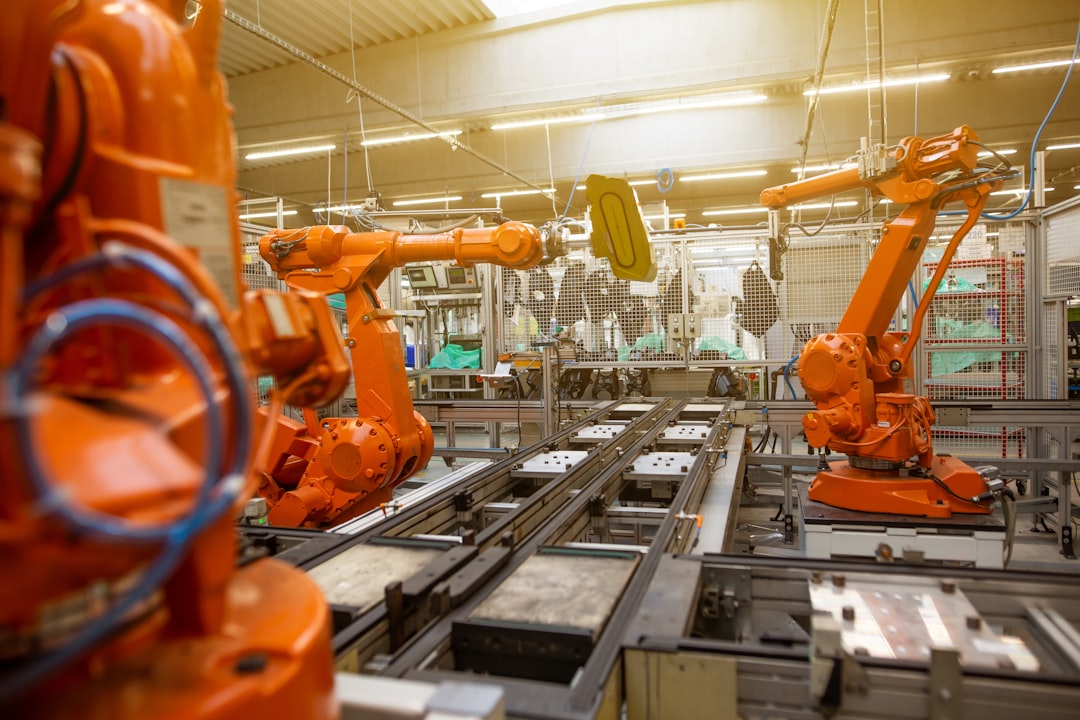
- A car manufacturer uses robotics and lean manufacturing to reduce defects and assembly time.
- A restaurant redesigns its kitchen layout so chefs spend less time moving between stations.
- A software company automates repetitive testing tasks, allowing developers to focus on higher-value work.
- A logistics firm optimizes delivery routes to reduce fuel costs and idle time.
In each case, the business is asking: How can we produce the same output with fewer resources, or more output with the same resources?
What Is Allocative Efficiency?
Allocative efficiency happens when resources are used to produce the goods and services that consumers value most. It is not just about producing cheaply; it is about producing the right things.
In economics, allocative efficiency occurs when price equals marginal cost. This means the value consumers place on the last unit produced is equal to the cost of producing it. If customers are willing to pay more than it costs to make another unit, society may benefit from producing more. If the cost of producing another unit is higher than what customers are willing to pay, resources may be better used elsewhere.
For a business, allocative efficiency is closely tied to market demand, customer research, pricing, and product strategy. A company may be extremely efficient at producing a product, but if customers do not want it, resources are still being misallocated.
Examples of Allocative Efficiency
- A clothing retailer shifts production from formal office wear to comfortable hybrid work clothing because customer preferences have changed.
- A streaming platform invests more in documentaries after data shows rising viewer demand.
- A grocery store gives more shelf space to plant-based foods due to local consumer preferences.
- A smartphone company removes an unpopular feature and invests in longer battery life, which users value more.
Here, the central question is: Are we using our resources to produce what customers actually want most?

Productive vs Allocative Efficiency: The Key Differences
Although both concepts involve efficiency, they focus on different business problems. Productive efficiency looks inward at operations. Allocative efficiency looks outward at markets and customers.
| Factor | Productive Efficiency | Allocative Efficiency |
|---|---|---|
| Main focus | Producing at the lowest cost | Producing what consumers value most |
| Key question | Are we minimizing waste? | Are we meeting demand effectively? |
| Business area | Operations, production, supply chain | Marketing, pricing, product strategy |
| Risk if ignored | High costs and low margins | Unsold inventory and weak customer fit |
| Success indicator | Lower unit costs and fewer wasted inputs | Strong demand, customer satisfaction, optimal pricing |
A useful way to remember the difference is this: productive efficiency is about “how” you produce, while allocative efficiency is about “what” you produce.
Can a Business Have One Without the Other?
Yes, and this is where the distinction becomes especially important.
A company can be productively efficient but allocatively inefficient. Imagine a factory that produces DVD players at incredibly low cost using advanced automation. The production process may be excellent, but if most consumers now prefer streaming devices, the business is not allocating resources wisely. It is making the wrong product very efficiently.
On the other hand, a company can be allocatively efficient but productively inefficient. For example, a small coffee brand may offer exactly the flavors and ethical sourcing that customers want, but its production costs may be too high due to poor supplier contracts or inefficient packaging. Demand exists, but profitability suffers.
The strongest businesses combine both. They understand what the market wants and build systems to deliver it efficiently.
Why Productive Efficiency Matters in Business
Productive efficiency directly affects profit margins. When a company lowers the cost of production without harming quality, it can improve profitability, reduce prices, or reinvest savings into growth.
Businesses often pursue productive efficiency through:
- Process improvement: simplifying workflows and removing unnecessary steps.
- Automation: using technology to reduce repetitive manual work.
- Lean management: cutting waste in inventory, movement, waiting time, and defects.
- Employee training: helping teams work faster, safer, and more accurately.
- Supplier optimization: sourcing inputs at better prices or higher reliability.
However, focusing only on cost reduction can be dangerous. If efficiency efforts reduce quality, damage employee morale, or slow innovation, the business may save money in the short term while losing competitiveness in the long term.
Why Allocative Efficiency Matters in Business
Allocative efficiency is essential because customer preferences are constantly changing. Businesses that fail to notice these changes may keep investing in products, features, or services that no longer create enough value.
Companies improve allocative efficiency by using:
- Customer surveys and interviews to understand needs and frustrations.
- Sales data to identify which products are gaining or losing traction.
- Market segmentation to match offerings with specific customer groups.
- Dynamic pricing to reflect demand, scarcity, and perceived value.
- Product testing to validate ideas before large-scale investment.

Allocative efficiency is especially important in industries with fast-changing trends, such as technology, fashion, entertainment, and food. In these markets, yesterday’s best-selling product can quickly become tomorrow’s excess inventory.
Business Applications: How Managers Use Both Concepts
Managers can use productive and allocative efficiency as practical decision-making tools. For example, when reviewing a product line, they might ask two sets of questions.
For productive efficiency:
- Can we reduce production costs without reducing quality?
- Are there bottlenecks in our workflow?
- Are employees, machines, and materials being used effectively?
For allocative efficiency:
- Do customers still want this product?
- Are we charging a price that reflects customer value and production cost?
- Should resources be shifted to a more profitable or higher-demand offering?
Consider a furniture company. Productive efficiency might lead it to reduce wood waste, streamline assembly, and negotiate better shipping rates. Allocative efficiency might lead it to produce more compact furniture for apartment dwellers and fewer large dining sets due to changing housing trends. Together, these decisions make the company both leaner and more market-focused.
Common Mistakes Businesses Make
One common mistake is assuming that low cost automatically means strong performance. A company can have impressive operational efficiency but still fail if it misunderstands demand. Another mistake is chasing every consumer trend without controlling costs, which can lead to complexity and shrinking margins.
Businesses also sometimes rely too heavily on historical data. Past sales can reveal useful patterns, but they do not always predict future preferences. True allocative efficiency requires ongoing research, experimentation, and adaptation.
Conclusion
Productive efficiency and allocative efficiency are both vital, but they solve different problems. Productive efficiency helps a business minimize waste and control costs, while allocative efficiency ensures that resources are directed toward products and services customers genuinely value. In competitive markets, operational excellence alone is not enough, and customer insight alone is not enough. The most resilient businesses combine both: they produce the right things, in the right way, at the right cost.
Leave a Reply