Use Similarweb when you want a fast read on market growth. Use Semrush when you want to explain why that growth happened. For company growth metrics, the best choice depends on the question. “Are they getting bigger?” points to Similarweb. “How are they winning traffic?” points to Semrush.
TLDR: Similarweb is better for quick company growth checks, like traffic trends, channel mix, and competitor size. Semrush is better for SEO growth, paid search, keyword wins, and content gaps. For example, if Company A grew from 500,000 to 650,000 monthly visits in 90 days, Similarweb helps spot the 30% traffic jump, while Semrush may show that 18,000 new organic visits came from 120 fresh keyword rankings. If you track growth every week, use both if the budget allows.
The simple version
Similarweb is like checking the scoreboard.
Semrush is like watching the game tape.
Similarweb shows how a company is doing across traffic sources. Direct. Search. Social. Referrals. Display ads. It is great for spotting momentum.
Semrush goes deeper into search. It shows keywords, backlinks, ads, rankings, and content performance. It is great for finding the source of the momentum.
So if your boss asks, “Is this company growing?” open Similarweb first. If your boss asks, “How are they growing?” open Semrush next.

What growth metrics actually matter?
Company growth sounds fancy. It often comes down to a few clear signs.
- Total visits: Is the audience growing?
- Unique visitors: Are more people discovering the brand?
- Traffic sources: Where is the growth coming from?
- Organic search: Is Google sending more traffic?
- Paid search: Is the company buying growth?
- Engagement: Do visitors stay, click, and return?
- Geography: Is growth local or global?
- Competitor gaps: Who is gaining share?
These metrics help you see if a company is truly growing. Or just having one lucky month.
Similarweb: best for the big picture
Similarweb shines when you need a quick market view. It estimates traffic across websites and apps. It also shows audience trends, traffic channels, top countries, referrals, and competitor comparisons.
That makes it useful for investors, sales teams, marketers, and founders. It answers big questions fast.
- Is this company gaining traffic?
- Which competitor is pulling ahead?
- Is growth coming from search, social, or ads?
- Which regions are growing fastest?
- Has traffic dropped after a product launch?
For example, say you compare three ecommerce brands. Brand A has 2.1 million visits. Brand B has 1.4 million. Brand C has 900,000. Similarweb can show that Brand B grew 22% last month while Brand A stayed flat. That is useful. Very useful.
The catch is… traffic estimates can vary. Smaller sites are harder to measure. A website with 8,000 monthly visits may show odd jumps. Do not panic over one weird spike. Look at trends over 3 to 6 months.
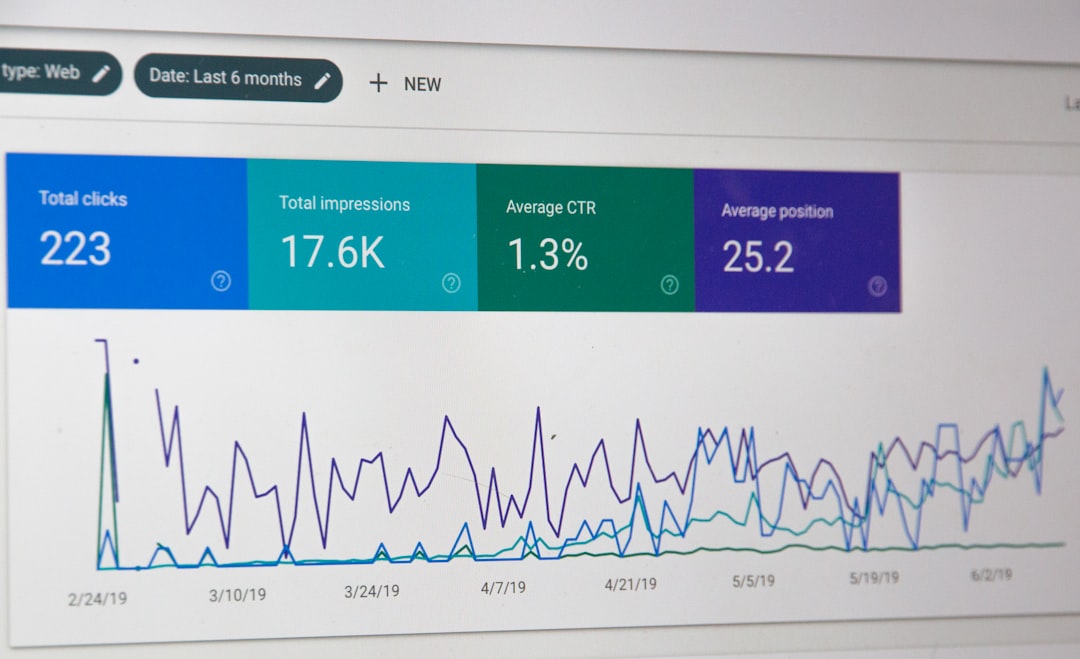
Semrush: best for search growth
Semrush is strongest when growth comes from Google. It tracks organic keywords, paid keywords, backlinks, domain authority signals, competitor terms, and content gaps.
If a company is winning because of SEO, Semrush is your microscope.
It can show that a SaaS company gained 4,500 new monthly organic visits after ranking for “crm automation tools.” It can also show if a competitor bought ads for the same keyword. That saves guesswork.
Semrush is also handy for finding weak spots. Maybe a rival ranks for 2,000 keywords, while your site ranks for 650. Maybe they have 400 referring domains, and you have 95. That gap tells a story.
Where Similarweb wins
Similarweb wins in market-level analysis.
It is better for:
- Traffic share: See who owns more audience attention.
- Channel mix: Compare search, social, direct, and referrals.
- Competitive benchmarking: Compare many companies fast.
- Category research: Spot which brands are rising in a sector.
- International growth: See which countries drive visits.
Think of a venture analyst studying five fintech startups. Similarweb can show which startup has the fastest demand growth. If one jumped from 300,000 to 510,000 visits in two quarters, that is a strong signal. Not proof of revenue. But a signal.
Honestly, it feels like some teams forget this. Traffic is not revenue. More visitors do not always mean more customers. Still, audience growth is often an early clue.
Where Semrush wins
Semrush wins in search and content analysis.
It is better for:
- Organic keyword tracking: See what terms drive search growth.
- Content planning: Find pages that can steal traffic.
- Backlink checks: Find who is earning authority.
- Paid search research: See ad keywords and copy.
- SEO audits: Find technical issues that slow growth.
Picture a B2B software company. Similarweb says traffic rose 16% in April. Nice. Semrush then shows that 70% of the gain came from five blog posts ranking on page one. Now you know what to repeat.
Data accuracy: do not treat either tool like a magic crystal ball
Both tools estimate data. They use different panels, crawlers, clickstream sources, and models. So yes, numbers can differ.
Similarweb might estimate 820,000 visits. Semrush might show 610,000. Your Google Analytics might say 740,000. Annoying? Yes. Useless? No.
The trick is to watch the direction. Is traffic up? Down? Flat? Did SEO grow faster than paid traffic? Did social drop after campaigns stopped?
Use the tools for trends, comparisons, and clues. Not courtroom evidence.
Which one is easier to use?
Similarweb feels simpler for quick checks. Open a domain. See traffic. Compare competitors. Done.
Semrush has more menus. That is good and bad. You get deep reports. You also get more places to click. Expect to waste time on your first few sessions if you do not know which report you need.
For executives, Similarweb is often easier. For SEO teams, Semrush feels more useful. For agencies, both can pay for themselves fast.

Best use cases by role
- Founder: Use Similarweb to track market position. Use Semrush to plan SEO growth.
- Investor: Use Similarweb to spot rising companies before revenue data appears.
- Sales team: Use Similarweb to qualify accounts with growing demand.
- SEO manager: Use Semrush every week for keywords, links, and rankings.
- Content marketer: Use Semrush to find topics that competitors already win.
- Strategy team: Use both to compare growth by traffic source.
A simple workflow that works
- Start in Similarweb. Check total visits for the last 6 months.
- Compare 3 to 5 competitors. Look for clear winners.
- Check channel mix. Is growth from search, direct, ads, or social?
- Move to Semrush. Study organic keywords and paid search.
- Find the growth engine. Is it content, brand demand, ads, or links?
- Track monthly. One month can lie. Six months speaks louder.
So, which tool should you choose?
Pick Similarweb if you want quick company growth metrics. It is great for traffic trends, market share, regions, and competitor ranking.
Pick Semrush if organic search is the main growth channel. It is better for keywords, backlinks, content, and paid search details.
Pick both if growth decisions affect money. Hiring. Funding. Ads. Content budgets. Market entry. Big choices need more than one angle.
The clean answer is this: Similarweb tells you who is growing. Semrush tells you how they are growing. Use that split, and the whole comparison gets much less messy.
Leave a Reply