Industrial and enterprise operations depend on equipment that must perform reliably, safely, and efficiently across factories, utilities, warehouses, campuses, data centers, fleets, and remote field locations. As assets become more connected and operational expectations rise, remote equipment monitoring solutions have moved from being optional technology projects to a core part of responsible asset management. These systems help organizations see what is happening in real time, detect abnormal conditions early, and make better decisions before small issues become costly failures.
TLDR: Remote equipment monitoring enables organizations to track asset health, performance, location, energy use, and environmental conditions without being physically present. It improves uptime, safety, compliance, and maintenance planning by combining sensors, connectivity, analytics, and alerts. For industrial and enterprise operations, the strongest results come from solutions that are secure, scalable, interoperable, and aligned with operational goals.
What Remote Equipment Monitoring Means
Remote equipment monitoring is the practice of collecting data from machines, devices, systems, or infrastructure and making that data available to operators, engineers, maintenance teams, and managers through dashboards, alerts, reports, and integrations. The monitored assets may include pumps, compressors, generators, HVAC systems, conveyors, boilers, electrical panels, production machinery, refrigeration units, elevators, vehicles, tanks, or specialized industrial equipment.
At its center, the concept is straightforward: measure the right conditions, transmit the data securely, analyze it intelligently, and act at the right time. In practice, a dependable monitoring program requires careful design. It must account for the equipment type, operating environment, network availability, cybersecurity requirements, maintenance workflows, and the business impact of downtime.
Core Components of a Monitoring Solution
A complete remote monitoring system usually includes several layers that work together. Each layer must be dependable, because weak data collection or insecure connectivity can reduce the value of the entire system.
- Sensors and instrumentation: These devices measure vibration, temperature, pressure, humidity, voltage, current, flow, fuel level, run time, oil quality, sound, location, and other operating conditions.
- Edge devices and gateways: Gateways gather data from sensors and controllers, process it locally when needed, and transmit it to cloud or enterprise systems.
- Connectivity: Data may move through Ethernet, Wi Fi, cellular, satellite, private radio, LPWAN, or industrial protocols, depending on the site and reliability needs.
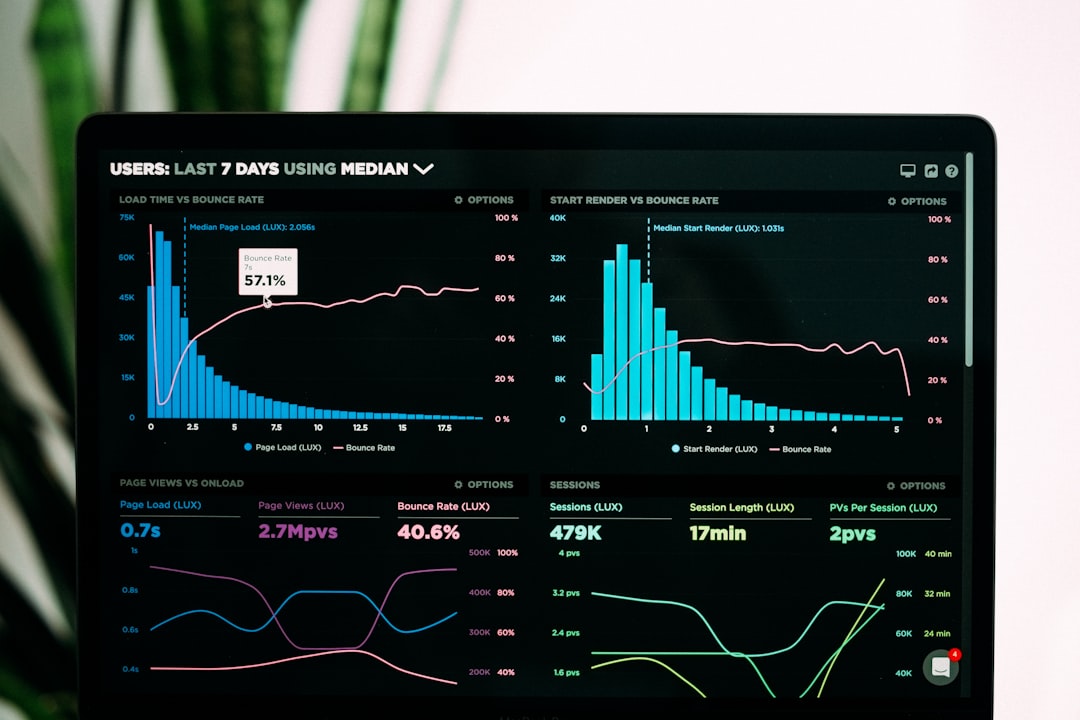
- Software platform: Dashboards, analytics, alarm management, reporting, user access controls, and integrations are managed through centralized software.
- Alerts and workflows: Notifications can be sent through email, SMS, mobile apps, service management tools, or control room systems.
- Security controls: Encryption, authentication, device management, network segmentation, and audit logging protect operational data and connected assets.
Why It Matters for Industrial Operations
In industrial environments, unplanned downtime is often expensive and disruptive. A production line that stops unexpectedly can affect labor schedules, delivery commitments, product quality, and customer relationships. In utilities, energy, mining, water treatment, and manufacturing, failures may also create safety and environmental risks. Remote monitoring provides earlier visibility into emerging problems, allowing teams to intervene before equipment reaches a critical condition.
For example, a motor may show rising vibration long before it fails. A pump may display increasing power consumption due to wear, clogging, or misalignment. A generator may require attention if fuel quality, battery voltage, or coolant temperature moves outside acceptable limits. Without monitoring, these issues may remain hidden until performance drops or equipment shuts down.
Condition based maintenance is one of the most valuable outcomes. Instead of servicing equipment only by calendar schedule, organizations can use actual operating data to determine when maintenance is needed. This can reduce unnecessary work while also lowering the risk of missed defects.
Why It Matters for Enterprise Operations
Enterprise organizations also benefit from remote equipment monitoring, especially when they operate multiple buildings, branches, facilities, retail locations, logistics centers, or data rooms. Equipment health at these sites is often distributed across wide geographic areas, making manual inspection inefficient and inconsistent.
Facilities teams can monitor HVAC systems, backup power, indoor air quality, refrigeration, access infrastructure, lighting systems, water leaks, and energy consumption from a centralized environment. This helps standardize operations, reduce service response times, and improve budgeting. For enterprises with sustainability targets, monitoring also provides better evidence of energy performance and waste reduction.
In data centers and technology environments, monitoring is particularly important. Cooling, power delivery, humidity, and backup systems must remain within defined thresholds. A small failure can quickly become a high impact outage. Remote visibility allows technical staff to respond faster and maintain stronger operational resilience.
Key Benefits of Remote Equipment Monitoring
Organizations typically adopt remote monitoring to address practical and measurable business needs. The benefits are strongest when the system is tied to clear operational objectives.
- Reduced downtime: Early detection of abnormal conditions helps prevent unexpected failures and improves asset availability.
- Lower maintenance costs: Data driven maintenance reduces unnecessary inspections, improves technician planning, and supports better spare parts management.
- Improved safety: Remote visibility reduces the need for personnel to inspect hazardous or hard to reach equipment manually.
- Better asset utilization: Run time, load, and performance data reveal whether equipment is underused, overloaded, or operating inefficiently.
- Energy efficiency: Monitoring can identify excessive power consumption, compressed air leaks, inefficient cooling, and other sources of waste.
- Compliance support: Automated records can help demonstrate that critical equipment has been monitored, maintained, and operated within required parameters.
- Faster response: Alerts and escalation workflows allow issues to reach the right teams quickly, even across multiple locations.

From Reactive Maintenance to Predictive Insight
Many organizations begin with basic alarms: high temperature, low pressure, abnormal voltage, or offline status. These alerts are useful, but more advanced programs move toward trends, models, and predictive analytics. The goal is not simply to know that a fault has occurred, but to understand whether a fault is becoming likely.
Predictive monitoring uses historical data, operating patterns, engineering thresholds, and sometimes machine learning to identify risk. For instance, vibration signatures can indicate bearing wear. A gradual rise in compressor discharge temperature can suggest mechanical inefficiency. Repeated short cycling in an HVAC system can point to poor control, incorrect sizing, or failing components.
However, predictive analytics should be approached with discipline. Good predictions depend on good data. Sensors must be correctly installed, calibrated, and maintained. Data should be contextualized with operating conditions, maintenance history, equipment models, and environmental factors. A serious monitoring strategy avoids overpromising and instead focuses on repeatable, validated insights that maintenance and operations teams can trust.
Security and Reliability Considerations
Connecting equipment to networks creates clear operational advantages, but it also introduces risk if security is overlooked. Industrial and enterprise systems may include sensitive production data, building controls, safety related systems, or critical infrastructure. A trustworthy remote monitoring solution must be designed with cybersecurity from the beginning.
Important security practices include:
- Encrypted communication between sensors, gateways, platforms, and users.
- Strong authentication and role based access control for all users and administrators.
- Secure device provisioning to ensure only authorized hardware connects to the system.
- Regular software updates and vulnerability management for gateways and applications.
- Network segmentation to limit access between operational technology and corporate systems.
- Audit trails that record user activity, configuration changes, and alarm acknowledgments.
Reliability is equally important. If a monitoring system fails during a critical event, confidence in the program declines. Organizations should evaluate backup connectivity, local data buffering, power protection, failover options, and service level expectations. In remote or harsh locations, ruggedized equipment and environmental protection may be necessary.
Integration with Existing Systems
Remote monitoring should not operate as an isolated island. In mature environments, monitoring platforms connect with computerized maintenance management systems, enterprise asset management software, building management systems, ERP platforms, control systems, and reporting tools. Integration improves efficiency because alerts can become work orders, performance data can support procurement decisions, and maintenance records can improve analytics.
For example, if a monitored pump exceeds vibration limits, the platform can automatically create a maintenance ticket, include the asset ID and recent trend data, assign the task by site, and notify a supervisor. This reduces manual administration and improves the consistency of response.
Integration also supports management reporting. Executives and operational leaders often need visibility into uptime, repair costs, energy performance, risk exposure, and service response. Well structured monitoring data can provide a reliable basis for performance reviews and capital planning.
Implementation Strategy
A successful remote equipment monitoring program begins with clear priorities. Not every asset needs the same level of instrumentation. The best starting point is usually a risk based assessment that ranks equipment according to business impact, failure history, safety relevance, replacement cost, and maintenance burden.
Organizations should consider the following implementation steps:
- Define objectives: Decide whether the main goal is uptime, safety, energy savings, compliance, maintenance optimization, or all of these.
- Identify critical assets: Focus first on equipment where failure would cause significant cost, disruption, or risk.
- Select meaningful measurements: Choose sensor data that directly supports decisions, rather than collecting data without purpose.
- Pilot the solution: Test on a limited group of assets to validate data quality, alerts, workflows, and user adoption.
- Train users: Operators, technicians, engineers, and managers must understand how to interpret and act on monitoring information.
- Review and improve: Refine thresholds, reports, and maintenance processes based on actual operational experience.
Common Challenges and How to Address Them
Remote monitoring projects can be undermined by unclear ownership, poor data quality, alarm overload, weak connectivity, or lack of integration with daily work. These challenges are manageable when addressed early.
Alarm fatigue is a common issue. If users receive too many low value alerts, they may begin to ignore them. Alarm rules should be prioritized by severity, business impact, and required response time. Thresholds should be reviewed regularly and adjusted as teams learn more about normal operating patterns.
Data without action is another problem. Dashboards are useful only when they support decisions. Each monitored condition should have an associated response: inspect, adjust, schedule repair, shut down, escalate, or continue observing. Serious programs connect monitoring to documented procedures.
Legacy equipment can also be a concern. Older machines may not have modern communication interfaces, but they can often be monitored with retrofit sensors, current clamps, vibration sensors, temperature probes, or external gateways. This allows organizations to gain value without replacing functional assets prematurely.
Choosing the Right Solution
When evaluating remote equipment monitoring solutions, decision makers should consider both technical capability and long term operational fit. A platform may look impressive in a demonstration but still fail if it cannot scale, integrate, or survive the conditions of real sites.
Important selection criteria include:
- Scalability: The ability to support more sites, assets, users, and data points over time.
- Interoperability: Support for industrial protocols, APIs, and integration with existing software.
- Usability: Clear dashboards and workflows that technicians and managers can use without unnecessary complexity.
- Security: Strong controls aligned with enterprise and operational technology requirements.
- Analytics: Practical trend analysis, anomaly detection, reporting, and configurable alerting.
- Support: Reliable vendor assistance, documentation, training, and lifecycle management.
- Total cost: Hardware, installation, subscriptions, connectivity, maintenance, and internal labor should all be evaluated.
The Future of Remote Monitoring
The future of remote equipment monitoring will be shaped by more capable sensors, stronger edge computing, artificial intelligence, digital twins, and tighter integration between operational and business systems. More analysis will happen near the equipment itself, reducing latency and allowing faster local decisions. At the same time, centralized platforms will continue to provide enterprise wide visibility.
As technology develops, the most successful organizations will remain focused on fundamentals: reliable data, secure architecture, disciplined maintenance processes, and measurable outcomes. The value of remote monitoring is not in collecting the largest possible volume of information. Its value is in helping people make better decisions, reduce risk, and keep essential operations running.
Conclusion
Remote equipment monitoring solutions are now a practical requirement for many industrial and enterprise operations. They provide the visibility needed to improve uptime, control costs, support safety, and manage assets across increasingly complex environments. When implemented thoughtfully, these systems help organizations move from reactive problem solving to proactive operational management.
A trustworthy monitoring strategy should combine robust hardware, secure connectivity, reliable software, meaningful analytics, and well defined response processes. For leaders responsible for critical assets, the message is clear: equipment that is monitored intelligently can be managed more confidently. In competitive and risk sensitive environments, that confidence is a significant operational advantage.
Leave a Reply