Car buyers increasingly begin their journey online, often searching for nearby dealerships before they ever visit a lot or speak with a salesperson. For car dealers, local SEO is not simply a marketing tactic; it is a sales channel that influences calls, showroom visits, test drives, financing inquiries, and service appointments. A strong local search presence helps your dealership appear when buyers are actively looking for inventory, pricing, directions, and trusted options in their area.
TLDR: To improve local rankings and generate more sales, car dealers should optimize their Google Business Profile, build location-focused website pages, maintain accurate listings, and earn consistent reviews. Inventory pages, service pages, and local content should target real buyer intent, not just broad keywords. The most effective SEO strategy connects visibility with measurable actions such as phone calls, form submissions, test drives, and showroom visits.
Why Local SEO Matters for Car Dealers
Automotive searches are highly local. A buyer searching for used SUVs near me, Toyota dealer in Dallas, or oil change near me is usually close to taking action. If your dealership does not appear prominently in local search results, Google Maps, and organic listings, those opportunities often go to competitors.
Local SEO is especially important because dealerships compete in several categories at once: new vehicles, used vehicles, certified pre-owned inventory, financing, trade-ins, parts, and service. Each area can attract different searchers at different stages of the buying process. A complete strategy helps your dealership capture demand across the full customer lifecycle.
Optimize Your Google Business Profile
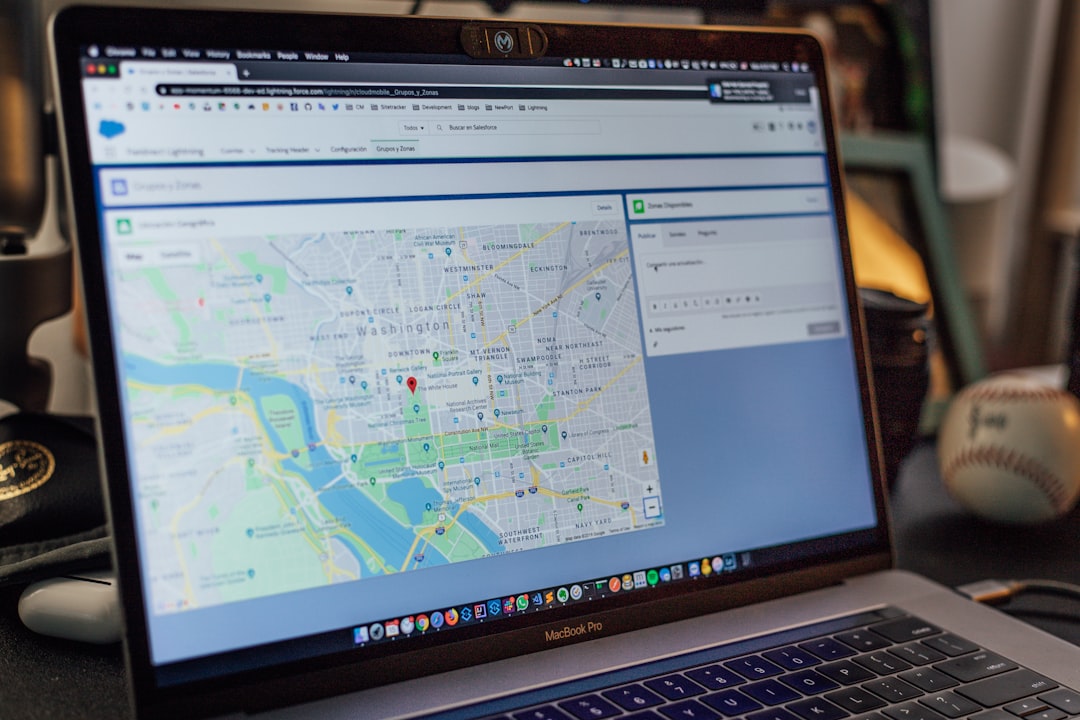
Your Google Business Profile is one of the most important assets for local ranking. It influences visibility in Google Maps and the local pack, where users often compare dealerships quickly based on reviews, distance, hours, photos, and available information.
To strengthen your profile, make sure the following elements are complete and accurate:
- Business name: Use the official dealership name consistently.
- Address and phone number: Ensure they match your website and other listings.
- Primary category: Choose the most accurate option, such as car dealer, and add relevant secondary categories.
- Hours: Keep sales, service, and holiday hours updated.
- Photos: Upload high-quality images of the showroom, lot, staff, service bays, and vehicles.
- Services and products: Add details about financing, trade-ins, maintenance, parts, and vehicle brands.
Dealerships should also publish regular Google Business Profile posts. These can highlight current inventory, seasonal service offers, financing events, or new model arrivals. While posts alone will not guarantee top rankings, they show activity and help potential customers engage with your business directly from search.
Build Local Landing Pages That Match Buyer Intent
A common mistake in dealership SEO is relying only on a homepage and inventory pages. While those are important, local landing pages can help you rank for city-specific and service-specific searches. For example, a dealership serving multiple nearby communities may benefit from pages such as Used Cars in Plano, Ford Service Near Frisco, or Certified Pre Owned Vehicles in Arlington.
These pages should not be thin or duplicated. Each page should include useful, location-specific information, such as driving directions, nearby landmarks, common customer needs in that area, available services, and relevant calls to action. The goal is to prove that your dealership genuinely serves that market.
Strong local pages often include:
- A clear headline targeting the location and service.
- Helpful text about inventory, financing, warranties, or service options.
- Internal links to relevant inventory and contact pages.
- Customer reviews or testimonials from nearby buyers.
- A map, directions, and accurate contact details.
Make Inventory Pages Search Friendly
Vehicle detail pages are critical conversion points. They should be easy for both users and search engines to understand. A good vehicle page includes the make, model, year, trim, mileage, price, VIN, features, financing options, vehicle history information, and clear calls to action.
Use descriptive title tags and meta descriptions. Instead of a generic title like Vehicle Details, use something specific, such as 2022 Honda Accord EX for Sale in Tampa. This improves relevance and increases the chance that buyers click your result.
Because inventory changes frequently, dealerships should also manage out-of-stock pages carefully. If a vehicle sells, do not simply create dead links. Redirect users to similar vehicles, related category pages, or a custom page showing comparable inventory. This protects user experience and preserves SEO value.

Earn Reviews and Respond Professionally
Reviews are a major trust signal for both search engines and buyers. A dealership with a steady flow of positive, authentic reviews is more likely to attract clicks, calls, and visits. Reviews can also influence local rankings, especially when they mention services, vehicle types, or locations naturally.
Create a consistent review request process after key customer interactions, such as vehicle purchases, completed service appointments, or successful financing approvals. Staff should ask satisfied customers to leave feedback, but the process must remain ethical. Never offer rewards in exchange for positive reviews, and never post fake reviews.
Responding to reviews is equally important. Thank customers for positive feedback and address negative reviews calmly and professionally. A serious, helpful response can reduce the damage of a poor review and show future buyers that your dealership takes customer service seriously.
Keep Local Listings Accurate
Search engines compare your dealership information across the web. If your name, address, phone number, or website URL differs across directories, social profiles, manufacturer pages, and review sites, it can weaken trust. This is known as NAP consistency: name, address, and phone number.
Audit major platforms such as Google, Bing, Apple Maps, Facebook, Yelp, automotive directories, chamber of commerce listings, and manufacturer dealer locators. If your dealership has changed names, moved locations, switched phone numbers, or merged with another store, cleaning up old data is essential.
Create Content for Real Customer Questions
Effective dealership content should answer the questions buyers and service customers actually ask. This includes financing concerns, trade-in preparation, maintenance schedules, model comparisons, ownership costs, and warranty explanations.
Useful content examples include:
- Buying guides: “New vs. used cars: which is better for your budget?”
- Model comparisons: “Honda CR-V vs. Toyota RAV4 for families.”
- Service education: “How often should you replace brake pads?”
- Finance content: “What credit score do you need for an auto loan?”
- Trade-in advice: “How to prepare your car before appraisal.”
This type of content builds authority and brings searchers into your website earlier in the buying process. When paired with strong internal links to inventory, finance applications, and appointment forms, educational content can support measurable sales activity.
Image not found in postmetaUse Schema Markup and Technical SEO
Technical SEO matters for dealership websites because they often contain thousands of inventory pages, dynamic filters, images, and third-party tools. Slow pages, broken links, duplicate content, and poor mobile usability can reduce rankings and conversions.
Dealers should prioritize fast loading times, mobile-friendly design, secure browsing, clean URLs, and properly indexed pages. Schema markup can also help search engines understand your business, reviews, vehicles, products, and local details. While schema does not guarantee better rankings, it improves clarity and may enhance how listings appear in search results.
Measure SEO by Sales Outcomes
Rankings are important, but they are not the final goal. A dealership SEO program should be judged by business outcomes. Track phone calls, direction requests, form submissions, chat leads, finance applications, service bookings, and showroom visits where possible.
Use call tracking carefully so it does not create inconsistent local listings. Connect website analytics with CRM data to understand which pages and keywords contribute to sales opportunities. Over time, this allows your dealership to invest more in the pages, locations, and services that produce real revenue.
Final Thoughts
SEO for car dealers works best when it is local, practical, and tied to buyer behavior. A dealership that maintains accurate profiles, earns strong reviews, publishes useful content, and builds well-optimized inventory and location pages will be better positioned to capture high-intent searches.
The objective is not just more traffic. The objective is more qualified buyers, more service customers, and more profitable sales opportunities. With consistent execution and careful measurement, local SEO can become one of the most reliable growth channels for a modern car dealership.
Leave a Reply