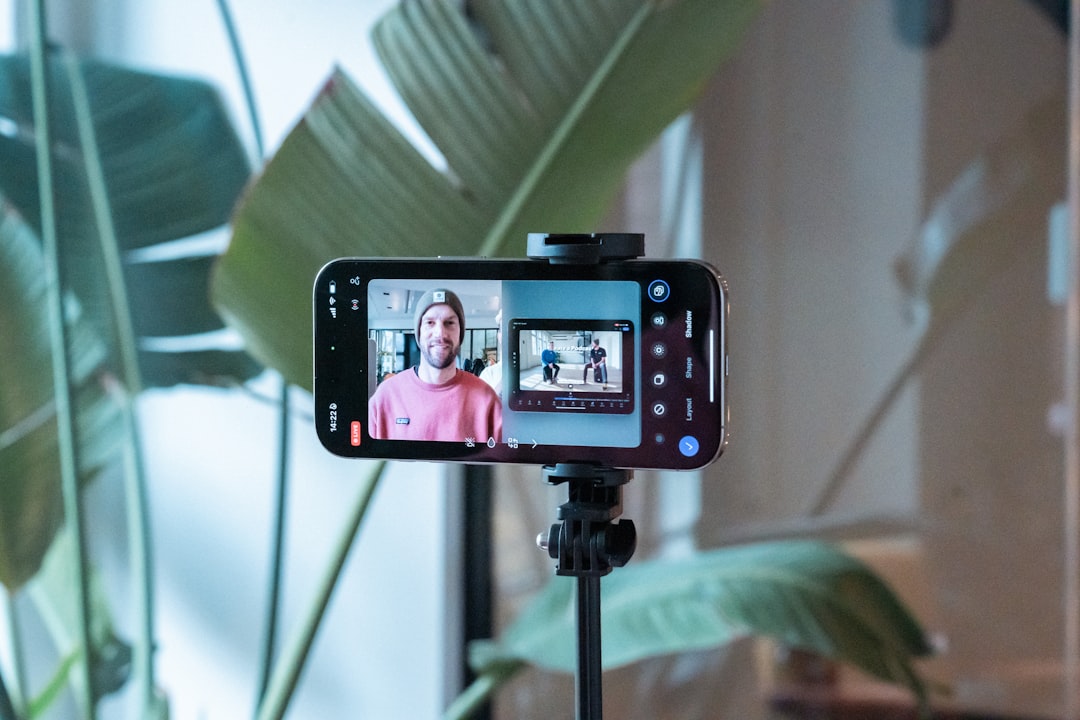
The best video websites like YouTube are Vimeo for polished publishing, Twitch for live streaming, TikTok for reach, Wistia for business hosting, and Uscreen for paid video memberships. No single platform replaces YouTube for every creator. The smart move is to match the site to the goal: audience growth, private hosting, live chat, course sales, brand safety, or direct subscriptions.
TLDR: Creators who want broad discovery should test TikTok, Facebook Video, Dailymotion, and Rumble, while brands and educators often get better control from Vimeo, Wistia, SproutVideo, or Uscreen. For example, a fitness coach with 50 paid members at $12 per month can earn $600 monthly on a membership platform before fees, without waiting for ad revenue. Streamers should compare Twitch and Kick for live audience tools, while businesses should avoid ad-heavy platforms when a clean viewer experience matters.
Best YouTube Alternatives by Use Case
YouTube is huge, but it is not always friendly. Revenue rules change. Copyright claims can be messy. Video recommendations may place a careful brand beside strange content. It drives creators a little mad when a simple upload needs extra checks, thumbnails, tags, shorts, captions, and policy reviews before it feels safe to publish.
The better choice depends on what the video is meant to do. A musician chasing fans needs reach. A software company needs clean embeds and analytics. A teacher needs paywalls. A gamer needs live chat and donations.

1. Vimeo: Best for Professional Publishing
Vimeo suits filmmakers, agencies, educators, and businesses that care about presentation. Videos look clean, embeds feel polished, and there are fewer distractions than on YouTube. It supports privacy controls, password protection, review pages, and team workflows.
Best for: portfolios, client previews, course videos, product demos, and brand films.
Monetization options depend on the plan and setup. Vimeo can support video on demand, subscriptions, and rentals. It is not the best place for viral discovery, though. A creator normally needs an existing audience or a strong website to send traffic there.
2. Twitch: Best for Live Streaming Communities
Twitch remains one of the strongest YouTube alternatives for live content. It works well for gaming, music, podcasts, art, live shopping, and creator chats. Its strength is community. Viewers use chat, emotes, subscriptions, bits, raids, and channel points to feel involved.
Best for: streamers who go live often and want repeat viewers.
The catch is that Twitch discovery can be rough for new streamers. A channel with three viewers can sit buried beneath larger channels for hours. Still, for creators who stream on a schedule, Twitch gives them a familiar system for memberships and fan support.
3. TikTok: Best for Short Video Reach
TikTok is not a classic YouTube replacement, but it is one of the best video websites for fast discovery. Short clips can reach thousands of strangers without a large follower base. That makes it useful for creators testing hooks, product clips, recipes, comedy, fitness tips, and behind the scenes content.
Best for: creators who can explain, entertain, or surprise people in under a minute.
Monetization includes creator programs, brand deals, affiliate links, shop features, and traffic sent to other platforms. The downside is short attention span. A video may get 80,000 views and still send only a small slice of viewers to a newsletter, store, or paid community.
4. Wistia: Best for Business Video Hosting
Wistia is built for companies, not casual creators. It offers branded players, lead capture forms, heatmaps, viewer analytics, calls to action, and clean website embeds. Sales teams and marketers like it because they can see how much of a video prospects watched.
Best for: SaaS demos, webinars, sales videos, landing pages, and customer education.
Wistia is not made for public discovery. Nobody browses Wistia the way people browse YouTube. That is not a flaw if the goal is conversion. It is a problem if the goal is fame.

5. Dailymotion: Best General YouTube Style Alternative
Dailymotion feels closer to old-school YouTube than many competitors. It supports channels, public uploads, embedded videos, and broad content categories. Publishers, news outlets, sports pages, and entertainment brands use it to reach extra viewers outside YouTube.
Best for: general publishing, syndicated content, news clips, and entertainment videos.
Its audience is smaller than YouTube’s, so expectations should stay realistic. Still, creators who already produce regular content may use Dailymotion as a second distribution channel with little extra effort.
6. Rumble: Best for Independent Commentary and Parallel Publishing
Rumble attracts creators who want fewer content restrictions and an alternative to mainstream video platforms. It is popular for commentary, interviews, news reactions, and political content. It also offers monetization options through ads, licensing, subscriptions, and creator programs.
Best for: commentary creators, independent media, and publishers who want another revenue source.
Rumble can be useful as a backup platform. If a creator’s YouTube channel faces demonetization or limited reach, an active Rumble channel can protect some audience access.
7. Uscreen: Best for Paid Video Memberships
Uscreen helps creators build a paid video site or app. It works well for fitness instructors, coaches, educators, yoga teachers, cooking creators, and niche media brands. Instead of depending on ads, creators can sell subscriptions, rentals, bundles, and paid communities.
Best for: creators with loyal fans who will pay for premium content.
This model can beat ad revenue quickly. A channel may need hundreds of thousands of ad-supported views to earn what 100 members at $15 per month can produce. The hard part is marketing. Uscreen provides the storefront and video system, but creators still need to bring the audience.
8. Odysee and PeerTube: Best for Decentralized Video
Odysee and PeerTube appeal to creators who care about open networks, ownership, and fewer central controls. Odysee uses blockchain-based publishing features, while PeerTube is open source and federated. That means different servers can host different communities.
Best for: tech creators, open web supporters, educators, and niche communities.
These sites are less polished than major platforms. Expect smaller audiences and more setup friction. Still, they offer useful backup options for archives, public knowledge projects, and communities that dislike one-company control.
9. Facebook Video and Instagram Reels: Best for Social Sharing
Facebook Video works well for communities, local businesses, news pages, and older audience groups. Instagram Reels is better for visual brands, lifestyle creators, fashion, food, travel, and short educational clips.
Best for: creators who already have social followers.
These platforms reward native posting. A video usually performs better when uploaded directly instead of shared as an outside link. Honestly, it feels annoying to reformat the same clip for every app, but square, vertical, and captioned versions often perform better than one generic upload.

How to Choose the Right Video Website
- For reach: TikTok, Instagram Reels, Facebook Video, Dailymotion, and YouTube Shorts style platforms.
- For live streaming: Twitch, Kick, Facebook Live, and Vimeo live plans.
- For business hosting: Wistia, Vimeo, Brightcove, and SproutVideo.
- For paid memberships: Uscreen, Vimeo OTT features, Patreon video posts, and private course platforms.
- For backup publishing: Rumble, Odysee, Dailymotion, and PeerTube.
Creators should also compare storage limits, fees, payout rules, copyright systems, embed options, analytics, privacy tools, and audience behavior. A cooking creator may need vertical reach on TikTok and paid lessons on Uscreen. A B2B software company may need Wistia for demos and LinkedIn for clips. A podcaster may publish full episodes on Vimeo, clips on Instagram, and live sessions on Twitch.
FAQ
What is the best overall alternative to YouTube?
Vimeo is often the best overall choice for polished publishing, while TikTok is stronger for quick discovery. For live content, Twitch is usually the better fit.
Which video website is best for monetization?
Uscreen is strong for subscriptions and paid libraries. Twitch works well for live donations and memberships. Rumble and Dailymotion can support ad-based publishing.
Which platform is best for businesses?
Wistia is excellent for marketing analytics and branded embeds. Vimeo is also a strong choice for client videos, training content, and private sharing.
Is TikTok a real YouTube alternative?
Yes, but mainly for short videos. It is better for reach and trend-based content than long tutorials, full reviews, or organized video libraries.
Should creators publish on more than one video website?
Yes. Many creators use one platform for discovery, one for hosting, and one for paid content. This reduces risk and gives each video a better job.
Leave a Reply