
Expanding a Shopify store into new markets is no longer limited to large retailers with dedicated localization teams. A well-chosen automatic translation app can help merchants present products, policies, checkout content, and marketing pages in multiple languages with far less manual effort. However, translation quality, SEO support, workflow control, and compatibility with Shopify markets can vary significantly between apps.
TLDR: The best automatic translation apps for Shopify multilingual stores are those that combine reliable machine translation with strong editing tools, SEO features, and compatibility with Shopify Markets. Transcy, Weglot, LangShop, T Lab, and Translate & Adapt are among the most practical options for different business sizes and needs. For serious international growth, choose an app that supports URL translation, hreflang tags, image localization, and human review workflows.
Why automatic translation matters for Shopify stores
International shoppers are more likely to browse, trust, and buy from a store that speaks their language. Product descriptions, delivery information, return policies, and checkout instructions all affect purchasing confidence. Even if customers can understand English, localized content often feels more credible and convenient.
Automatic translation apps make this process faster by translating storefront content with machine translation engines. In many cases, they can translate products, collections, menus, blogs, reviews, and metadata in minutes. The best apps also allow merchants to manually edit important copy, so high-value pages can be refined for accuracy and tone.

What to look for in a Shopify translation app
Before choosing an app, it is important to evaluate more than the number of supported languages. A serious multilingual setup should include both technical SEO and content management features.
- Translation quality: Look for apps using trusted machine translation providers and offering manual editing.
- SEO support: The app should translate meta titles, meta descriptions, URLs where possible, and support hreflang tags.
- Shopify Markets compatibility: This is essential if you sell in different regions with localized domains, currencies, and catalogs.
- Glossary or terminology control: Brand names, product terms, and technical phrases should remain consistent.
- Theme and third-party app translation: Navigation, pop-ups, review widgets, and custom sections may also need localization.
- Scalability: A small catalog may be simple to translate, but larger stores need automation, bulk editing, and reliable syncing.
1. Weglot
Weglot is one of the most established translation solutions for Shopify. It is known for quick setup, a clean interface, and strong multilingual SEO. Once installed, Weglot detects store content and automatically translates it into selected languages. Merchants can then review and edit translations from a central dashboard.
One of Weglot’s strongest advantages is its SEO structure. It creates language-specific URLs, adds hreflang tags, and translates metadata, helping search engines understand which language version to show to each audience. This makes it a strong choice for stores that want international organic traffic.
Best for: merchants who want a polished, mature translation system with reliable SEO support.
Potential drawback: pricing can become more expensive as word count and language requirements increase.
2. Transcy
Transcy is a popular Shopify app that combines translation and currency conversion features. It is especially attractive for merchants who want to localize the shopping experience beyond language alone. The app supports automatic translation for store content and includes tools for language switchers, currency display, and localization customization.
Transcy is useful for stores targeting multiple countries because it helps align language and currency presentation. It can translate product pages, collections, blogs, and other storefront elements, while also giving merchants control over visible language options.
Best for: growing Shopify stores that want both translation and currency localization in one app.
Potential drawback: stores with complex SEO requirements should carefully review whether its URL and metadata handling meet their expectations.

3. LangShop
LangShop is a comprehensive localization app designed for merchants who need detailed control over multilingual content. It supports automatic translation through multiple translation engines and provides editing options for products, collections, pages, blogs, checkout-related content, and more.
LangShop is particularly useful for merchants who want to combine automation with structured manual review. It also supports translation of dynamic content and can be suitable for stores with larger catalogs or more complex localization requirements.
Another advantage is its focus on SEO. LangShop can help translate metadata and manage multilingual store visibility, which is important for long-term international growth. For merchants who want more control than a basic translation app provides, it is a serious option.
Best for: medium to large Shopify stores that need advanced translation management.
Potential drawback: the feature set may feel more complex for beginners who only need a simple language switcher.
4. T Lab, AI Language Translate
T Lab is often chosen by Shopify merchants looking for a practical balance between functionality and affordability. It provides automatic AI translation, manual editing, and multilingual SEO features. The app can translate many areas of the Shopify storefront, including products, collections, pages, blogs, and theme text.
For smaller and mid-sized stores, T Lab can be a cost-effective way to launch multilingual versions without committing to a high monthly expense. It also offers useful customization options for language selectors and translation management.
Best for: merchants who want an affordable automatic translation app with solid everyday features.
Potential drawback: very large or highly customized stores may need to test carefully for full compatibility with all theme and app elements.
5. Shopify Translate & Adapt
Shopify Translate & Adapt is Shopify’s own translation app. It integrates directly with Shopify Markets and provides a straightforward way to translate store content. It allows merchants to add manual translations and also offers automatic translation for supported languages.
The main benefit is that it fits naturally into the Shopify ecosystem. For merchants already using Shopify Markets, it can be a sensible first step. It is also a good option for stores that prefer a native solution without extra complexity.
However, Shopify Translate & Adapt may not offer the same depth of automation, workflow tools, or advanced third-party content handling as some specialized apps. For basic multilingual needs, it can work well; for aggressive international SEO campaigns, a more advanced app may be preferable.
Best for: Shopify merchants who want a native, simple, and integrated translation solution.
Potential drawback: fewer advanced localization features compared with dedicated multilingual platforms.
How to choose the right app for your store
The best app depends on your catalog size, target markets, and growth strategy. A small boutique selling to two additional countries may not need the same system as a large store with thousands of SKUs and several regional domains.
- For international SEO: consider Weglot or LangShop because of their strong focus on search-friendly multilingual structure.
- For combined language and currency localization: Transcy may be a practical choice.
- For affordability and good core features: T Lab is worth reviewing.
- For native Shopify simplicity: Shopify Translate & Adapt is a good starting point.
It is also wise to test any app before fully committing. Check how it translates your theme, product variants, filters, checkout-related text, and third-party widgets. Review page speed impact, language switcher design, and whether translated pages are indexable by search engines.
Best practices for automatic translation
Automatic translation is powerful, but it should not be treated as a complete replacement for human judgment. Important pages should be reviewed carefully, especially homepages, best-selling products, advertising landing pages, legal policies, and email templates.
Use a glossary to protect brand terms and product names. Avoid overly idiomatic source text, because simple and clear writing usually translates more accurately. If possible, ask native speakers or professional translators to review high-traffic pages before launching paid campaigns in a new market.
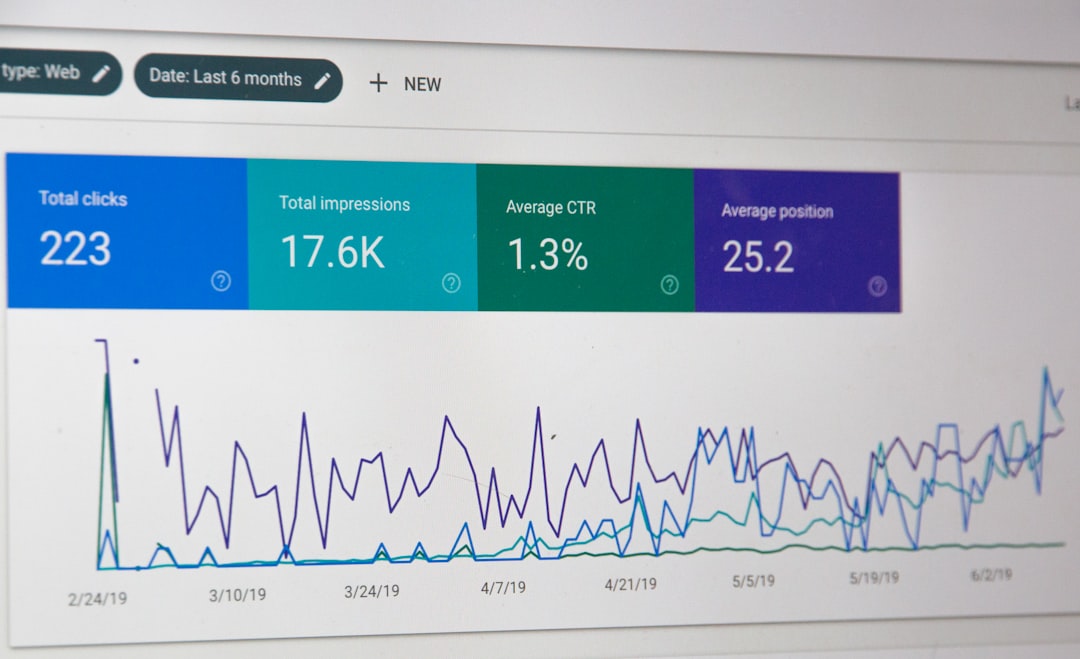
Merchants should also monitor analytics after launch. If a translated market receives traffic but has poor conversion rates, the issue may be unclear product copy, untranslated trust signals, confusing shipping information, or cultural mismatch. Translation is one part of localization, not the whole process.
Final recommendation
For most Shopify merchants, the strongest automatic translation apps are Weglot, Transcy, LangShop, T Lab, and Shopify Translate & Adapt. Each has a different strength: Weglot is excellent for polished multilingual SEO, Transcy is practical for language and currency localization, LangShop offers advanced control, T Lab provides value, and Shopify’s native app keeps things simple.
The safest approach is to start with your business goal. If you want to test a new region, a simpler solution may be enough. If multilingual SEO and long-term international revenue are priorities, invest in an app with stronger URL structures, metadata translation, hreflang support, and review workflows. A trustworthy multilingual Shopify store is not only translated; it is clear, consistent, and localized for the customer’s full buying journey.
Leave a Reply