
For event professionals, venue owners, and side hustlers exploring the photo booth business, Salsa Photo Booth is one of the most recognizable iPad-based booth systems on the market. It is designed to be portable, stylish, and simple enough for attendants to operate with minimal training, while still offering features that clients expect at weddings, corporate activations, parties, and branded events.
TLDR: Salsa Photo Booth is a sleek, iPad-powered photo booth solution known for its portability, attractive design, and easy event workflow. Pricing typically depends on the package, hardware, software plan, accessories, and financing options, so buyers should request current pricing before committing. Its strongest features include digital sharing, custom overlays, GIFs, boomerangs, surveys, analytics, and branding tools. Customer reviews are generally positive, especially around ease of use and presentation, though some users note that software costs, iPad dependency, and accessory needs should be factored into the total investment.
What Is Salsa Photo Booth?
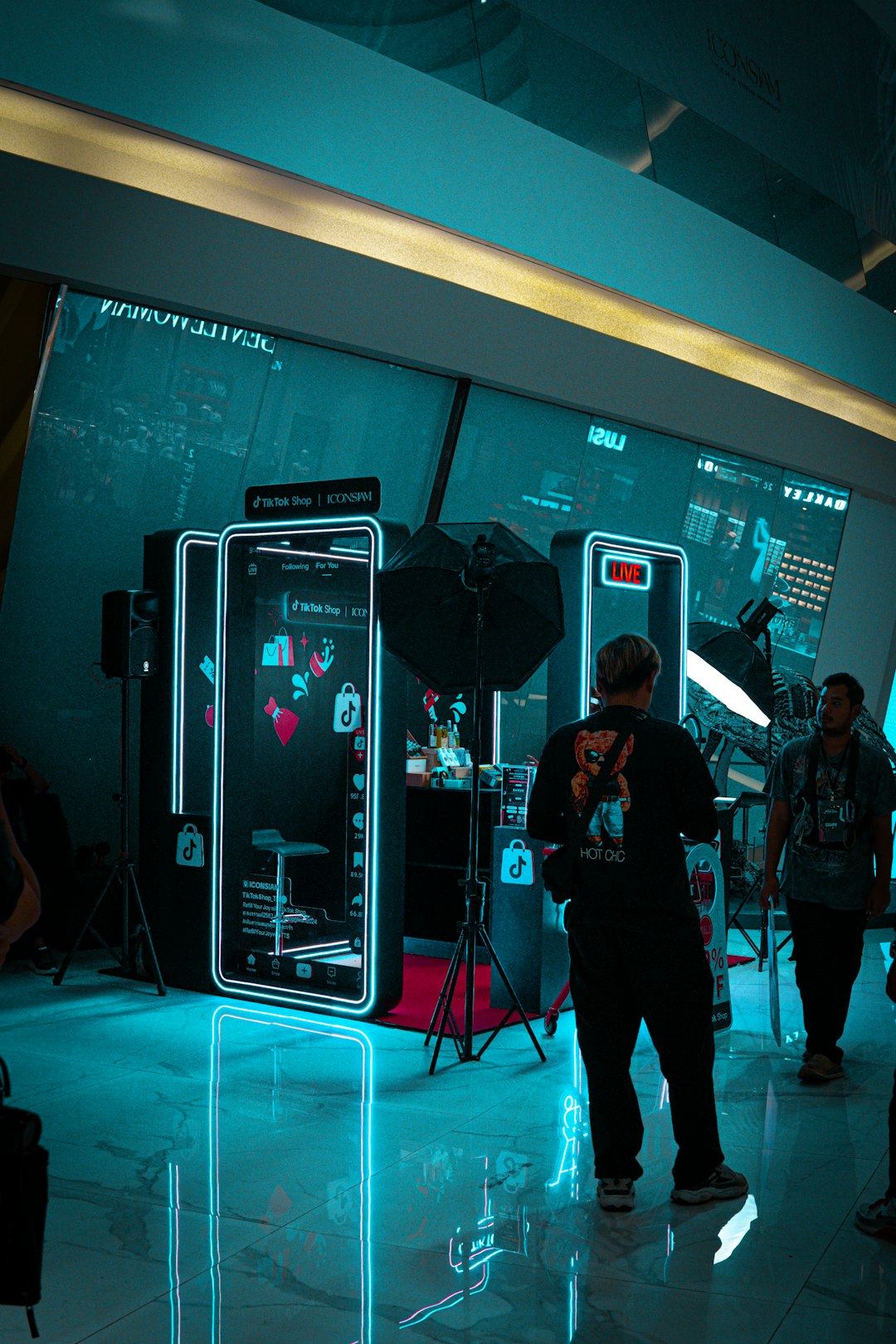
Salsa Photo Booth is a modern photo booth system built around an iPad and a professionally designed booth shell. Unlike bulky traditional booths, Salsa is made to be lightweight, quick to assemble, and visually appealing at upscale events. It is commonly used by photo booth rental companies, DJs, wedding vendors, marketing agencies, venues, and entrepreneurs who want to offer interactive event experiences.
The booth is especially popular because it balances form and function. It looks polished enough for high-end weddings and corporate gatherings, but the setup process is straightforward. Most operators can transport it in a compact case, set it up in minutes, and run events using guided software workflows.

Salsa Photo Booth Pricing: What to Expect
One of the first questions potential buyers ask is: How much does Salsa Photo Booth cost? The answer can vary because pricing may depend on the package, available promotions, software subscription, accessories, and whether you purchase outright or use financing.
In general, buyers should think about Salsa pricing in several categories:
- Hardware cost: This includes the booth body, stand, lighting, and related physical components.
- Software cost: Salsa typically works with dedicated photo booth software that may require a recurring subscription.
- iPad cost: Depending on the package, you may need to provide or purchase a compatible iPad separately.
- Accessories: Printers, backdrops, cases, props, batteries, and lighting upgrades may increase the total cost.
- Financing: Some buyers choose monthly payments rather than paying the full amount upfront.
Because pricing can change over time, it is best to treat published figures from older reviews or forum posts as estimates rather than guarantees. The safest approach is to request a current quote from the provider and compare it with the full list of required add-ons. A lower starting price may not include everything you need for paid events, while a more complete bundle may be more expensive upfront but easier to launch with confidence.
Understanding the Total Investment
When evaluating Salsa Photo Booth pricing, focus on the total cost of ownership, not just the sticker price. For example, if you plan to offer print packages, you will need a professional dye-sublimation printer, media supplies, a table or printer stand, and possibly extra power equipment. If your events are mostly digital, you may not need a printer at first, but you will still need reliable internet or a workflow for offline capture and later delivery.
Other common expenses include:
- Insurance: Many venues require vendors to carry liability insurance.
- Transportation: A durable carrying case or cart can protect the booth and speed up load-in.
- Backdrops: Premium backdrops can help you charge more for wedding and corporate packages.
- Marketing: A website, sample galleries, ads, and social media content can help attract bookings.
- Maintenance: Replacement cables, lighting parts, mounts, and cleaning supplies should be budgeted.
For a business owner, Salsa is not just a product purchase; it is an event service asset. The booth can potentially pay for itself through bookings, but profitability depends on your market, pricing strategy, sales process, and how often you can rent it out.
Key Features of Salsa Photo Booth
Salsa’s appeal comes from its combination of event-friendly design and flexible software capabilities. While exact features may depend on your subscription or version, the platform is generally known for a strong set of digital photo booth tools.
1. Stylish, Portable Design
The booth has a clean, modern appearance that fits well into professional environments. This matters more than some new operators realize. At a wedding, gala, product launch, or luxury venue, aesthetics can influence whether planners and clients see your booth as premium or ordinary.
The portability is another major advantage. A compact setup means easier transport, quicker installation, and fewer staffing complications. For solo operators or small teams, this can be a major selling point.
2. iPad-Based Operation
Salsa is designed to work with an iPad, making the user interface familiar and intuitive. Guests can tap through prompts, preview images, enter contact information, and send their captures digitally. For operators, an iPad-based system can reduce technical complexity compared with larger DSLR or computer-based booths.
However, the iPad-based model also means you should pay close attention to device compatibility, storage, battery life, and software requirements. A reliable iPad is essential, and it is wise to test your setup before every event.
3. Photo, GIF, and Boomerang Experiences
Modern guests expect more than a still photo. Salsa supports engaging formats such as photos, GIFs, and boomerang-style clips, giving users more reasons to interact with the booth and share their results. These formats work especially well at parties, brand activations, school events, and corporate gatherings.
4. Custom Overlays and Branding
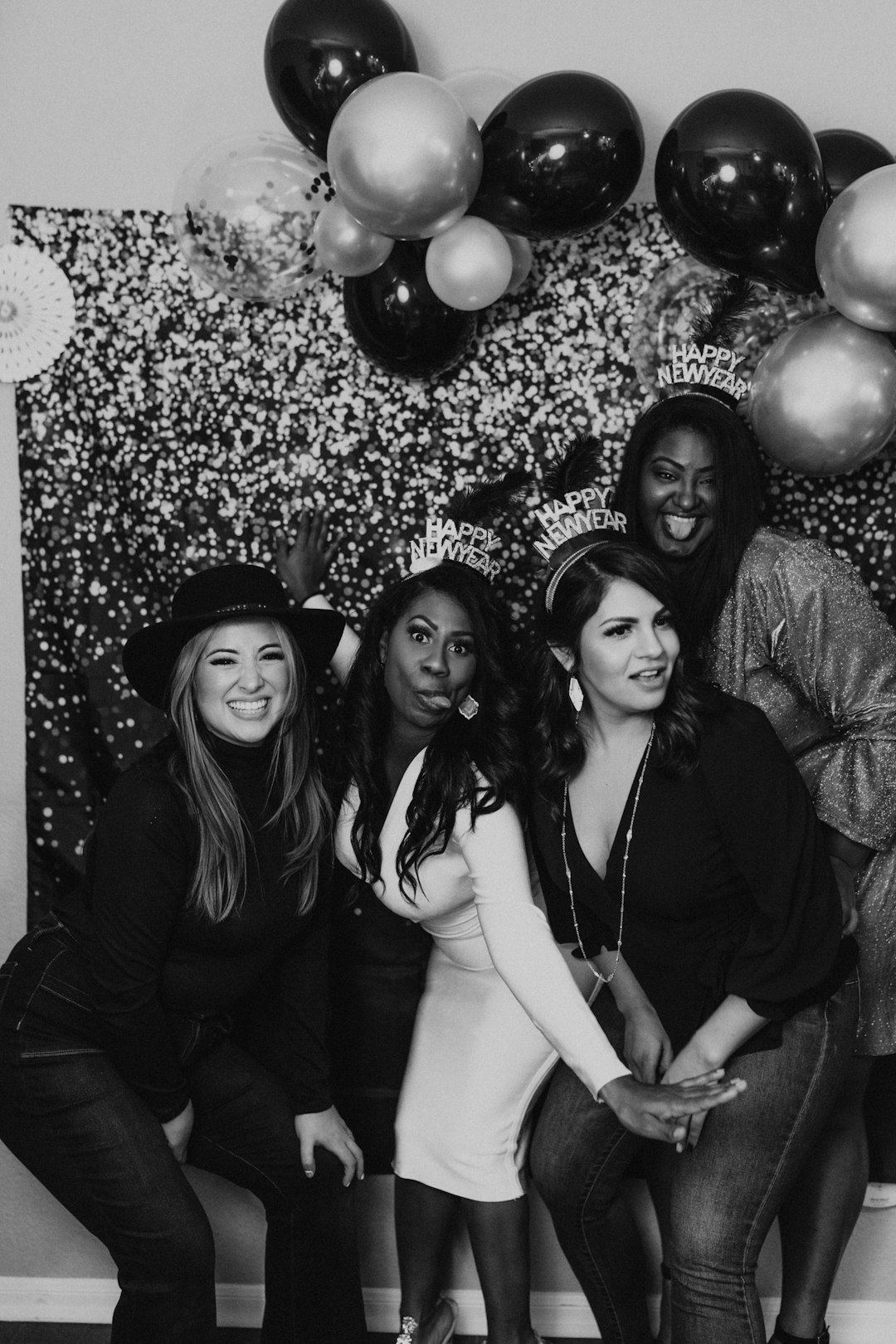
One of the strongest business advantages of Salsa Photo Booth is its ability to support custom event branding. Operators can create overlays, start screens, and visual designs that match the client’s theme. For weddings, that might mean names, dates, florals, or monograms. For corporate events, it may include logos, slogans, campaign colors, or sponsor messaging.
This branding capability helps photo booth businesses offer higher-value packages. A client is often willing to pay more when the booth experience feels tailored rather than generic.
5. Digital Sharing
Salsa’s digital sharing tools allow guests to send their captures by text, email, or other supported methods. This is a key feature because it extends the event experience beyond the venue. When guests share images online, the booth can generate organic exposure for the event, the brand, and sometimes your photo booth business as well.
For corporate clients, digital sharing can be particularly valuable because it turns attendees into brand amplifiers. For private events, it gives guests instant keepsakes without requiring prints.
6. Data Capture and Analytics
For marketing events, Salsa can be used to collect information such as names, emails, survey responses, or opt-ins, depending on the setup and applicable privacy rules. This makes the booth more than entertainment; it becomes a lead generation and engagement tool.
Analytics may help clients understand how many sessions were completed, how many shares occurred, and how guests interacted with the activation. If you serve corporate clients, these reporting capabilities can help justify premium rates.
Customer Reviews: What Users Like
Customer reviews for Salsa Photo Booth are often positive, especially from operators who value ease of use, attractive hardware, and a polished guest experience. Many users appreciate that the booth looks professional without requiring a large footprint. This is particularly useful in venues where space is limited.
Common positive themes include:
- Easy setup: Operators often mention that the booth can be assembled quickly.
- Professional appearance: The clean design helps it blend into weddings and corporate events.
- User-friendly software: Guests can usually navigate the experience without much assistance.
- Strong sharing features: Digital delivery is convenient and popular with guests.
- Good business potential: Many owners see it as a practical entry point into photo booth rentals.
Reviewers also tend to like the booth’s ability to support different event types. A single Salsa booth can be used for weddings one weekend, a corporate event the next, and a birthday party after that. This versatility is important for operators who want to maximize bookings.
Customer Complaints and Considerations
No photo booth system is perfect, and Salsa is no exception. Some customer reviews and operator discussions point out that buyers should understand the ongoing costs and limitations before purchasing.
Common concerns include:
- Software subscription costs: Recurring fees can affect profit margins, especially for part-time operators.
- Accessory expenses: A complete professional setup may require more than the base booth.
- iPad limitations: Camera quality, lighting, and device compatibility matter.
- Internet dependency: Digital sharing works best with a reliable connection.
- Learning curve: While the system is simple, operators still need to master templates, event setup, and troubleshooting.
These issues are not necessarily deal breakers. Rather, they are reminders to plan realistically. A successful photo booth business depends on preparation, backups, and clear client expectations.
Is Salsa Photo Booth Worth It?
For many buyers, Salsa Photo Booth can be worth the investment if they plan to book events consistently and position the service professionally. Its sleek design and digital features make it appealing in a market where clients want interactive, shareable experiences. It is especially attractive for operators who prefer a lightweight, iPad-based booth instead of a heavier DSLR setup.
That said, it may not be the best fit for everyone. If your business model depends heavily on ultra-high-resolution photography, complex studio lighting, or advanced camera control, you may want to compare Salsa with DSLR-based systems. If you are working with a very small budget, you should carefully calculate whether the hardware, software, insurance, and accessories make sense for your expected booking volume.
Tips Before Buying Salsa Photo Booth
Before committing, take time to evaluate your goals and market. A booth that works beautifully for one operator may not be the right choice for another.
- Request current pricing: Confirm what is included and what costs extra.
- Check iPad compatibility: Make sure your device works with the latest software requirements.
- Estimate monthly expenses: Include software, insurance, advertising, and supplies.
- Research local rates: See what competitors charge for similar services.
- Create sample experiences: Test overlays, sharing, lighting, and guest flow before your first paid event.
- Have backups: Bring charging cables, extension cords, hotspot options, and spare parts when possible.
Final Thoughts
Salsa Photo Booth has earned its place as a popular choice for modern event entertainment because it is attractive, portable, and feature-rich. Its pricing should be viewed as a complete business investment rather than a single equipment purchase. When paired with strong branding, good customer service, and effective marketing, it can become a profitable addition to an event business.
Customer reviews suggest that Salsa performs best for operators who want a streamlined digital booth with a premium look and simple workflow. As long as you account for software fees, accessories, and ongoing business costs, Salsa Photo Booth can be a compelling option for weddings, parties, corporate activations, and branded experiences.
Leave a Reply